Local Installers vs Remote Contractors for Better After-Fit Support
Choosing a **local air con installation company** can provide useful benefits beyond installation day. Ongoing support, servicing and familiarity with the original system may make future maintenance and fault diagnosis more straightforward. This guide explains what to consider when comparing installers and their aftercare services.

Why you can trust our content
Our team is fully trained, qualified and highly experienced in the air conditioning industry.

At a glance
Does choosing a local air conditioning installer make a difference?
When buying air conditioning, most homeowners naturally concentrate on the equipment and installation price. Yet there is another part of the decision that can become important after the system has been fitted: ongoing support.
Air conditioning is not a one-day purchase. Filters need cleaning, systems may require servicing and occasional faults can occur. If a problem develops, having an installer who understands the original installation and can provide practical after-fit support can be useful.
This is one reason some homeowners prefer a local air con installation company rather than choosing a contractor based solely on price or availability.
Local does not automatically mean better, and a remote contractor is not automatically unsuitable. The important question is what level of installation knowledge, communication and aftercare each option provides.
If you are considering air conditioning for your home, JK Cooling Solutions can discuss the installation requirements and explain what support is available after the system has been fitted. Contact the team for tailored guidance.
What should you expect from an air conditioning installer after installation?
A professional installation should not necessarily be viewed as the end of the relationship.
Once the system is operational, homeowners may need guidance on:
The installer should also have a record of the equipment and installation where appropriate. This information can make future servicing and fault diagnosis more straightforward.
A good handover gives the homeowner confidence about how to use and look after the system.
Why can local knowledge help with after-fit support?
A local installer is generally familiar with the properties, access conditions and installation requirements found within the area they serve.
This does not mean every local contractor provides the same standard of work. However, being geographically closer can make communication and follow-up visits more practical.
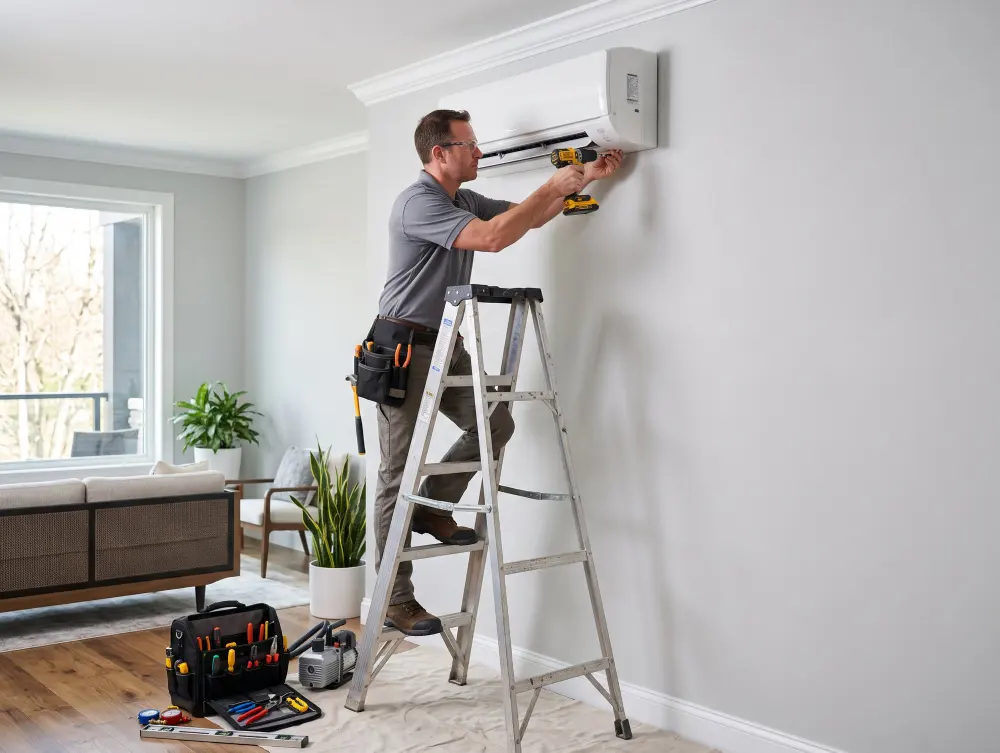
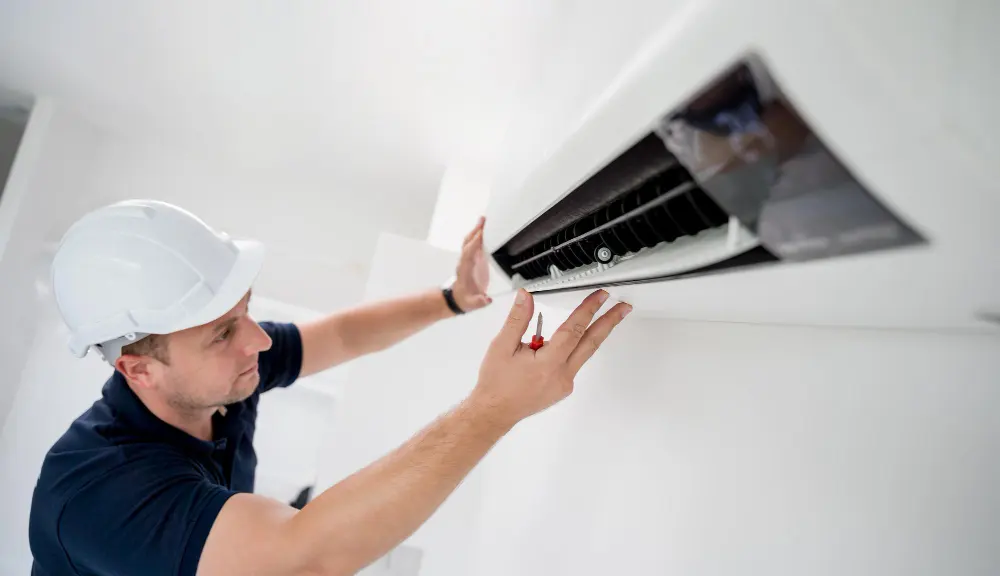
For example, if a homeowner notices an unusual issue shortly after installation, they may value having a contractor who can assess the system rather than having to deal with a company based much further away.
For anyone searching for a local air con installation company, it is worth considering what happens after the installation as well as what happens on installation day.
Does location affect response times?
Potentially, although response times depend on the individual company and workload.
A contractor covering a large geographical area may have longer travel distances between appointments. A local business may have a smaller service area, making certain follow-up visits more straightforward.
However, homeowners should not assume that proximity guarantees immediate availability.
Before booking, ask:
- What areas do you cover?
- Do you provide servicing after installation?
- How are faults handled?
- Is there a standard process for warranty issues?
- Who should I contact if I have a problem?
Clear answers are more useful than simply knowing that an installer is nearby.
Why does knowing the original installation matter?
Air conditioning systems can develop issues for many reasons. Some are related to maintenance, while others may involve drainage, controls, electrical connections or the equipment itself.
An installer who completed the original work already knows how the system was positioned and routed.
This can be helpful when investigating:
A contractor who understands the original installation may be able to approach a problem more efficiently than someone seeing the system for the first time.
What should you check before choosing an air conditioning company?
The best way to compare an air con installation company is to look beyond the initial quote.
Consider the following:
| Area to compare | Questions to ask |
| Installation | Who will carry out the work? |
| Equipment | What make and model is proposed? |
| Pipework | How will services be routed? |
| Drainage | Where will condensate go? |
| Finishing | How will visible trunking be handled? |
| Maintenance | Is servicing available? |
| Aftercare | Who handles faults or questions? |
| Warranty | How are warranty issues managed? |
| Location | How practical are follow-up visits? |
This creates a much clearer picture of the overall service.
A contractor who communicates clearly before installation is more likely to give you a useful understanding of what to expect afterwards.
What type of property do you have?


Semi-Detached

Detached

Terraced

Bungalow

Flat

Commercial or Small Office
It just takes 60 Seconds
And then you can book a free consultation
When comparing an air con installation company, ask specifically about after-fit support. JK Cooling Solutions can explain the installation, maintenance and support options available so you can make an informed decision.
Is a remote contractor always a poor choice?
No. A remote contractor may still provide an excellent installation and reliable aftercare.
The issue is not simply distance. It is whether the contractor can provide the level of support the property requires.
A larger contractor may have wider resources, specialist teams or established service arrangements. On the other hand, a smaller local installer may offer direct communication and continuity between installation and servicing.
The homeowner should compare the actual service rather than making assumptions based solely on company size.
How can local installers provide continuity?
Continuity can be particularly useful when the same company handles installation and subsequent servicing.
The installer may already know:
This information can reduce the need to rediscover the installation details during future visits.
It can also make routine maintenance more familiar.
What should happen during an AC handover?
A proper handover should leave the homeowner comfortable with the basic operation of the system.
The installer can explain:
The homeowner should also know where to find relevant equipment information and warranty documentation.
This simple process can prevent confusion after the installation team has left.
A typical local installation scenario
Imagine a homeowner in Eltham has a split system installed in a bedroom. Several months later, they notice that the unit is not draining as expected.
Because the original installer knows the pipework route and drainage arrangement, they can assess the installation with the original design in mind. If a maintenance issue is identified, the homeowner does not have to explain the entire installation from scratch.
This does not mean every drainage problem requires the original installer. It simply illustrates the practical value of continuity when follow-up work is needed.
How can you judge aftercare before booking?
Do not wait until there is a problem to find out how support works.
Before accepting a quotation, ask the installer:
These questions can help establish whether the company views installation as a complete service rather than a one-off transaction.
A reputable local air con installation company should be comfortable discussing aftercare before you commit.
What does good local support look like?
Good support is about more than being geographically close.
It should involve clear communication, realistic expectations and a practical process for dealing with maintenance or faults.
A strong after-fit service can include:
These factors can become especially valuable as the system gets older.
Related articles
What type of property do you have?
Semi-Detached
Detached
Terraced
Bungalow
Flat
Commercial or Small Office
At a glance
Does choosing a local air conditioning installer make a difference?
When buying air conditioning, most homeowners naturally concentrate on the equipment and installation price. Yet there is another part of the decision that can become important after the system has been fitted: ongoing support.
Air conditioning is not a one-day purchase. Filters need cleaning, systems may require servicing and occasional faults can occur. If a problem develops, having an installer who understands the original installation and can provide practical after-fit support can be useful.
This is one reason some homeowners prefer a local air con installation company rather than choosing a contractor based solely on price or availability.
Local does not automatically mean better, and a remote contractor is not automatically unsuitable. The important question is what level of installation knowledge, communication and aftercare each option provides.
If you are considering air conditioning for your home, JK Cooling Solutions can discuss the installation requirements and explain what support is available after the system has been fitted. Contact the team for tailored guidance.
What should you expect from an air conditioning installer after installation?
A professional installation should not necessarily be viewed as the end of the relationship.
Once the system is operational, homeowners may need guidance on:
The installer should also have a record of the equipment and installation where appropriate. This information can make future servicing and fault diagnosis more straightforward.
A good handover gives the homeowner confidence about how to use and look after the system.
Why can local knowledge help with after-fit support?
A local installer is generally familiar with the properties, access conditions and installation requirements found within the area they serve.
This does not mean every local contractor provides the same standard of work. However, being geographically closer can make communication and follow-up visits more practical.
For example, if a homeowner notices an unusual issue shortly after installation, they may value having a contractor who can assess the system rather than having to deal with a company based much further away.
For anyone searching for a local air con installation company, it is worth considering what happens after the installation as well as what happens on installation day.
Does location affect response times?
Potentially, although response times depend on the individual company and workload.
A contractor covering a large geographical area may have longer travel distances between appointments. A local business may have a smaller service area, making certain follow-up visits more straightforward.
However, homeowners should not assume that proximity guarantees immediate availability.
Before booking, ask:
- What areas do you cover?
- Do you provide servicing after installation?
- How are faults handled?
- Is there a standard process for warranty issues?
- Who should I contact if I have a problem?
Clear answers are more useful than simply knowing that an installer is nearby.
Why does knowing the original installation matter?
Air conditioning systems can develop issues for many reasons. Some are related to maintenance, while others may involve drainage, controls, electrical connections or the equipment itself.
An installer who completed the original work already knows how the system was positioned and routed.
This can be helpful when investigating:
A contractor who understands the original installation may be able to approach a problem more efficiently than someone seeing the system for the first time.
What should you check before choosing an air conditioning company?
The best way to compare an air con installation company is to look beyond the initial quote.
Consider the following:
| Area to compare | Questions to ask |
| Installation | Who will carry out the work? |
| Equipment | What make and model is proposed? |
| Pipework | How will services be routed? |
| Drainage | Where will condensate go? |
| Finishing | How will visible trunking be handled? |
| Maintenance | Is servicing available? |
| Aftercare | Who handles faults or questions? |
| Warranty | How are warranty issues managed? |
| Location | How practical are follow-up visits? |
This creates a much clearer picture of the overall service.
A contractor who communicates clearly before installation is more likely to give you a useful understanding of what to expect afterwards.
What type of property do you have?
Semi-Detached
Detached
Terraced
Bungalow
Flat
Commercial or Small Office
It just takes 60 Seconds
And then you can book a free consultation
When comparing an air con installation company, ask specifically about after-fit support. JK Cooling Solutions can explain the installation, maintenance and support options available so you can make an informed decision.
Is a remote contractor always a poor choice?
No. A remote contractor may still provide an excellent installation and reliable aftercare.
The issue is not simply distance. It is whether the contractor can provide the level of support the property requires.
A larger contractor may have wider resources, specialist teams or established service arrangements. On the other hand, a smaller local installer may offer direct communication and continuity between installation and servicing.
The homeowner should compare the actual service rather than making assumptions based solely on company size.
How can local installers provide continuity?
Continuity can be particularly useful when the same company handles installation and subsequent servicing.
The installer may already know:
This information can reduce the need to rediscover the installation details during future visits.
It can also make routine maintenance more familiar.
What should happen during an AC handover?
A proper handover should leave the homeowner comfortable with the basic operation of the system.
The installer can explain:
The homeowner should also know where to find relevant equipment information and warranty documentation.
This simple process can prevent confusion after the installation team has left.
A typical local installation scenario
Imagine a homeowner in Eltham has a split system installed in a bedroom. Several months later, they notice that the unit is not draining as expected.
Because the original installer knows the pipework route and drainage arrangement, they can assess the installation with the original design in mind. If a maintenance issue is identified, the homeowner does not have to explain the entire installation from scratch.
This does not mean every drainage problem requires the original installer. It simply illustrates the practical value of continuity when follow-up work is needed.
How can you judge aftercare before booking?
Do not wait until there is a problem to find out how support works.
Before accepting a quotation, ask the installer:
These questions can help establish whether the company views installation as a complete service rather than a one-off transaction.
A reputable local air con installation company should be comfortable discussing aftercare before you commit.
What does good local support look like?
Good support is about more than being geographically close.
It should involve clear communication, realistic expectations and a practical process for dealing with maintenance or faults.
A strong after-fit service can include:
These factors can become especially valuable as the system gets older.
Related articles
What type of property do you have?
Semi-Detached
Detached
Terraced
Bungalow
Flat
Commercial or Small Office