Split System Installers and the Details That Protect Performance
Choosing a split system involves more than selecting the right equipment. Proper positioning, pipework, drainage and installation planning can all affect the performance, appearance and long-term reliability of your air conditioning system.

Why you can trust our content
Our team is fully trained, qualified and highly experienced in the air conditioning industry.

At a glance
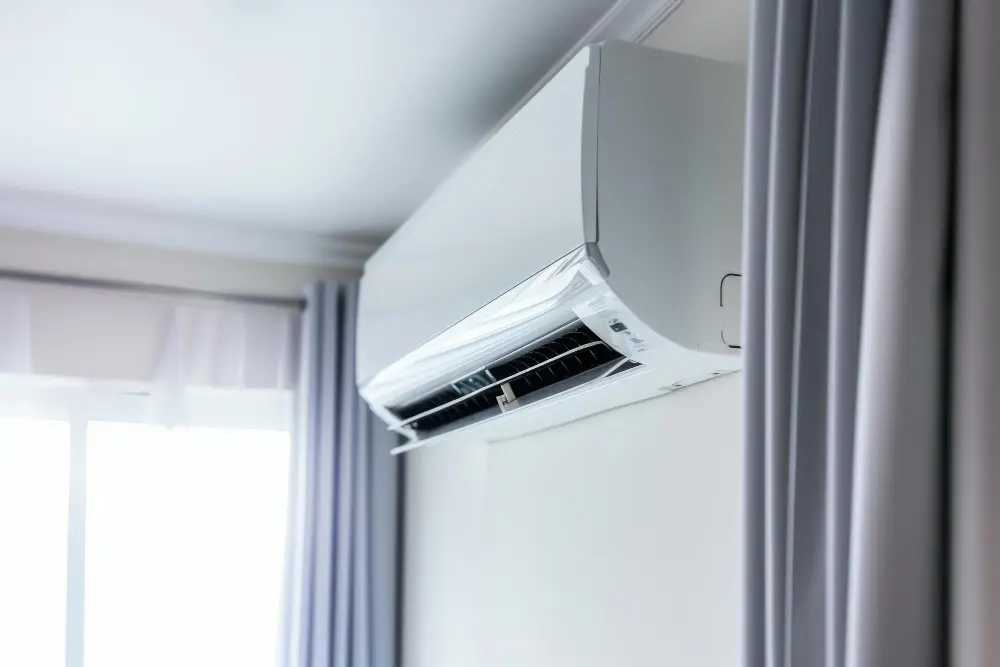
A split system can be an effective way to heat or cool an individual room or a defined area of a property. The basic arrangement is straightforward: an indoor unit connects to an outdoor unit through refrigerant pipework, electrical connections and, where required, condensate drainage.
What makes the installation more involved is the detail behind those connections. Pipework length, indoor and outdoor positioning, drainage, airflow, electrical requirements and service access all need to work together.
This means choosing an air con split system installer eltham should involve more than comparing equipment brands or headline prices. The installation method can have a significant influence on how practical and reliable the finished system is.
If you are considering a split system, JK Cooling Solutions can assess the property and explain the installation options available. Contact the team for practical advice before deciding on equipment or positioning.
How does a split system work?
A split air conditioning system separates the main components between an indoor and outdoor unit.
The indoor unit handles the air inside the room, while the outdoor unit contains components involved in transferring heat to or from the property. Refrigerant pipework connects the two units, while electrical and control connections allow the system to operate.
During cooling, heat is removed from the indoor air and transferred outside. In heating mode, a reverse cycle system can work in the opposite direction, moving heat from outside into the property.
For this process to work effectively, the installation needs to follow the manufacturer’s requirements and account for the physical characteristics of the building.
Which installation details can affect performance?
Several seemingly small decisions can influence how well a split system performs.
Indoor unit positioning
The indoor unit needs sufficient clearance and should be positioned to distribute conditioned air effectively. Furniture, doors, windows and room shape can all affect the choice.
Outdoor unit positioning
The outdoor unit needs appropriate airflow and access for servicing. It should not be squeezed into a location where surrounding walls or objects restrict its operation.
Refrigerant pipework
The route and length of the pipework need to be considered when positioning both units. Unnecessary bends or poorly planned routes can make installation more complicated.
Condensate drainage
Cooling produces moisture that needs to be removed safely. A suitable drainage route should be planned before the indoor unit is installed.
Electrical connection
The electrical requirements need to be assessed as part of the installation rather than treated as a separate afterthought.
A professional installer considers these factors together rather than solving each one independently.
Why does pipework routing matter?
The refrigerant pipework forms the connection between the indoor and outdoor units, so its route is an important part of the installation.
A direct route may appear preferable, but the shortest possible route is not always the most suitable. The installer also needs to consider wall construction, bends, access, appearance and drainage.
Where services are visible, trunking can protect the pipework and create a cleaner finish. The route should ideally follow a logical path rather than cutting awkwardly across a room.
For homeowners comparing an air con split system installer eltham, it is worth asking to see how the proposed pipework will be routed before agreeing to the installation.
(Link to related blog: How to Keep Air Conditioning Pipework Neat and Accessible)
How much does split system air conditioning cost?
The split system air conditioning cost eltham homeowners see can vary considerably because installation requirements differ from property to property.
Equipment capacity is one factor, but the final cost can also be influenced by:
| Cost consideration | Potential impact |
| System size | Larger capacity can require different equipment |
| Pipework length | Longer routes may require additional materials |
| Installation access | Difficult access can increase labour requirements |
| Drainage | Complex drainage may require additional components |
| Condensate pump | May be needed where gravity drainage is unsuitable |
| Trunking | Visible routes require suitable finishing materials |
| Electrical work | Existing electrical arrangements may affect installation |
| Building work | Concealed routes can involve additional preparation |
This is why online or advertised starting prices should be treated as a guide rather than a guaranteed final figure.
A proper site assessment gives a more realistic picture because the installer can evaluate the actual room, equipment position and service routes.
What should be included in a split system quotation?
A clear quotation should help you understand what the installation involves.
Ideally, it should cover:
- The make and model of the proposed system
- Cooling and heating capacity where applicable
- Indoor unit location
- Outdoor unit location
- Approximate pipework route
- Condensate drainage arrangements
- Electrical requirements
- Trunking or finishing
- Installation labour
- Any additional work that may be required
If two quotations appear very different in price, check whether they include comparable installation work.
A cheaper figure may exclude certain elements that another installer has already included.
What type of property do you have?


Semi-Detached

Detached

Terraced

Bungalow

Flat

Commercial or Small Office
It just takes 60 Seconds
And then you can book a free consultation
When reviewing the split system air conditioning cost eltham homeowners may encounter, ask what is actually included. JK Cooling Solutions can explain the practical elements of a quotation so you can compare options on a like-for-like basis.
Does installation quality affect energy efficiency?
It can. The equipment itself is designed to operate within specified installation conditions, and the installation needs to meet those requirements.
Correct positioning, suitable pipework installation, good airflow around the outdoor unit and appropriate drainage all contribute to a properly functioning system.
Poor installation does not automatically mean an air conditioner will consume excessive energy, but installation problems can contribute to reduced performance, unnecessary strain or faults.
This is one reason professional installation should be considered part of the system rather than a separate service added at the end.
Why is maintenance access important?
Every air conditioning system needs ongoing care. Filters need cleaning, the indoor unit may need inspection and the outdoor unit should remain accessible for appropriate servicing.
A system installed in an awkward location can be more difficult to maintain safely.
For example, placing an outdoor unit behind a permanent obstruction might make access to the controls and connections unnecessarily difficult. Similarly, installing an indoor unit in a very confined position can make routine cleaning more awkward.
Good planning should therefore consider what happens several years after installation, not just how the equipment looks on installation day.
What should you ask a split system installer?
You do not need specialist knowledge to have a useful conversation with an installer.
Ask:
- Why have you recommended this position?
- Where will the refrigerant pipework run?
- How will condensate be drained?
- Will any trunking be visible?
- How will the outdoor unit be accessed?
- What is included in the quotation?
- Are there any additional works that could affect the final price?
- How should the system be maintained?
An experienced air con split system installer eltham should be able to explain these points clearly without making the process unnecessarily complicated.
A typical split system installation scenario
Consider a typical Eltham semi-detached home where the homeowner wants a split system for a south-facing bedroom that becomes uncomfortable during warmer weather.
The most convenient indoor wall is not directly aligned with the preferred outdoor unit position. Instead of choosing the equipment location first and dealing with the pipework later, the installer assesses several possible routes.
The final design uses a practical pipework path with carefully positioned trunking, while the condensate is directed to a suitable drainage point. The outdoor unit remains accessible for servicing, and the indoor unit has sufficient clearance.
The finished installation may not be completely invisible, but every visible element has a clear purpose and is positioned deliberately.
How can you protect your investment?
The equipment you purchase is only part of the overall system. The installation determines how the components are connected and how well they fit the building.
Before agreeing to work, check that the installer has considered:
- Correct equipment sizing
- Indoor and outdoor positioning
- Pipework and drainage
- Electrical requirements
- Service access
- Installation finish
- Future maintenance
It is also sensible to keep the installation information and equipment details for future reference.
Choosing an installer based on clear communication and proper planning can help reduce avoidable issues later.
Related articles

What type of property do you have?
Semi-Detached
Detached
Terraced
Bungalow
Flat
Commercial or Small Office
At a glance
A split system can be an effective way to heat or cool an individual room or a defined area of a property. The basic arrangement is straightforward: an indoor unit connects to an outdoor unit through refrigerant pipework, electrical connections and, where required, condensate drainage.
What makes the installation more involved is the detail behind those connections. Pipework length, indoor and outdoor positioning, drainage, airflow, electrical requirements and service access all need to work together.
This means choosing an air con split system installer eltham should involve more than comparing equipment brands or headline prices. The installation method can have a significant influence on how practical and reliable the finished system is.
If you are considering a split system, JK Cooling Solutions can assess the property and explain the installation options available. Contact the team for practical advice before deciding on equipment or positioning.
How does a split system work?
A split air conditioning system separates the main components between an indoor and outdoor unit.
The indoor unit handles the air inside the room, while the outdoor unit contains components involved in transferring heat to or from the property. Refrigerant pipework connects the two units, while electrical and control connections allow the system to operate.
During cooling, heat is removed from the indoor air and transferred outside. In heating mode, a reverse cycle system can work in the opposite direction, moving heat from outside into the property.
For this process to work effectively, the installation needs to follow the manufacturer’s requirements and account for the physical characteristics of the building.
Which installation details can affect performance?
Several seemingly small decisions can influence how well a split system performs.
Indoor unit positioning
The indoor unit needs sufficient clearance and should be positioned to distribute conditioned air effectively. Furniture, doors, windows and room shape can all affect the choice.
Outdoor unit positioning
The outdoor unit needs appropriate airflow and access for servicing. It should not be squeezed into a location where surrounding walls or objects restrict its operation.
Refrigerant pipework
The route and length of the pipework need to be considered when positioning both units. Unnecessary bends or poorly planned routes can make installation more complicated.
Condensate drainage
Cooling produces moisture that needs to be removed safely. A suitable drainage route should be planned before the indoor unit is installed.
Electrical connection
The electrical requirements need to be assessed as part of the installation rather than treated as a separate afterthought.
A professional installer considers these factors together rather than solving each one independently.
Why does pipework routing matter?
The refrigerant pipework forms the connection between the indoor and outdoor units, so its route is an important part of the installation.
A direct route may appear preferable, but the shortest possible route is not always the most suitable. The installer also needs to consider wall construction, bends, access, appearance and drainage.
Where services are visible, trunking can protect the pipework and create a cleaner finish. The route should ideally follow a logical path rather than cutting awkwardly across a room.
For homeowners comparing an air con split system installer eltham, it is worth asking to see how the proposed pipework will be routed before agreeing to the installation.
(Link to related blog: How to Keep Air Conditioning Pipework Neat and Accessible)
How much does split system air conditioning cost?
The split system air conditioning cost eltham homeowners see can vary considerably because installation requirements differ from property to property.
Equipment capacity is one factor, but the final cost can also be influenced by:
| Cost consideration | Potential impact |
| System size | Larger capacity can require different equipment |
| Pipework length | Longer routes may require additional materials |
| Installation access | Difficult access can increase labour requirements |
| Drainage | Complex drainage may require additional components |
| Condensate pump | May be needed where gravity drainage is unsuitable |
| Trunking | Visible routes require suitable finishing materials |
| Electrical work | Existing electrical arrangements may affect installation |
| Building work | Concealed routes can involve additional preparation |
This is why online or advertised starting prices should be treated as a guide rather than a guaranteed final figure.
A proper site assessment gives a more realistic picture because the installer can evaluate the actual room, equipment position and service routes.
What should be included in a split system quotation?
A clear quotation should help you understand what the installation involves.
Ideally, it should cover:
- The make and model of the proposed system
- Cooling and heating capacity where applicable
- Indoor unit location
- Outdoor unit location
- Approximate pipework route
- Condensate drainage arrangements
- Electrical requirements
- Trunking or finishing
- Installation labour
- Any additional work that may be required
If two quotations appear very different in price, check whether they include comparable installation work.
A cheaper figure may exclude certain elements that another installer has already included.
What type of property do you have?
Semi-Detached
Detached
Terraced
Bungalow
Flat
Commercial or Small Office
It just takes 60 Seconds
And then you can book a free consultation
When reviewing the split system air conditioning cost eltham homeowners may encounter, ask what is actually included. JK Cooling Solutions can explain the practical elements of a quotation so you can compare options on a like-for-like basis.
Does installation quality affect energy efficiency?
It can. The equipment itself is designed to operate within specified installation conditions, and the installation needs to meet those requirements.
Correct positioning, suitable pipework installation, good airflow around the outdoor unit and appropriate drainage all contribute to a properly functioning system.
Poor installation does not automatically mean an air conditioner will consume excessive energy, but installation problems can contribute to reduced performance, unnecessary strain or faults.
This is one reason professional installation should be considered part of the system rather than a separate service added at the end.
Why is maintenance access important?
Every air conditioning system needs ongoing care. Filters need cleaning, the indoor unit may need inspection and the outdoor unit should remain accessible for appropriate servicing.
A system installed in an awkward location can be more difficult to maintain safely.
For example, placing an outdoor unit behind a permanent obstruction might make access to the controls and connections unnecessarily difficult. Similarly, installing an indoor unit in a very confined position can make routine cleaning more awkward.
Good planning should therefore consider what happens several years after installation, not just how the equipment looks on installation day.
What should you ask a split system installer?
You do not need specialist knowledge to have a useful conversation with an installer.
Ask:
- Why have you recommended this position?
- Where will the refrigerant pipework run?
- How will condensate be drained?
- Will any trunking be visible?
- How will the outdoor unit be accessed?
- What is included in the quotation?
- Are there any additional works that could affect the final price?
- How should the system be maintained?
An experienced air con split system installer eltham should be able to explain these points clearly without making the process unnecessarily complicated.
A typical split system installation scenario
Consider a typical Eltham semi-detached home where the homeowner wants a split system for a south-facing bedroom that becomes uncomfortable during warmer weather.
The most convenient indoor wall is not directly aligned with the preferred outdoor unit position. Instead of choosing the equipment location first and dealing with the pipework later, the installer assesses several possible routes.
The final design uses a practical pipework path with carefully positioned trunking, while the condensate is directed to a suitable drainage point. The outdoor unit remains accessible for servicing, and the indoor unit has sufficient clearance.
The finished installation may not be completely invisible, but every visible element has a clear purpose and is positioned deliberately.
How can you protect your investment?
The equipment you purchase is only part of the overall system. The installation determines how the components are connected and how well they fit the building.
Before agreeing to work, check that the installer has considered:
- Correct equipment sizing
- Indoor and outdoor positioning
- Pipework and drainage
- Electrical requirements
- Service access
- Installation finish
- Future maintenance
It is also sensible to keep the installation information and equipment details for future reference.
Choosing an installer based on clear communication and proper planning can help reduce avoidable issues later.
Related articles
What type of property do you have?
Semi-Detached
Detached
Terraced
Bungalow
Flat
Commercial or Small Office