Heat-and-Cool Aircon: Installation Details That Affect Winter Comfort
Modern air conditioning systems can provide both efficient heating and cooling throughout the year. Proper installation, including unit positioning, airflow and drainage, helps ensure comfortable performance in every season. This guide explains what to consider when choosing **aircon which heat and cool Eltham**.

Why you can trust our content
Our team is fully trained, qualified and highly experienced in the air conditioning industry.

At a glance
Can air conditioning provide both heating and cooling?
Yes. Many modern air conditioning systems can provide both cooling in warmer weather and heating during colder periods. These systems use a reverse cycle process to transfer heat rather than simply generating it in the same way as traditional electric heaters.
For homeowners considering aircon which heat and cool eltham, the installation should therefore be planned around year-round use rather than summer cooling alone.
The position of the indoor unit, outdoor unit, pipework, drainage and controls can all affect how practical the system is during winter. A well-planned installation should work comfortably across both seasons.
If you are considering a system that can heat and cool your home, JK Cooling Solutions can help you assess suitable installation options. Contact the team for practical advice based on your property’s layout and requirements.
How does a heat-and-cool air conditioner work?
A reverse cycle air conditioner can move heat in different directions depending on the selected operating mode.
During cooling, heat is removed from the indoor air and transferred outside. During heating, the process is reversed so that heat is transferred from outside into the property.
This means the system needs to be positioned and installed correctly in both modes.
Important considerations include:
The equipment may be capable of both functions, but installation quality still plays an important part in achieving useful year-round comfort.
Why does indoor unit positioning matter during winter?
Air distribution is important in heating mode as well as cooling mode.
Warm air naturally behaves differently from cool air, so the position and direction of the indoor unit can influence how effectively heat spreads through the room.
The installer should consider:
A unit placed in an awkward position may technically heat the room while still producing uneven comfort.
For this reason, homeowners researching aircon which heat and cool eltham should consider the room layout rather than selecting a position simply because it is convenient for the pipework.
Does the outdoor unit affect heating performance?
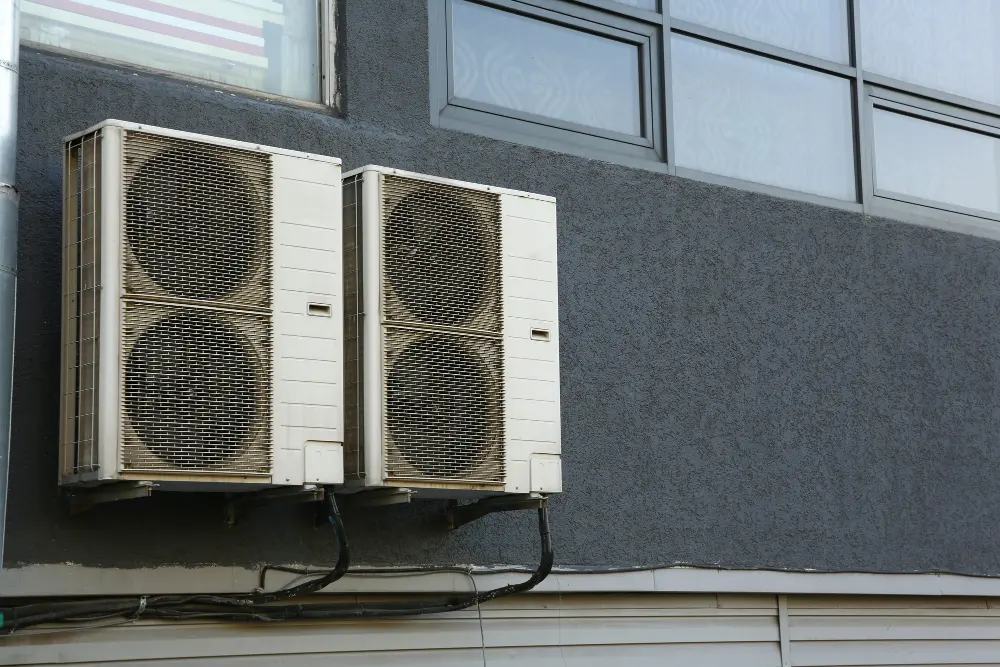
It can. The outdoor unit plays an essential role when the system is operating in heating mode, so its location needs to be considered carefully.
The unit should have appropriate airflow and sufficient space around it. It should also remain accessible for maintenance.
External conditions can also result in frost forming on the outdoor heat exchanger during colder weather. Modern systems are designed to manage this through automatic defrost cycles, but the installation still needs to provide appropriate conditions for the equipment.
The outdoor unit should therefore not simply be placed wherever there happens to be space.
What happens to condensate during winter?
Condensate management needs consideration in both cooling and heating operation.
During cooling, moisture collected from indoor air needs to be drained away from the indoor unit. During heating, the outdoor unit can produce water during defrost cycles.
This means the installation should consider where water may be produced and how it will be safely managed.
A sensible installation plan should consider:
- Indoor condensate drainage
- Outdoor condensate discharge where applicable
- Pipework routes
- Potential freezing conditions
- Access for maintenance
- The location of discharge points
Poorly considered drainage can create avoidable issues, particularly during periods of colder weather.
Can a heat-and-cool system replace central heating?
It depends on the property, system design and homeowner’s requirements.
A single split system may be suitable for heating and cooling one room, while a multi-split system can serve several areas.
Whether air conditioning can provide most or all of a property’s heating requirements depends on factors such as:
It is therefore important not to assume that one wall-mounted unit will provide even heating throughout an entire property.
A professional assessment can establish what level of heating coverage is realistic.
How does installation quality affect winter comfort?
The equipment specification matters, but the installation method can also influence how practical the system is to use.
Incorrect positioning, poor airflow planning or inadequate access can affect the experience of using the system.
For example, placing an indoor unit where its airflow is blocked by furniture can reduce the usefulness of the system. Similarly, an outdoor unit positioned in a restricted location may make future maintenance more difficult.
A quality installation should consider the system as a complete setup rather than treating the indoor unit, outdoor unit and pipework as separate components.
What should be included in a heating and cooling quotation?
When comparing the price of heating and cooling installation, look beyond the equipment cost.
A useful quotation should identify the main elements of the project.
| Quotation detail | Why it matters |
| Equipment specification | Confirms what system is being supplied |
| Heating and cooling capacity | Helps establish suitability |
| Indoor unit positions | Affects airflow and room comfort |
| Outdoor unit position | Influences access and installation route |
| Refrigerant pipework | Connects indoor and outdoor equipment |
| Condensate drainage | Manages water produced during operation |
| Electrical work | Ensures the system can be safely supplied |
| Trunking and finishing | Influences the appearance of the installation |
| Commissioning | Confirms the system has been tested |
| Warranty | Clarifies ongoing equipment protection |
Comparing quotations on these details provides a more meaningful picture than comparing the headline figure alone.
Is heat-and-cool air conditioning expensive to install?
The price of heating and cooling installation depends on the system and the property.
A single-room split system will generally involve different equipment and installation requirements from a multi-room setup.
Factors that can affect the price include:
A more detailed system may cost more initially, but it may also provide heating and cooling across several rooms.
The appropriate comparison is therefore between systems that offer similar coverage and capabilities.
What type of property do you have?


Semi-Detached

Detached

Terraced

Bungalow

Flat

Commercial or Small Office
It just takes 60 Seconds
And then you can book a free consultation
If you are comparing the price of heating and cooling installation, JK Cooling Solutions can explain what the proposed system includes and which installation factors are affecting the quotation. Speak to the team for tailored guidance.
How can a typical Eltham home benefit from heat-and-cool aircon?
Consider a typical home with an upstairs bedroom that becomes uncomfortable during summer and is also difficult to keep warm during colder periods.
A suitably positioned indoor unit could provide cooling during warm weather and reverse cycle heating when temperatures fall. The homeowner can use the same system throughout the year rather than installing separate equipment for each purpose.
However, the effectiveness of this arrangement depends on correct sizing and positioning.
If the property has several rooms requiring independent temperature control, a multi-split arrangement may be worth considering instead.
What mistakes can reduce winter comfort?
Several installation decisions can make a heat-and-cool system less practical.
Choosing equipment based only on cooling
A system should be assessed for both heating and cooling requirements when year-round operation is intended.
Poor indoor unit positioning
Restricted airflow can affect how effectively warm air is distributed.
Ignoring outdoor unit access
The outdoor unit needs to remain accessible for inspection and maintenance.
Overlooking drainage
Water produced during operation needs a suitable discharge route.
Choosing the cheapest installation route
The shortest route is not always the most appropriate. Pipework, access and finishing all need consideration.
Not discussing controls
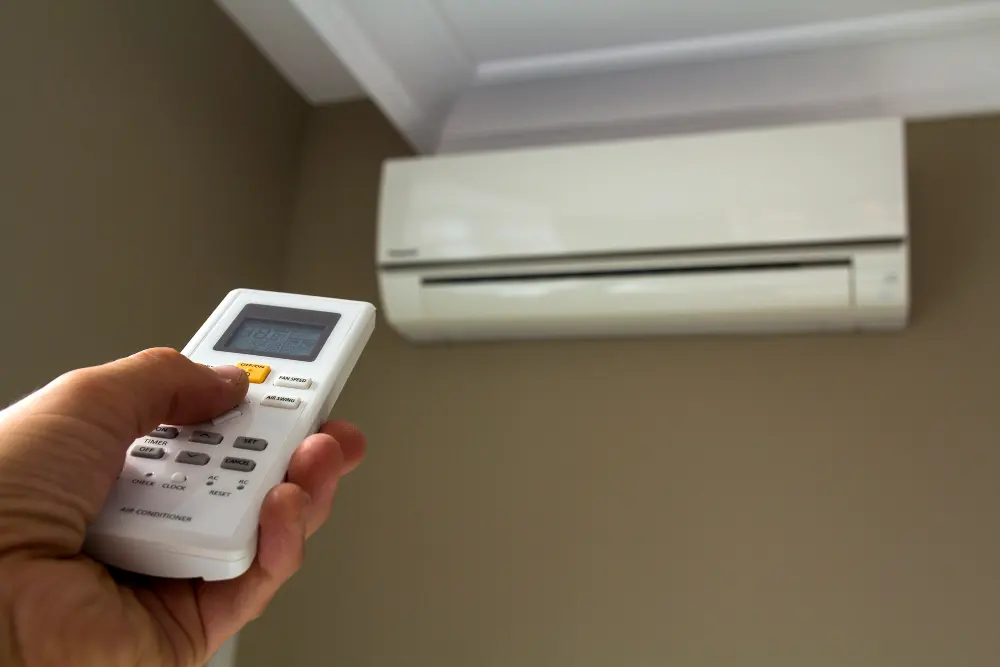
The homeowner should understand how the system will be controlled and how different operating modes work.
How should homeowners compare heat-and-cool systems?
Start with the rooms you actually want to heat and cool.
Consider whether you need:
Then ask an installer to recommend equipment and positioning based on those requirements.
For anyone researching aircon which heat and cool eltham, it is worth discussing how the system will be used throughout the year rather than focusing only on summer temperatures.
Related articles
What type of property do you have?
Semi-Detached
Detached
Terraced
Bungalow
Flat
Commercial or Small Office
At a glance
Can air conditioning provide both heating and cooling?
Yes. Many modern air conditioning systems can provide both cooling in warmer weather and heating during colder periods. These systems use a reverse cycle process to transfer heat rather than simply generating it in the same way as traditional electric heaters.
For homeowners considering aircon which heat and cool eltham, the installation should therefore be planned around year-round use rather than summer cooling alone.
The position of the indoor unit, outdoor unit, pipework, drainage and controls can all affect how practical the system is during winter. A well-planned installation should work comfortably across both seasons.
If you are considering a system that can heat and cool your home, JK Cooling Solutions can help you assess suitable installation options. Contact the team for practical advice based on your property’s layout and requirements.
How does a heat-and-cool air conditioner work?
A reverse cycle air conditioner can move heat in different directions depending on the selected operating mode.
During cooling, heat is removed from the indoor air and transferred outside. During heating, the process is reversed so that heat is transferred from outside into the property.
This means the system needs to be positioned and installed correctly in both modes.
Important considerations include:
The equipment may be capable of both functions, but installation quality still plays an important part in achieving useful year-round comfort.
Why does indoor unit positioning matter during winter?
Air distribution is important in heating mode as well as cooling mode.
Warm air naturally behaves differently from cool air, so the position and direction of the indoor unit can influence how effectively heat spreads through the room.
The installer should consider:
A unit placed in an awkward position may technically heat the room while still producing uneven comfort.
For this reason, homeowners researching aircon which heat and cool eltham should consider the room layout rather than selecting a position simply because it is convenient for the pipework.
Does the outdoor unit affect heating performance?
It can. The outdoor unit plays an essential role when the system is operating in heating mode, so its location needs to be considered carefully.
The unit should have appropriate airflow and sufficient space around it. It should also remain accessible for maintenance.
External conditions can also result in frost forming on the outdoor heat exchanger during colder weather. Modern systems are designed to manage this through automatic defrost cycles, but the installation still needs to provide appropriate conditions for the equipment.
The outdoor unit should therefore not simply be placed wherever there happens to be space.
What happens to condensate during winter?
Condensate management needs consideration in both cooling and heating operation.
During cooling, moisture collected from indoor air needs to be drained away from the indoor unit. During heating, the outdoor unit can produce water during defrost cycles.
This means the installation should consider where water may be produced and how it will be safely managed.
A sensible installation plan should consider:
- Indoor condensate drainage
- Outdoor condensate discharge where applicable
- Pipework routes
- Potential freezing conditions
- Access for maintenance
- The location of discharge points
Poorly considered drainage can create avoidable issues, particularly during periods of colder weather.
Can a heat-and-cool system replace central heating?
It depends on the property, system design and homeowner’s requirements.
A single split system may be suitable for heating and cooling one room, while a multi-split system can serve several areas.
Whether air conditioning can provide most or all of a property’s heating requirements depends on factors such as:
It is therefore important not to assume that one wall-mounted unit will provide even heating throughout an entire property.
A professional assessment can establish what level of heating coverage is realistic.
How does installation quality affect winter comfort?
The equipment specification matters, but the installation method can also influence how practical the system is to use.
Incorrect positioning, poor airflow planning or inadequate access can affect the experience of using the system.
For example, placing an indoor unit where its airflow is blocked by furniture can reduce the usefulness of the system. Similarly, an outdoor unit positioned in a restricted location may make future maintenance more difficult.
A quality installation should consider the system as a complete setup rather than treating the indoor unit, outdoor unit and pipework as separate components.
What should be included in a heating and cooling quotation?
When comparing the price of heating and cooling installation, look beyond the equipment cost.
A useful quotation should identify the main elements of the project.
| Quotation detail | Why it matters |
| Equipment specification | Confirms what system is being supplied |
| Heating and cooling capacity | Helps establish suitability |
| Indoor unit positions | Affects airflow and room comfort |
| Outdoor unit position | Influences access and installation route |
| Refrigerant pipework | Connects indoor and outdoor equipment |
| Condensate drainage | Manages water produced during operation |
| Electrical work | Ensures the system can be safely supplied |
| Trunking and finishing | Influences the appearance of the installation |
| Commissioning | Confirms the system has been tested |
| Warranty | Clarifies ongoing equipment protection |
Comparing quotations on these details provides a more meaningful picture than comparing the headline figure alone.
Is heat-and-cool air conditioning expensive to install?
The price of heating and cooling installation depends on the system and the property.
A single-room split system will generally involve different equipment and installation requirements from a multi-room setup.
Factors that can affect the price include:
A more detailed system may cost more initially, but it may also provide heating and cooling across several rooms.
The appropriate comparison is therefore between systems that offer similar coverage and capabilities.
What type of property do you have?
Semi-Detached
Detached
Terraced
Bungalow
Flat
Commercial or Small Office
It just takes 60 Seconds
And then you can book a free consultation
If you are comparing the price of heating and cooling installation, JK Cooling Solutions can explain what the proposed system includes and which installation factors are affecting the quotation. Speak to the team for tailored guidance.
How can a typical Eltham home benefit from heat-and-cool aircon?
Consider a typical home with an upstairs bedroom that becomes uncomfortable during summer and is also difficult to keep warm during colder periods.
A suitably positioned indoor unit could provide cooling during warm weather and reverse cycle heating when temperatures fall. The homeowner can use the same system throughout the year rather than installing separate equipment for each purpose.
However, the effectiveness of this arrangement depends on correct sizing and positioning.
If the property has several rooms requiring independent temperature control, a multi-split arrangement may be worth considering instead.
What mistakes can reduce winter comfort?
Several installation decisions can make a heat-and-cool system less practical.
Choosing equipment based only on cooling
A system should be assessed for both heating and cooling requirements when year-round operation is intended.
Poor indoor unit positioning
Restricted airflow can affect how effectively warm air is distributed.
Ignoring outdoor unit access
The outdoor unit needs to remain accessible for inspection and maintenance.
Overlooking drainage
Water produced during operation needs a suitable discharge route.
Choosing the cheapest installation route
The shortest route is not always the most appropriate. Pipework, access and finishing all need consideration.
Not discussing controls
The homeowner should understand how the system will be controlled and how different operating modes work.
How should homeowners compare heat-and-cool systems?
Start with the rooms you actually want to heat and cool.
Consider whether you need:
Then ask an installer to recommend equipment and positioning based on those requirements.
For anyone researching aircon which heat and cool eltham, it is worth discussing how the system will be used throughout the year rather than focusing only on summer temperatures.
Related articles
What type of property do you have?
Semi-Detached
Detached
Terraced
Bungalow
Flat
Commercial or Small Office