New Air Conditioner Eltham: When Upgrading Is Better Than Repairing
Knowing when to repair or replace an ageing air conditioner can save money and improve long-term comfort. Discover the key signs it’s time to upgrade, what affects replacement costs, and how to choose the right new air conditioning system for your Eltham home.

Why you can trust our content
Our team is fully trained, qualified and highly experienced in the air conditioning industry.


An air conditioning system can often be repaired when something goes wrong, but that does not always mean repair is the most sensible long-term option. As equipment gets older, faults can become more frequent, efficiency can decline and replacement parts may become harder or more expensive to source.
For homeowners considering a new air conditioner Eltham, the important question is not simply whether the existing unit can be fixed. It is whether spending more money on an ageing system is likely to provide good value over the next few years.
A repair may be perfectly reasonable for a relatively young and well-maintained system. On the other hand, repeated faults, poor performance and rising running costs can indicate that replacement deserves serious consideration.
If you are unsure whether your existing system should be repaired or replaced, JK Cooling Solutions can assess the condition of the installation and provide practical advice based on the system, property and likely long-term costs.
What Are the Main Signs an Air Conditioner Needs Replacing?
There is no single age at which every air conditioning system should be replaced. Condition, maintenance history, usage and the cost of the fault all matter.
However, several warning signs can suggest that continued repairs are becoming less worthwhile:
A single minor fault does not automatically justify replacement. A worn sensor, electrical component or other relatively simple issue may be straightforward to resolve.
The bigger concern is a pattern of faults. If repair bills keep accumulating without restoring reliable performance, putting that money towards a modern system may provide better long-term value.
How Does the Age of the System Affect the Repair-or-Replace Decision?
Age matters because an older air conditioner may have more wear across multiple components, even when only one fault is currently obvious.
For example, replacing one failed part may restore operation, but another component could fail later. This is why an installer should consider the overall condition of the equipment rather than focusing only on the immediate fault.
A useful comparison is to look at:
| Consideration | Repair Existing System | Replace Existing System |
| Initial spend | Usually lower | Usually higher |
| Short-term disruption | Often limited | Greater during installation |
| Efficiency | May remain limited by older equipment | Modern systems may offer improved efficiency |
| Reliability | Depends on system condition | New equipment generally reduces age-related faults |
| Future repair risk | Potentially higher | Usually lower initially |
| Warranty protection | May be limited | New equipment normally comes with manufacturer warranty |
The table does not mean replacement is always the better option. The right decision depends on the condition of the equipment and the expected cost of keeping it running.
Is Repairing an Older Air Conditioner Still Worthwhile?
Yes, in many situations. Repair can make sense when the system is otherwise in good condition and the fault is relatively minor.
For example, an air conditioner that has been properly maintained for several years may only need a straightforward repair to continue operating reliably. Replacing equipment every time a component fails would not be practical or economical.
The calculation becomes less attractive when a repair involves a major component, particularly if the system has already developed several other problems.
The air con cost Eltham homeowners are considering should therefore be looked at in context. It is not simply the price of the replacement equipment. It is the total likely cost of keeping the existing system operational compared with the cost and expected lifespan of a replacement.
When Can a New System Offer Better Long-Term Value?
A replacement can make financial sense when improved efficiency, reliability and reduced maintenance are likely to outweigh the upfront installation cost.
Modern systems can also provide greater flexibility. Depending on the equipment selected, a replacement may offer both heating and cooling, more accurate temperature control and quieter operation than an older unit.
This can be particularly useful where a room has changed purpose. A bedroom that was rarely used may now be occupied every day, for example, or a home office may require more consistent temperature control.
For anyone researching a new air conditioner Eltham, it is worth considering the system as a long-term property improvement rather than simply another household expense.
What type of property do you have?


Semi-Detached
Detached

Terraced

Bungalow

Flat

Commercial or Small Office
It just takes 60 Seconds
And then you can book a free consultation
Before committing to replacement, speak to JK Cooling Solutions about the current system and the reasons for upgrading. A professional assessment can help establish whether replacement is genuinely justified or whether a repair is the more sensible route.
What Should You Compare Before Replacing an Old Air Conditioner?
Looking only at the purchase price can lead to a poor decision. A replacement needs to suit the room, property and way the system will be used.
Key factors include:
System size
The replacement needs to be appropriately sized for the space. An oversized system is not automatically better, while an undersized unit may struggle to achieve comfortable temperatures.
Heating and cooling requirements
Some homeowners only want cooling, while others need year-round temperature control. A system that can heat as well as cool may be more useful where one unit can serve both purposes.
Location of the equipment
The position of indoor and outdoor units affects installation requirements, appearance, airflow and access for future maintenance.
Existing pipework and electrical work
Reusing parts of an existing installation may simplify the replacement, but this depends on the condition and compatibility of the components.
Controls and usability
Newer systems may provide improved controls and more convenient ways to manage temperature settings. This can make everyday operation simpler.
Warranty and support
A replacement should come with clear warranty information and access to appropriate servicing support.
Does the Existing Installation Affect Replacement Cost?
Yes. The condition and layout of the existing installation can have a noticeable impact on the final price.
A replacement is not always the same as starting from scratch. Existing pipework, cable routes, mounting positions and drainage arrangements may sometimes be suitable for continued use, reducing the amount of installation work required.
However, old or unsuitable components may need to be replaced. The system may also need to be repositioned to improve performance or meet current installation requirements.
This is one reason an accurate assessment is more useful than relying on a generic online figure. The air con cost Eltham residents see quoted elsewhere may have little relevance to a particular property.
What Is a Typical Replacement Scenario?
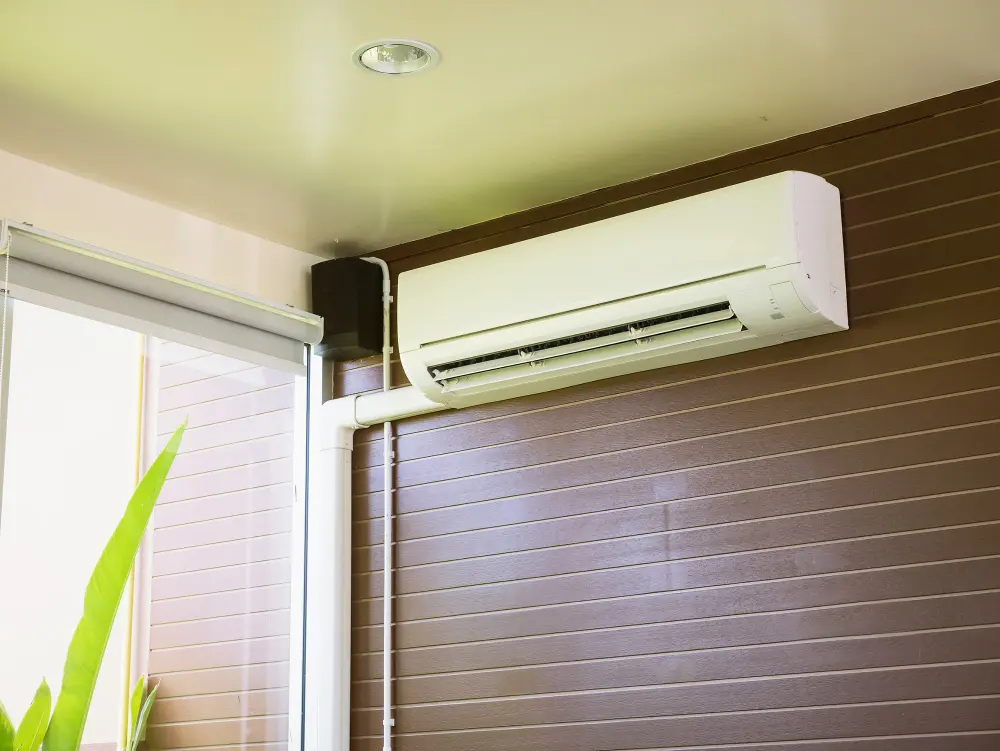
Consider a homeowner with an older wall-mounted unit that has become noisy and unreliable. The system still works, but cooling performance has deteriorated and a significant repair is now required.
Rather than replacing one major component and potentially facing another failure later, the homeowner compares the repair with a replacement installation. The existing location is suitable, but some older installation components need updating. A new system provides more dependable heating and cooling, while the updated installation reduces the likelihood of further age-related problems.
This is a common example of why replacement decisions should be based on the whole installation rather than the immediate fault alone.
How Can You Decide Between Repair and Replacement?
A simple decision framework can help:
Repair may be more appropriate when:
Replacement may be more appropriate when:
There is no universal rule based purely on age. A professional assessment should consider the condition of the complete system and the likely costs over the next few years.
Related articles
What type of property do you have?
Semi-Detached
Detached
Terraced
Bungalow
Flat
Commercial or Small Office
An air conditioning system can often be repaired when something goes wrong, but that does not always mean repair is the most sensible long-term option. As equipment gets older, faults can become more frequent, efficiency can decline and replacement parts may become harder or more expensive to source.
For homeowners considering a new air conditioner Eltham, the important question is not simply whether the existing unit can be fixed. It is whether spending more money on an ageing system is likely to provide good value over the next few years.
A repair may be perfectly reasonable for a relatively young and well-maintained system. On the other hand, repeated faults, poor performance and rising running costs can indicate that replacement deserves serious consideration.
If you are unsure whether your existing system should be repaired or replaced, JK Cooling Solutions can assess the condition of the installation and provide practical advice based on the system, property and likely long-term costs.
What Are the Main Signs an Air Conditioner Needs Replacing?
There is no single age at which every air conditioning system should be replaced. Condition, maintenance history, usage and the cost of the fault all matter.
However, several warning signs can suggest that continued repairs are becoming less worthwhile:
A single minor fault does not automatically justify replacement. A worn sensor, electrical component or other relatively simple issue may be straightforward to resolve.
The bigger concern is a pattern of faults. If repair bills keep accumulating without restoring reliable performance, putting that money towards a modern system may provide better long-term value.
How Does the Age of the System Affect the Repair-or-Replace Decision?
Age matters because an older air conditioner may have more wear across multiple components, even when only one fault is currently obvious.
For example, replacing one failed part may restore operation, but another component could fail later. This is why an installer should consider the overall condition of the equipment rather than focusing only on the immediate fault.
A useful comparison is to look at:
| Consideration | Repair Existing System | Replace Existing System |
| Initial spend | Usually lower | Usually higher |
| Short-term disruption | Often limited | Greater during installation |
| Efficiency | May remain limited by older equipment | Modern systems may offer improved efficiency |
| Reliability | Depends on system condition | New equipment generally reduces age-related faults |
| Future repair risk | Potentially higher | Usually lower initially |
| Warranty protection | May be limited | New equipment normally comes with manufacturer warranty |
The table does not mean replacement is always the better option. The right decision depends on the condition of the equipment and the expected cost of keeping it running.
Is Repairing an Older Air Conditioner Still Worthwhile?
Yes, in many situations. Repair can make sense when the system is otherwise in good condition and the fault is relatively minor.
For example, an air conditioner that has been properly maintained for several years may only need a straightforward repair to continue operating reliably. Replacing equipment every time a component fails would not be practical or economical.
The calculation becomes less attractive when a repair involves a major component, particularly if the system has already developed several other problems.
The air con cost Eltham homeowners are considering should therefore be looked at in context. It is not simply the price of the replacement equipment. It is the total likely cost of keeping the existing system operational compared with the cost and expected lifespan of a replacement.
When Can a New System Offer Better Long-Term Value?
A replacement can make financial sense when improved efficiency, reliability and reduced maintenance are likely to outweigh the upfront installation cost.
Modern systems can also provide greater flexibility. Depending on the equipment selected, a replacement may offer both heating and cooling, more accurate temperature control and quieter operation than an older unit.
This can be particularly useful where a room has changed purpose. A bedroom that was rarely used may now be occupied every day, for example, or a home office may require more consistent temperature control.
For anyone researching a new air conditioner Eltham, it is worth considering the system as a long-term property improvement rather than simply another household expense.
What type of property do you have?
Semi-Detached
Detached
Terraced
Bungalow
Flat
Commercial or Small Office
It just takes 60 Seconds
And then you can book a free consultation
Before committing to replacement, speak to JK Cooling Solutions about the current system and the reasons for upgrading. A professional assessment can help establish whether replacement is genuinely justified or whether a repair is the more sensible route.
What Should You Compare Before Replacing an Old Air Conditioner?
Looking only at the purchase price can lead to a poor decision. A replacement needs to suit the room, property and way the system will be used.
Key factors include:
System size
The replacement needs to be appropriately sized for the space. An oversized system is not automatically better, while an undersized unit may struggle to achieve comfortable temperatures.
Heating and cooling requirements
Some homeowners only want cooling, while others need year-round temperature control. A system that can heat as well as cool may be more useful where one unit can serve both purposes.
Location of the equipment
The position of indoor and outdoor units affects installation requirements, appearance, airflow and access for future maintenance.
Existing pipework and electrical work
Reusing parts of an existing installation may simplify the replacement, but this depends on the condition and compatibility of the components.
Controls and usability
Newer systems may provide improved controls and more convenient ways to manage temperature settings. This can make everyday operation simpler.
Warranty and support
A replacement should come with clear warranty information and access to appropriate servicing support.
Does the Existing Installation Affect Replacement Cost?
Yes. The condition and layout of the existing installation can have a noticeable impact on the final price.
A replacement is not always the same as starting from scratch. Existing pipework, cable routes, mounting positions and drainage arrangements may sometimes be suitable for continued use, reducing the amount of installation work required.
However, old or unsuitable components may need to be replaced. The system may also need to be repositioned to improve performance or meet current installation requirements.
This is one reason an accurate assessment is more useful than relying on a generic online figure. The air con cost Eltham residents see quoted elsewhere may have little relevance to a particular property.
What Is a Typical Replacement Scenario?
Consider a homeowner with an older wall-mounted unit that has become noisy and unreliable. The system still works, but cooling performance has deteriorated and a significant repair is now required.
Rather than replacing one major component and potentially facing another failure later, the homeowner compares the repair with a replacement installation. The existing location is suitable, but some older installation components need updating. A new system provides more dependable heating and cooling, while the updated installation reduces the likelihood of further age-related problems.
This is a common example of why replacement decisions should be based on the whole installation rather than the immediate fault alone.
How Can You Decide Between Repair and Replacement?
A simple decision framework can help:
Repair may be more appropriate when:
Replacement may be more appropriate when:
There is no universal rule based purely on age. A professional assessment should consider the condition of the complete system and the likely costs over the next few years.
Related articles
What type of property do you have?
Semi-Detached
Detached
Terraced
Bungalow
Flat
Commercial or Small Office