Wall Mounted Units for Reception Areas and Consultation Rooms
Discover how wall mounted air conditioning can provide practical heating and cooling for reception areas and consultation rooms, with guidance on sizing, positioning, airflow, noise and installation costs.

Why you can trust our content
Our team is fully trained, qualified and highly experienced in the air conditioning industry.

At a glance
Reception areas and consultation rooms have one thing in common: people notice the indoor environment. Whether customers are waiting for an appointment or speaking with a professional, excessive heat, poor airflow or an uncomfortable room temperature can affect the experience.
For many smaller commercial premises, wall mounted air conditioning offers a practical way to provide heating and cooling without introducing a complex ducted system. However, choosing the right unit involves more than finding a suitable-looking model and putting it on the nearest wall.
Room usage, occupancy, glazing, furniture, noise, airflow and installation access all need to be considered. A properly assessed system can provide comfortable conditions while fitting naturally into the working environment.
Why are wall mounted units popular in smaller commercial spaces?
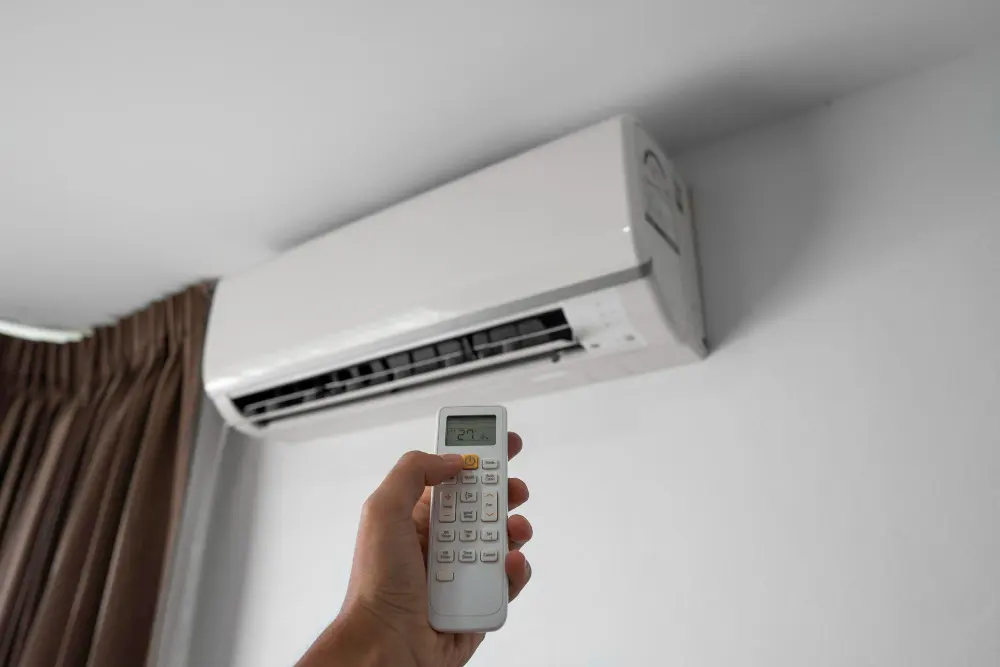
A wall mounted system can be a practical choice when a business needs temperature control in one room or a clearly defined area.
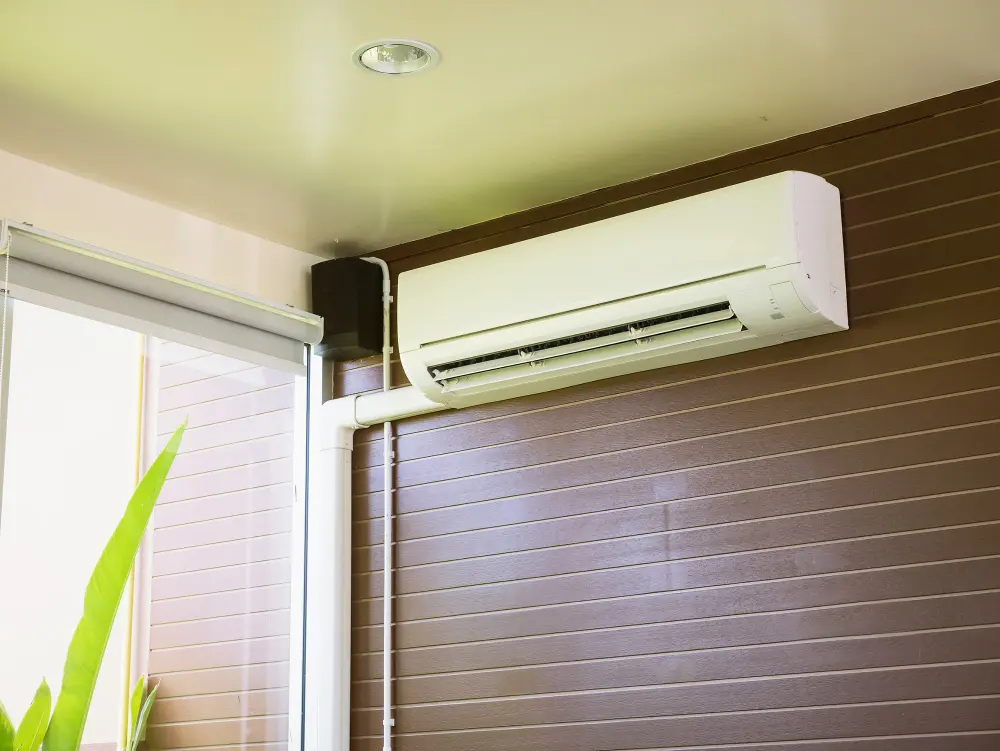
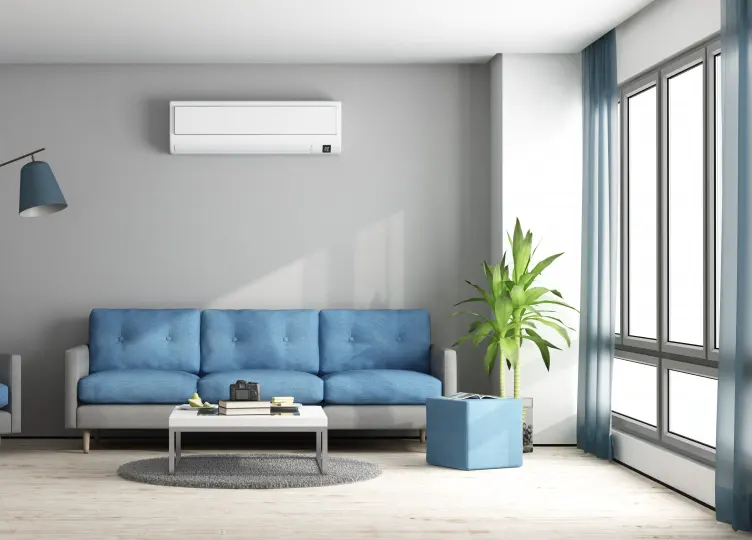
The indoor unit is installed on a wall and connected to an outdoor unit. Depending on the model, the system may provide both cooling and heating.
Potential advantages include:
For a reception area, a system can help manage temperatures during busy periods when occupants and frequently opening doors add to the heat load.
In a consultation room, the priorities may be slightly different. Quiet operation, gentle airflow and consistent temperature control can be more important than rapid cooling.
If you are considering a wall mounted system for your premises, JK Cooling Solutions can assess the room and recommend an appropriate approach. Contact our team for practical guidance before choosing equipment.
What should you consider when choosing a unit?
The correct system should be selected around the room rather than simply its physical dimensions.
An installer may consider:
| Consideration | Why it matters |
| Room size | Helps establish required capacity |
| Occupancy | People contribute to internal heat |
| Windows | Glazing can increase heat gain |
| Sun exposure | Direct sunlight can raise temperatures |
| Equipment | Computers and appliances may generate heat |
| Door usage | Frequent opening can affect cooling |
| Furniture | Can influence airflow |
| Room purpose | Different spaces have different comfort priorities |
This assessment helps determine whether a particular wall mounted air conditioning unit is suitable for the room.
For example, a small consultation room with one or two occupants may have very different requirements from a busy reception area where several people are present throughout the day.
Where should a wall mounted unit be positioned?
Positioning can have a major influence on comfort and performance.
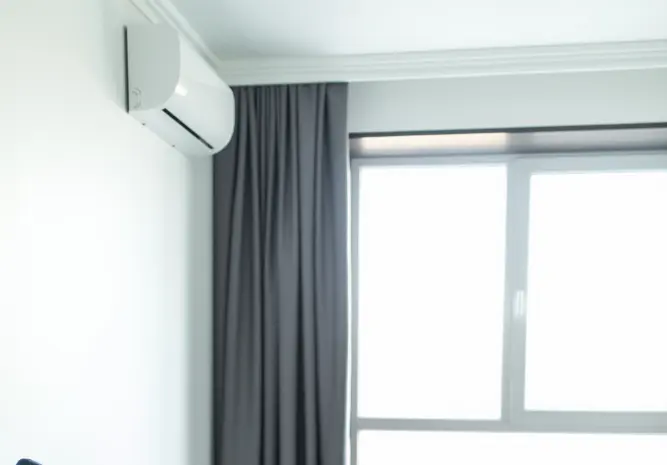
The unit should be able to distribute air effectively around the room without creating an uncomfortable direct airflow towards people.
In a reception area, avoid positioning the system where the airflow constantly passes across waiting customers. In a consultation room, consider where chairs, desks and examination areas are located.
The installer should also consider:
A technically possible location is not always the most comfortable or practical one.
Does noise matter in a consultation room?
Yes. Noise should be considered carefully where conversations are central to the use of the room.
A system that produces noticeable background noise may be distracting during consultations or meetings. This is why businesses should ask about the operating noise of the proposed equipment rather than assuming all air conditioning systems sound the same.
Positioning also matters. A unit mounted close to where people sit may be more noticeable than one positioned further away.
For consultation rooms, the objective should be comfortable temperature control without the equipment becoming a distraction.
Can wall mounted systems provide heating as well as cooling?
Many modern systems can provide both heating and cooling.
This can make them useful throughout the year. During warmer months, the system can remove heat from the room. During colder periods, a reverse-cycle system can provide heating.
For a business, this can be useful where a room becomes too warm in summer but also needs additional heating during winter.
However, the system should be selected according to the expected heating and cooling requirements. A business should also consider how the unit will interact with its existing heating system.
If the air conditioner is expected to provide a substantial amount of heating, this should be discussed during the initial assessment.
What affects wall mounted aircon price?
There is no universal price for a wall mounted installation.
The total cost depends on both the equipment and the work required to install it.
Factors can include:
A straightforward installation where the indoor and outdoor units are relatively close together may involve less work than a property requiring a longer or more complicated route.
When comparing wall mounted aircon price, businesses should therefore look at the complete installation rather than the cost of the indoor unit alone.
Does a larger unit provide better cooling?
Not necessarily.
Choosing a system with more capacity than the room needs does not automatically provide better comfort or efficiency.
An appropriately sized system should be capable of handling the room’s cooling and heating requirements without unnecessary oversizing.
The installer should consider factors such as glazing, occupancy, sunlight and equipment when determining the required capacity.
This is particularly important for consultation rooms, where maintaining a comfortable and stable temperature may be more important than achieving the fastest possible temperature change.
Are wall mounted systems suitable for reception areas?
They can be, particularly where the reception area is relatively compact and has a suitable wall for installation.
However, reception areas can experience changing conditions throughout the day. Customers entering and leaving can affect indoor temperatures, while sunlight through glazing may create additional heat.
The system should therefore be sized and positioned around the way the reception area is actually used.
For larger reception spaces, several units or an alternative system may provide more even coverage.
How can airflow affect customer comfort?
Airflow is an important part of the installation.
A system needs to move conditioned air around the room, but strong direct airflow can feel uncomfortable when people are sitting still.
This is particularly relevant in reception and consultation areas, where people may remain in one position for extended periods.
The installer should consider the direction of airflow and whether the unit can distribute air across the room without creating a constant draught.
What type of property do you have?


Semi-Detached

Detached

Terraced

Bungalow

Flat

Commercial or Small Office
It just takes 60 Seconds
And then you can book a free consultation
JK Cooling Solutions can assess the room layout and help determine a practical unit position. Speak to our team if you want advice on balancing effective airflow with customer and staff comfort.
What about the outdoor unit?
The outdoor unit is an important part of the installation and should not be overlooked.
It needs suitable space, airflow and access for maintenance. Its location also affects the route of pipework and cables between the outdoor and indoor units.
Before installation, ask where the outdoor unit will be positioned and whether the proposed location provides adequate access for future servicing.
For commercial premises, it is also sensible to consider whether the location interferes with walkways, storage areas or other building operations.
How disruptive is wall mounted installation?
A wall mounted system can often involve less installation work than a ducted system, but the actual disruption depends on the property.
The installer may need to create openings for pipework, secure the indoor unit, position the outdoor equipment and complete electrical and drainage connections.
Businesses can minimise disruption by:
- Identifying the preferred installation area in advance
- Moving removable furniture
- Informing staff about access requirements
- Scheduling work outside busy periods where practical
- Discussing any restricted areas with the installer
A clear installation plan can help keep disruption manageable.
A typical consultation room example
Consider a small Eltham consultation room with two chairs, a desk and a large window. During summer afternoons, sunlight through the window causes the room to become noticeably warmer than the rest of the premises.
A wall mounted system could provide independent temperature control without requiring ductwork across the entire property.
The installer would need to assess the room’s size, occupancy, window exposure and furniture layout. The unit could then be positioned to distribute air without directing a strong stream directly towards the occupants.
The same principle could apply to a reception room, although higher occupancy and frequent door opening may require a different capacity.
What should businesses ask before buying?
Before choosing a system, ask:
These questions can help businesses make a decision based on suitability rather than appearance or price alone.
How should you compare quotations?
When comparing quotations, check that each proposal covers broadly the same requirements.
Look at:
A quotation with a lower headline figure may not represent better value if important installation work has been left out.
This is particularly relevant when comparing wall mounted aircon price because equipment and installation costs can vary independently.
Related articles

What type of property do you have?
Semi-Detached
Detached
Terraced
Bungalow
Flat
Commercial or Small Office
At a glance
Reception areas and consultation rooms have one thing in common: people notice the indoor environment. Whether customers are waiting for an appointment or speaking with a professional, excessive heat, poor airflow or an uncomfortable room temperature can affect the experience.
For many smaller commercial premises, wall mounted air conditioning offers a practical way to provide heating and cooling without introducing a complex ducted system. However, choosing the right unit involves more than finding a suitable-looking model and putting it on the nearest wall.
Room usage, occupancy, glazing, furniture, noise, airflow and installation access all need to be considered. A properly assessed system can provide comfortable conditions while fitting naturally into the working environment.
Why are wall mounted units popular in smaller commercial spaces?
A wall mounted system can be a practical choice when a business needs temperature control in one room or a clearly defined area.
The indoor unit is installed on a wall and connected to an outdoor unit. Depending on the model, the system may provide both cooling and heating.
Potential advantages include:
For a reception area, a system can help manage temperatures during busy periods when occupants and frequently opening doors add to the heat load.
In a consultation room, the priorities may be slightly different. Quiet operation, gentle airflow and consistent temperature control can be more important than rapid cooling.
If you are considering a wall mounted system for your premises, JK Cooling Solutions can assess the room and recommend an appropriate approach. Contact our team for practical guidance before choosing equipment.
What should you consider when choosing a unit?
The correct system should be selected around the room rather than simply its physical dimensions.
An installer may consider:
| Consideration | Why it matters |
| Room size | Helps establish required capacity |
| Occupancy | People contribute to internal heat |
| Windows | Glazing can increase heat gain |
| Sun exposure | Direct sunlight can raise temperatures |
| Equipment | Computers and appliances may generate heat |
| Door usage | Frequent opening can affect cooling |
| Furniture | Can influence airflow |
| Room purpose | Different spaces have different comfort priorities |
This assessment helps determine whether a particular wall mounted air conditioning unit is suitable for the room.
For example, a small consultation room with one or two occupants may have very different requirements from a busy reception area where several people are present throughout the day.
Where should a wall mounted unit be positioned?
Positioning can have a major influence on comfort and performance.
The unit should be able to distribute air effectively around the room without creating an uncomfortable direct airflow towards people.
In a reception area, avoid positioning the system where the airflow constantly passes across waiting customers. In a consultation room, consider where chairs, desks and examination areas are located.
The installer should also consider:
A technically possible location is not always the most comfortable or practical one.
Does noise matter in a consultation room?
Yes. Noise should be considered carefully where conversations are central to the use of the room.
A system that produces noticeable background noise may be distracting during consultations or meetings. This is why businesses should ask about the operating noise of the proposed equipment rather than assuming all air conditioning systems sound the same.
Positioning also matters. A unit mounted close to where people sit may be more noticeable than one positioned further away.
For consultation rooms, the objective should be comfortable temperature control without the equipment becoming a distraction.
Can wall mounted systems provide heating as well as cooling?
Many modern systems can provide both heating and cooling.
This can make them useful throughout the year. During warmer months, the system can remove heat from the room. During colder periods, a reverse-cycle system can provide heating.
For a business, this can be useful where a room becomes too warm in summer but also needs additional heating during winter.
However, the system should be selected according to the expected heating and cooling requirements. A business should also consider how the unit will interact with its existing heating system.
If the air conditioner is expected to provide a substantial amount of heating, this should be discussed during the initial assessment.
What affects wall mounted aircon price?
There is no universal price for a wall mounted installation.
The total cost depends on both the equipment and the work required to install it.
Factors can include:
A straightforward installation where the indoor and outdoor units are relatively close together may involve less work than a property requiring a longer or more complicated route.
When comparing wall mounted aircon price, businesses should therefore look at the complete installation rather than the cost of the indoor unit alone.
Does a larger unit provide better cooling?
Not necessarily.
Choosing a system with more capacity than the room needs does not automatically provide better comfort or efficiency.
An appropriately sized system should be capable of handling the room’s cooling and heating requirements without unnecessary oversizing.
The installer should consider factors such as glazing, occupancy, sunlight and equipment when determining the required capacity.
This is particularly important for consultation rooms, where maintaining a comfortable and stable temperature may be more important than achieving the fastest possible temperature change.
Are wall mounted systems suitable for reception areas?
They can be, particularly where the reception area is relatively compact and has a suitable wall for installation.
However, reception areas can experience changing conditions throughout the day. Customers entering and leaving can affect indoor temperatures, while sunlight through glazing may create additional heat.
The system should therefore be sized and positioned around the way the reception area is actually used.
For larger reception spaces, several units or an alternative system may provide more even coverage.
How can airflow affect customer comfort?
Airflow is an important part of the installation.
A system needs to move conditioned air around the room, but strong direct airflow can feel uncomfortable when people are sitting still.
This is particularly relevant in reception and consultation areas, where people may remain in one position for extended periods.
The installer should consider the direction of airflow and whether the unit can distribute air across the room without creating a constant draught.
What type of property do you have?
Semi-Detached
Detached
Terraced
Bungalow
Flat
Commercial or Small Office
It just takes 60 Seconds
And then you can book a free consultation
JK Cooling Solutions can assess the room layout and help determine a practical unit position. Speak to our team if you want advice on balancing effective airflow with customer and staff comfort.
What about the outdoor unit?
The outdoor unit is an important part of the installation and should not be overlooked.
It needs suitable space, airflow and access for maintenance. Its location also affects the route of pipework and cables between the outdoor and indoor units.
Before installation, ask where the outdoor unit will be positioned and whether the proposed location provides adequate access for future servicing.
For commercial premises, it is also sensible to consider whether the location interferes with walkways, storage areas or other building operations.
How disruptive is wall mounted installation?
A wall mounted system can often involve less installation work than a ducted system, but the actual disruption depends on the property.
The installer may need to create openings for pipework, secure the indoor unit, position the outdoor equipment and complete electrical and drainage connections.
Businesses can minimise disruption by:
- Identifying the preferred installation area in advance
- Moving removable furniture
- Informing staff about access requirements
- Scheduling work outside busy periods where practical
- Discussing any restricted areas with the installer
A clear installation plan can help keep disruption manageable.
A typical consultation room example
Consider a small Eltham consultation room with two chairs, a desk and a large window. During summer afternoons, sunlight through the window causes the room to become noticeably warmer than the rest of the premises.
A wall mounted system could provide independent temperature control without requiring ductwork across the entire property.
The installer would need to assess the room’s size, occupancy, window exposure and furniture layout. The unit could then be positioned to distribute air without directing a strong stream directly towards the occupants.
The same principle could apply to a reception room, although higher occupancy and frequent door opening may require a different capacity.
What should businesses ask before buying?
Before choosing a system, ask:
These questions can help businesses make a decision based on suitability rather than appearance or price alone.
How should you compare quotations?
When comparing quotations, check that each proposal covers broadly the same requirements.
Look at:
A quotation with a lower headline figure may not represent better value if important installation work has been left out.
This is particularly relevant when comparing wall mounted aircon price because equipment and installation costs can vary independently.
Related articles
What type of property do you have?
Semi-Detached
Detached
Terraced
Bungalow
Flat
Commercial or Small Office