How to Maintain Your Home Air Conditioner Year-Round
Regularly clean/replace filters and clear outdoor debris for optimal performance; annual professional servicing prevents costly breakdowns.

Why you can trust our content
Our team is fully trained, qualified and highly experienced in the air conditioning industry.

At a glance
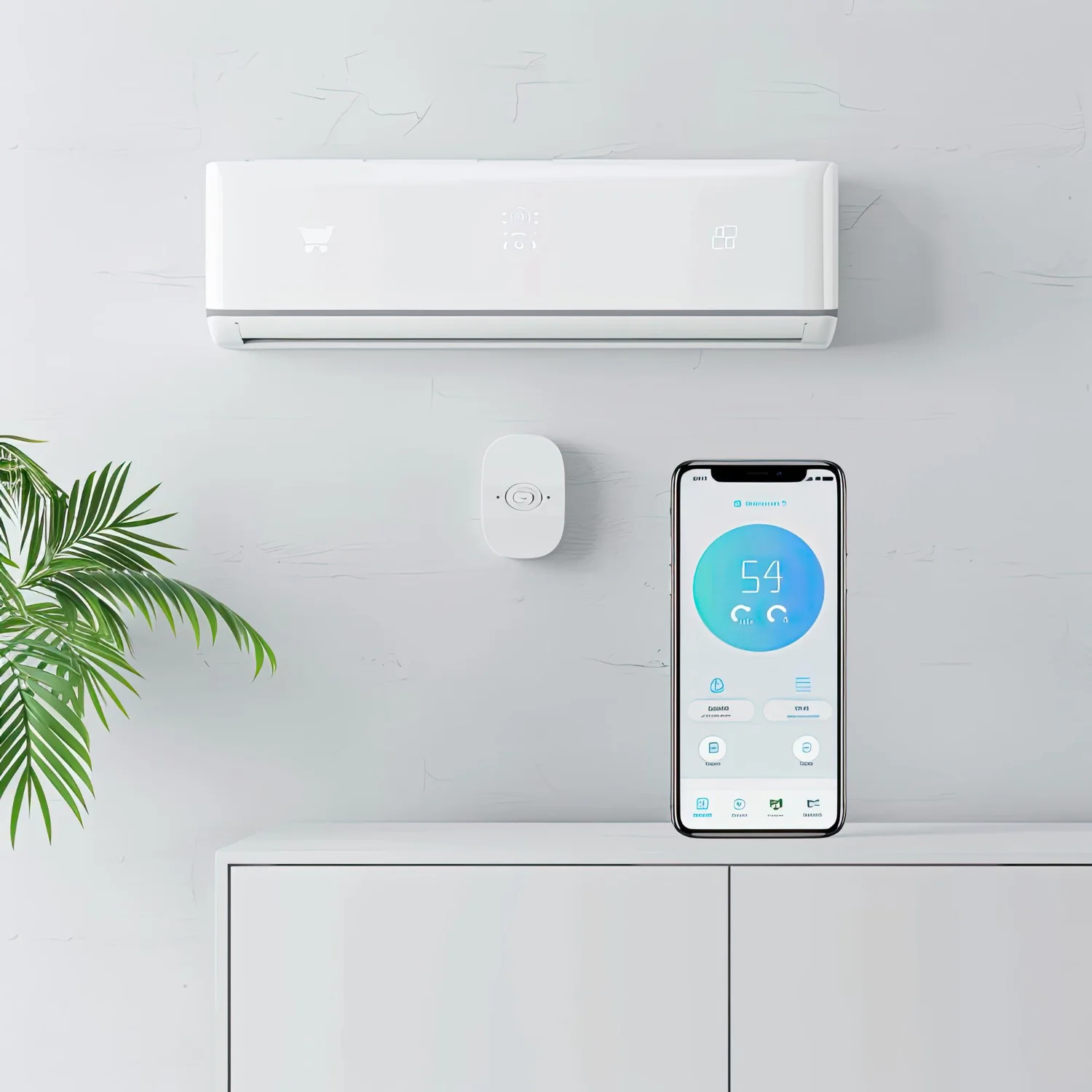
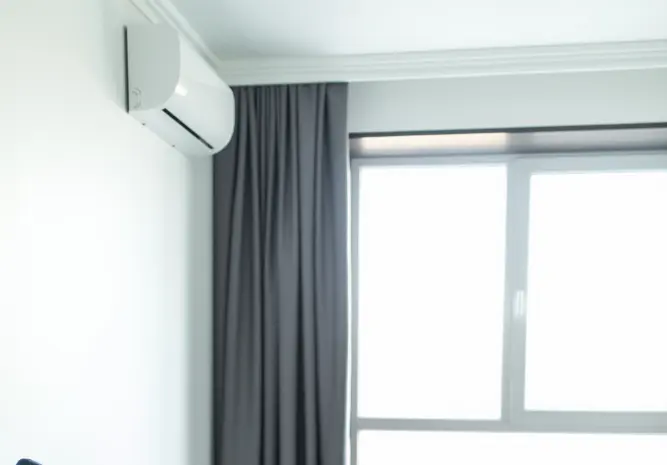
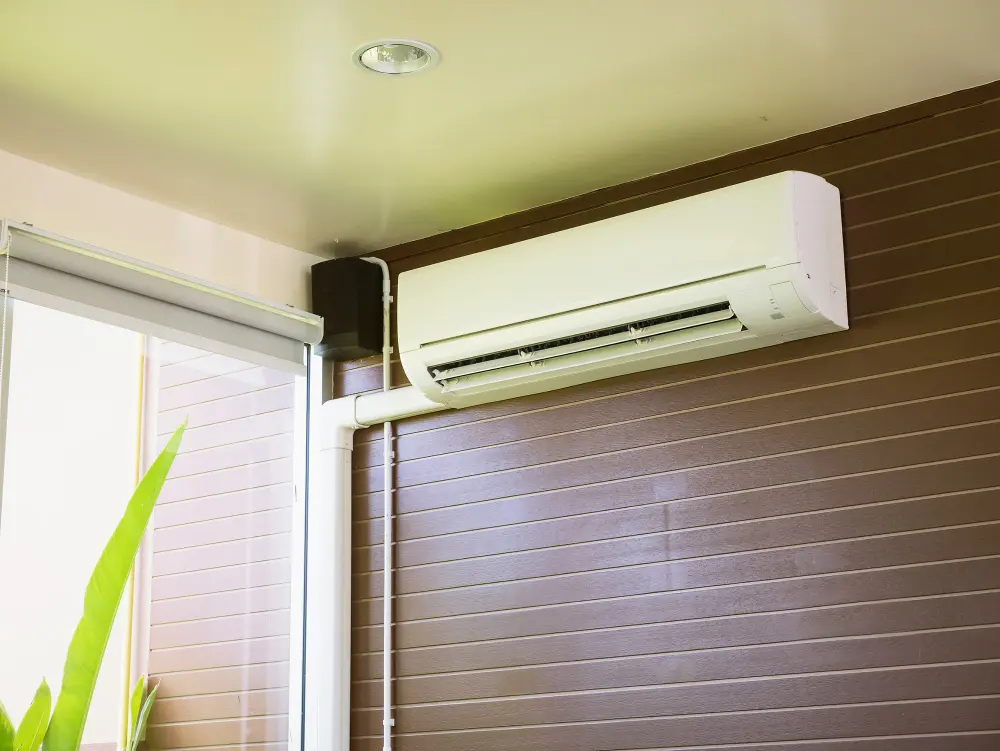
Investing in a home air conditioner is only the first step. To keep it running efficiently and extend its lifespan, regular maintenance is essential.
Keeping your home air conditioning system in good working order doesn’t have to be complicated—but it does require some attention throughout the year. Regular maintenance not only ensures a comfortable living space during the warmer months but also extends the life of your system and reduces your energy bills. Here are seven essential air conditioning maintenance tips every homeowner should know.
1. Clean or Replace Air Filters Every 1–3 Months
Air filters play a crucial role in maintaining indoor air quality and system efficiency. Over time, filters can become clogged with dust, pet hair, pollen and general household debris. When this happens, your system has to work harder to pull air through, consuming more energy and delivering less effective cooling. During periods of high use—particularly in summer—it’s best to check your filters monthly. If your system uses reusable filters, give them a good clean with water and allow them to dry completely before reinstalling. For disposable filters, make sure they’re replaced every 1–3 months, depending on usage and indoor conditions. A clean filter means better airflow, cleaner air, and reduced strain on your AC.
2. Keep Outdoor Units Clear
The outdoor condenser unit is just as important as the indoor components of your system. It requires clear airflow to function properly and release heat. In leafy areas like South London and Kent, fallen leaves and even overgrown shrubs can accumulate around the unit. These obstructions restrict airflow, making the system less efficient and more prone to overheating. Check the area around your outdoor unit regularly, especially after storms or windy days. Trim back any nearby vegetation and brush away debris from the vents and fins.
3. Schedule Annual Professional Servicing
Even if everything seems to be working well, it’s important to have your air conditioning unit professionally serviced at least once a year. A qualified engineer will inspect, clea, and fine-tune your system, catching potential issues before they become costly repairs. They’ll check refrigerant levels, test thermostat accuracy, examine electrical components, clean the coils, and ensure the system is operating safely and efficiently. This annual check-up is especially important for older systems, or if your air conditioner runs frequently throughout the warmer months.
4. Check Thermostat Settings
Your thermostat is the brain of your air conditioning system. If it’s not calibrated properly, your home may feel warmer or cooler than expected—and your AC may run longer than it needs to. It’s worth checking that your thermostat is set to the correct temperature and that it’s switching between heating and cooling modes properly. If it’s battery-operated, replace the batteries once a year to avoid unexpected shutdowns. Programmable thermostats are especially helpful for managing your home’s temperature efficiently throughout the day. Set them to slightly higher temperatures when you’re out, and cooler just before you return home to save energy without sacrificing comfort.
What type of property do you have?


Semi-Detached

Detached

Terraced

Bungalow

Flat

Commercial or Small Office
It just takes 60 Seconds
And then you can book a free consultation
5. Inspect Ductwork and Vents
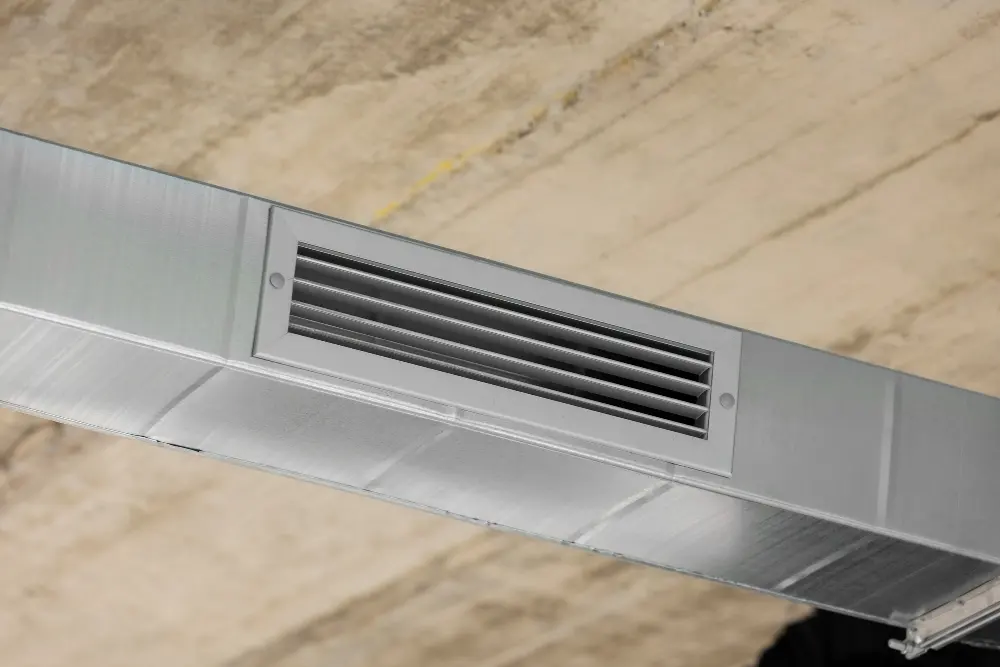
In ducted air conditioning systems, the network of ducts and vents is essential for distributing cool air throughout your home. However, leaks, blockages or dust build-up in these pathways can drastically reduce cooling performance. Check your vents for visible dust or obstructions, and listen out for unusual sounds that might indicate a blockage or air leak. If your energy bills are unusually high or rooms aren’t cooling evenly, these could be signs of ductwork problems. It’s best to call in a professional to assess and seal any leaks, remove debris, and ensure the airflow is properly balanced across your home.
6. Don’t Overwork the System
It’s tempting to set the thermostat as low as it can go on a hot day, hoping to cool the house faster. However, this doesn’t speed up the cooling process—it simply causes the system to work harder and consume more energy. A more efficient approach is to aim for a steady, moderate temperature that balances comfort and cost.
7. Keep Windows and Doors Closed
This may sound obvious, but it’s a common oversight—especially in busy households. Open windows and doors allow warm, humid air to enter, forcing your air conditioner to work harder to maintain the set temperature. This not only affects comfort but also leads to higher energy use.
Final Thoughts
Taking care of your air conditioning system is one of the best ways to ensure your home remains cool and comfortable during warmer months. With a combination of basic DIY maintenance and annual professional servicing, you’ll enjoy cleaner air, lower bills and fewer unexpected repairs. If you’re looking for expert air conditioning support in Eltham or the wider South East area, the experienced team at JK Cooling is here to help—get in touch today to book your next service or inspection.
Related articles
What type of property do you have?
Semi-Detached
Detached
Terraced
Bungalow
Flat
Commercial or Small Office
At a glance
Investing in a home air conditioner is only the first step. To keep it running efficiently and extend its lifespan, regular maintenance is essential.
Keeping your home air conditioning system in good working order doesn’t have to be complicated—but it does require some attention throughout the year. Regular maintenance not only ensures a comfortable living space during the warmer months but also extends the life of your system and reduces your energy bills. Here are seven essential air conditioning maintenance tips every homeowner should know.
1. Clean or Replace Air Filters Every 1–3 Months
Air filters play a crucial role in maintaining indoor air quality and system efficiency. Over time, filters can become clogged with dust, pet hair, pollen and general household debris. When this happens, your system has to work harder to pull air through, consuming more energy and delivering less effective cooling. During periods of high use—particularly in summer—it’s best to check your filters monthly. If your system uses reusable filters, give them a good clean with water and allow them to dry completely before reinstalling. For disposable filters, make sure they’re replaced every 1–3 months, depending on usage and indoor conditions. A clean filter means better airflow, cleaner air, and reduced strain on your AC.
2. Keep Outdoor Units Clear
The outdoor condenser unit is just as important as the indoor components of your system. It requires clear airflow to function properly and release heat. In leafy areas like South London and Kent, fallen leaves and even overgrown shrubs can accumulate around the unit. These obstructions restrict airflow, making the system less efficient and more prone to overheating. Check the area around your outdoor unit regularly, especially after storms or windy days. Trim back any nearby vegetation and brush away debris from the vents and fins.
3. Schedule Annual Professional Servicing
Even if everything seems to be working well, it’s important to have your air conditioning unit professionally serviced at least once a year. A qualified engineer will inspect, clea, and fine-tune your system, catching potential issues before they become costly repairs. They’ll check refrigerant levels, test thermostat accuracy, examine electrical components, clean the coils, and ensure the system is operating safely and efficiently. This annual check-up is especially important for older systems, or if your air conditioner runs frequently throughout the warmer months.
4. Check Thermostat Settings
Your thermostat is the brain of your air conditioning system. If it’s not calibrated properly, your home may feel warmer or cooler than expected—and your AC may run longer than it needs to. It’s worth checking that your thermostat is set to the correct temperature and that it’s switching between heating and cooling modes properly. If it’s battery-operated, replace the batteries once a year to avoid unexpected shutdowns. Programmable thermostats are especially helpful for managing your home’s temperature efficiently throughout the day. Set them to slightly higher temperatures when you’re out, and cooler just before you return home to save energy without sacrificing comfort.
What type of property do you have?
Semi-Detached
Detached
Terraced
Bungalow
Flat
Commercial or Small Office
It just takes 60 Seconds
And then you can book a free consultation
5. Inspect Ductwork and Vents
In ducted air conditioning systems, the network of ducts and vents is essential for distributing cool air throughout your home. However, leaks, blockages or dust build-up in these pathways can drastically reduce cooling performance. Check your vents for visible dust or obstructions, and listen out for unusual sounds that might indicate a blockage or air leak. If your energy bills are unusually high or rooms aren’t cooling evenly, these could be signs of ductwork problems. It’s best to call in a professional to assess and seal any leaks, remove debris, and ensure the airflow is properly balanced across your home.
6. Don’t Overwork the System
It’s tempting to set the thermostat as low as it can go on a hot day, hoping to cool the house faster. However, this doesn’t speed up the cooling process—it simply causes the system to work harder and consume more energy. A more efficient approach is to aim for a steady, moderate temperature that balances comfort and cost.
7. Keep Windows and Doors Closed
This may sound obvious, but it’s a common oversight—especially in busy households. Open windows and doors allow warm, humid air to enter, forcing your air conditioner to work harder to maintain the set temperature. This not only affects comfort but also leads to higher energy use.
Final Thoughts
Taking care of your air conditioning system is one of the best ways to ensure your home remains cool and comfortable during warmer months. With a combination of basic DIY maintenance and annual professional servicing, you’ll enjoy cleaner air, lower bills and fewer unexpected repairs. If you’re looking for expert air conditioning support in Eltham or the wider South East area, the experienced team at JK Cooling is here to help—get in touch today to book your next service or inspection.
Related articles
What type of property do you have?
Semi-Detached
Detached
Terraced
Bungalow
Flat
Commercial or Small Office