Why Split and Ducted Systems Can Manage Moisture Differently
Compare split and ducted air conditioning systems to understand how airflow, installation choices and humidity affect comfort in Eltham homes.

Why you can trust our content
Our team is fully trained, qualified and highly experienced in the air conditioning industry.

Frequently Asked Questions
Choosing air conditioning involves more than deciding how quickly you want a room to cool down. If your home sometimes feels sticky, condensation appears on the windows or certain rooms remain uncomfortable, the way a system circulates air can also influence your experience.
Split and ducted air conditioning systems can both cool a property and remove some moisture from indoor air. However, they distribute air differently, operate across different areas and offer different levels of room-by-room control. These differences can affect how consistently comfortable a home feels.
Understanding how each system works can help you decide which arrangement is better suited to your property, particularly if humidity management is as important to you as temperature control.
How Do Split and Ducted Air Conditioning Systems Work?
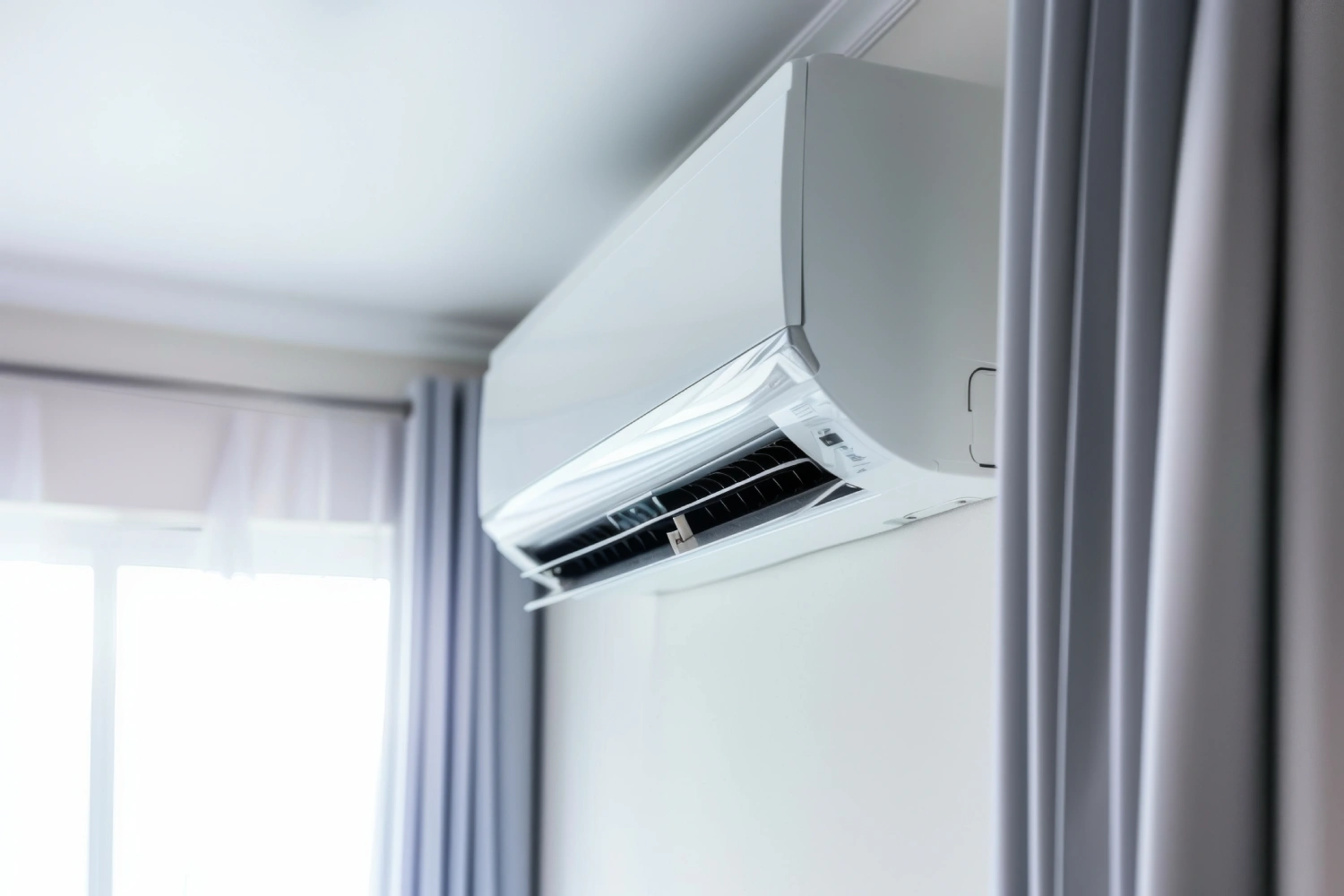
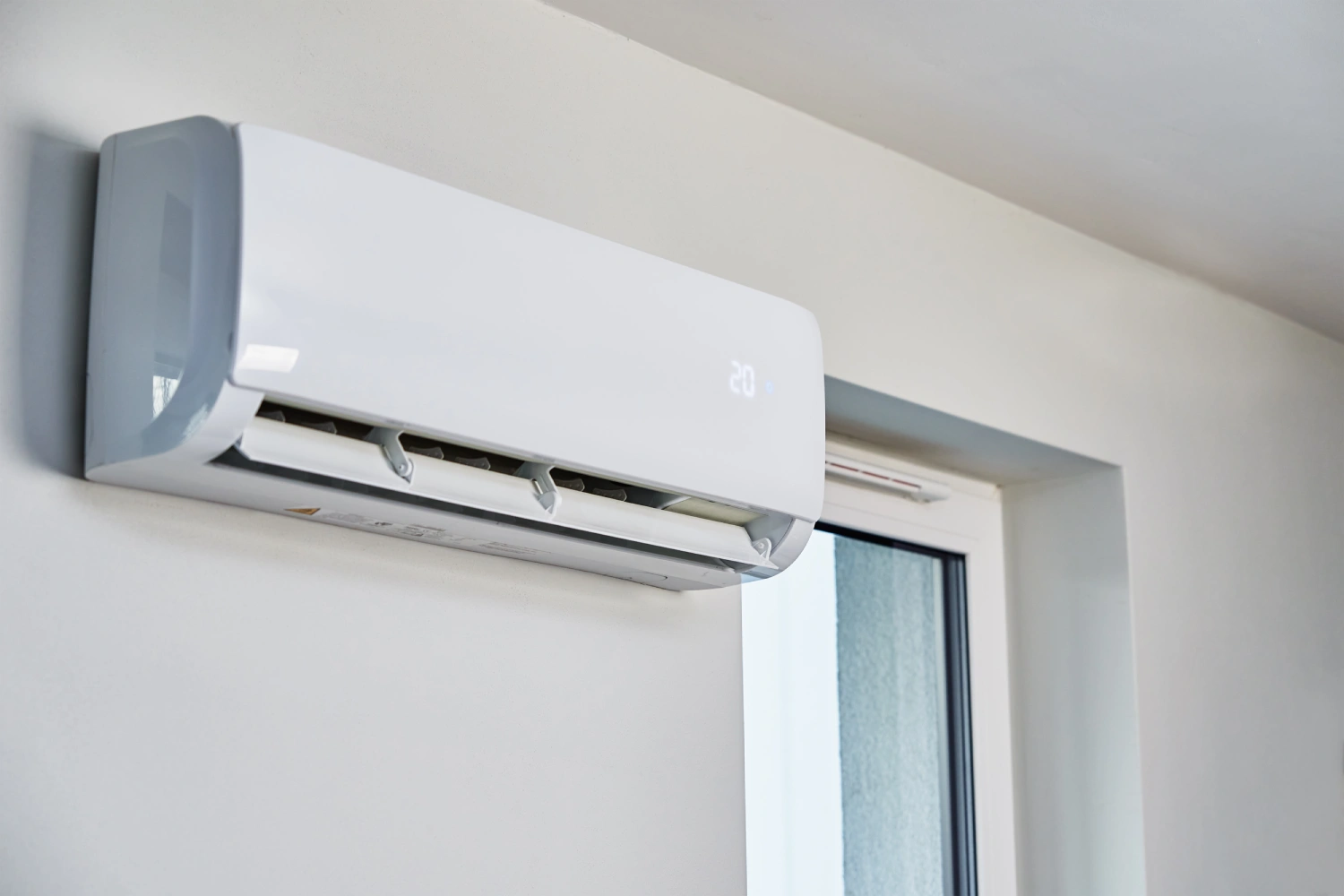
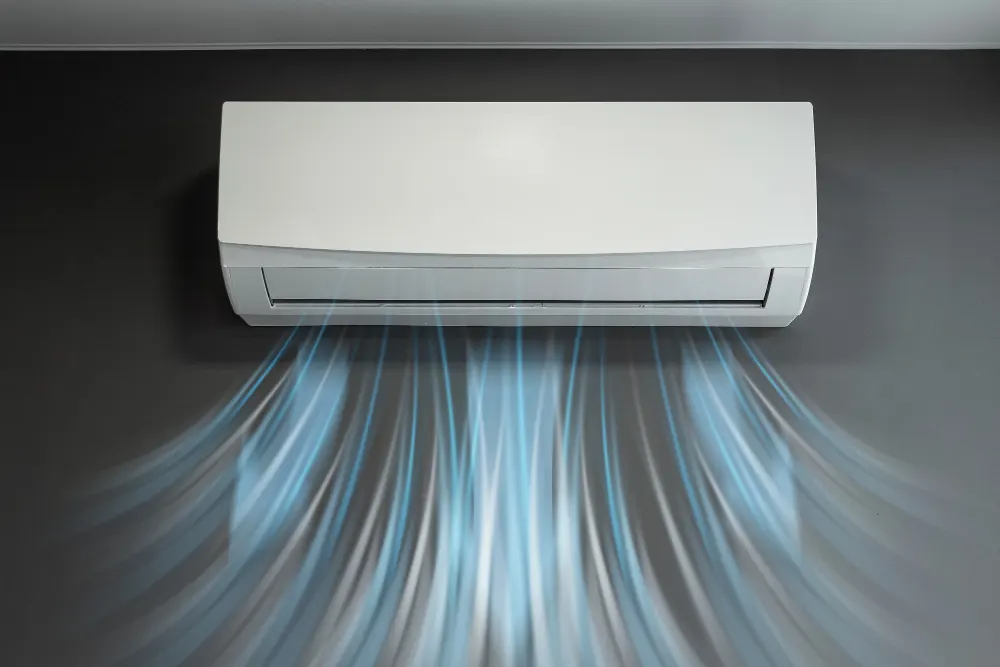
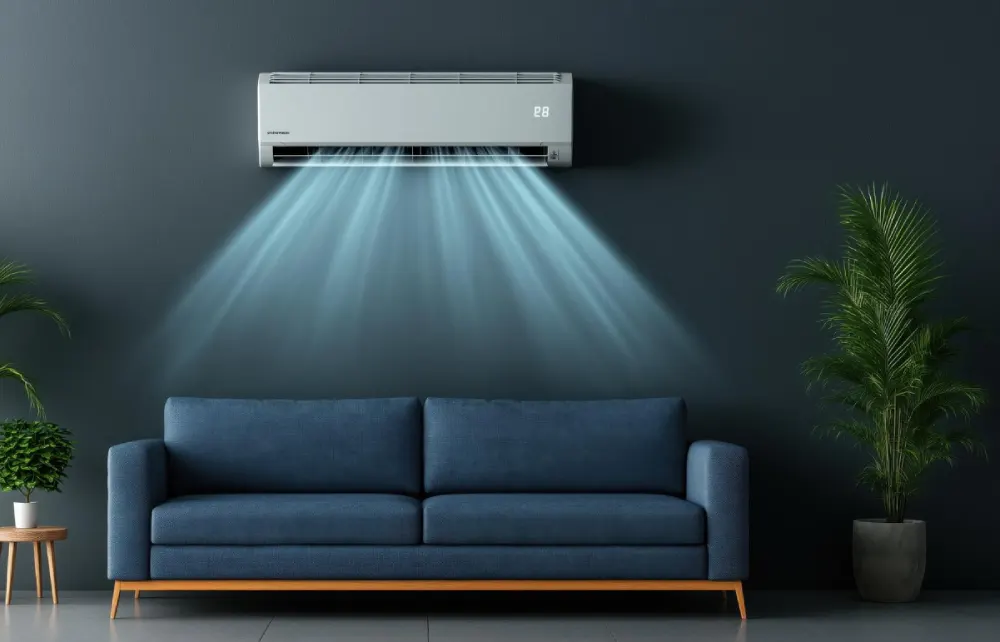
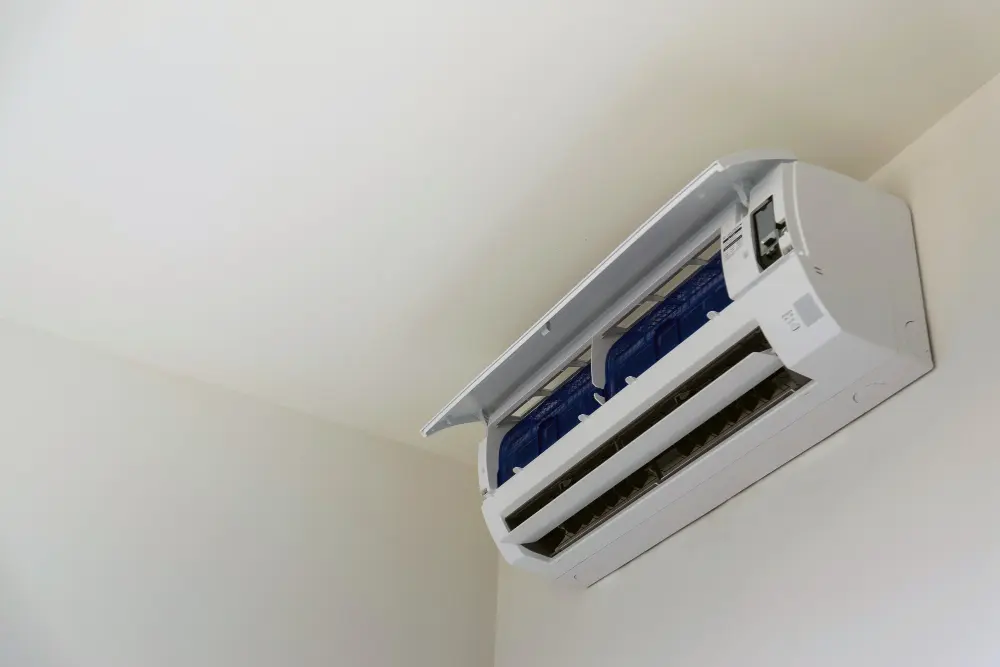
A split system generally consists of an indoor unit connected to an outdoor unit. The indoor unit cools and circulates air within a particular room or designated area, while the outdoor unit releases the heat collected from indoors.
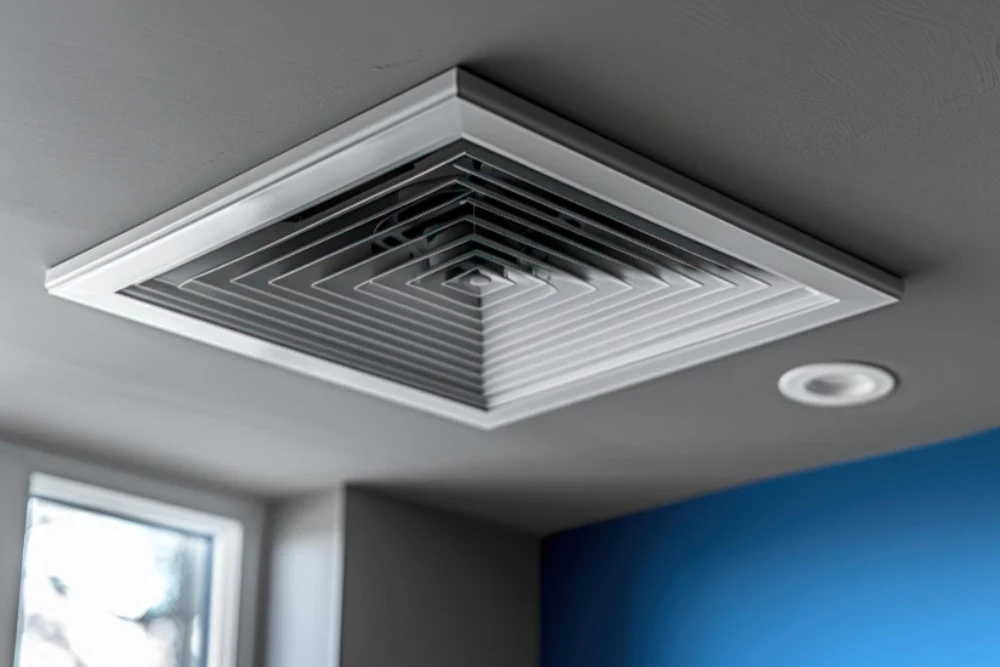
A ducted system uses a central indoor unit connected to a network of ducts. Conditioned air travels through the ductwork to outlets in different rooms, allowing one system to serve a larger part of the property.
Both systems commonly use a refrigeration cycle. During cooling, warm indoor air passes over a cold evaporator coil. When the coil temperature falls below the air’s dew point, water vapour condenses on its surface and drains away.
The main difference is how the cooled air reaches the rooms, not whether the system can remove moisture. Both arrangements can provide dehumidification, but actual results depend on system design, operating conditions, controls and the moisture load inside the property.
For homeowners, the important question is how effectively the proposed system will manage the conditions in the rooms that need attention.
Why Does Air Distribution Matter for Humidity Control?
Air distribution influences how evenly temperatures are maintained and how conditioned air reaches occupied areas. It can also affect how a system responds to changing cooling demand.
For example, a bedroom that receives direct afternoon sunlight may have a different cooling requirement from a shaded hallway. If airflow is poorly planned, some areas can remain warm while others reach the desired temperature quickly.
Humidity management can be affected by the same imbalance. A system may cool the area around its temperature sensor while other rooms remain uncomfortable.
Several factors deserve attention:
- Room layout: Walls, closed doors and furniture can affect how air moves.
- Sunlight exposure: Rooms with large or sun-facing windows may gain heat more quickly.
- Moisture sources: Bathrooms, kitchens and laundry areas can introduce moisture into the home.
- System controls: The location of sensors and the availability of zoning influence how the equipment responds.
- Operating cycles: A system that reaches its target temperature quickly may have limited time to remove moisture during some conditions.
These factors explain why simply selecting a more powerful unit does not necessarily produce better humidity control.
Can a Split System Provide Better Control in Individual Rooms?
A split system can be useful when particular rooms need cooling more often than others. For example, a bedroom may become uncomfortable at night while the rest of the property remains at a reasonable temperature.
Because the indoor unit serves a defined area, the user can usually adjust its settings without cooling the entire home. This can provide flexibility when occupancy patterns vary.
Split systems may suit properties where:
- One or two rooms experience most of the heat build-up.
- Bedrooms need independent temperature settings.
- There is limited space for ductwork.
- The household wants to cool selected areas rather than the whole property.
- Installation needs to be adapted to an existing building.
However, a single split system cannot automatically maintain consistent conditions throughout every room. Its reach depends on the layout, indoor unit position and airflow path.
A split system still removes moisture primarily when its cooling coil operates under suitable conditions. If it is oversized for the room or switches off soon after reaching the temperature setting, humidity reduction may be less effective than expected.
Correct equipment selection and appropriate control settings are therefore important.
How Can Ducted Air Conditioning Affect Moisture Across the Home?
Ducted air conditioning distributes conditioned air through outlets connected to a central system. This can make it suitable for properties where several rooms need cooling and the homeowner wants a more integrated installation.
When the ductwork, system capacity and controls are properly designed, ducted air conditioning can provide consistent cooling across multiple areas. Zoning, where available, allows different parts of the property to be controlled separately.
However, whole-home distribution does not automatically mean better dehumidification. A central system must be designed around the property’s combined cooling demand, the needs of individual rooms and the way air returns to the indoor unit.
Potential considerations include:
- Duct design: Poorly planned duct routes or air distribution can create uneven temperatures.
- Zoning: Independent controls can help avoid cooling unoccupied areas unnecessarily.
- Return airflow: Air needs a suitable path back to the system for effective circulation.
- Humidity load: Moisture produced in one room may need separate extraction rather than relying on central cooling.
- System sizing: Capacity should match the building’s heat gains and intended operating pattern.
Bathrooms and kitchens still need appropriate extraction ventilation. A ducted air conditioner should not be assumed to remove all household moisture simply because it serves several rooms.
Split vs Ducted Systems: What Are the Main Differences?
The most suitable option depends on how much of the property needs cooling, how the rooms are used and the installation constraints.
| Consideration | Split system | Ducted system |
|---|---|---|
| Areas served | Usually one room or a defined area per indoor unit | Multiple rooms through a duct network |
| Temperature control | Often straightforward for the area served | Can offer room or zone control when designed accordingly |
| Moisture removal | Depends on coil operation, runtime and room conditions | Depends on central system operation, airflow and humidity load |
| Installation space | Requires space for indoor and outdoor units | Requires suitable space for the indoor unit and ductwork |
| Visual appearance | Indoor units remain visible on walls or ceilings | Most distribution components are concealed |
| Maintenance | Filters and indoor units need regular attention | Filters, ductwork, outlets and central equipment may need attention |
| Typical suitability | Selected rooms or smaller cooling zones | Whole-home or multi-room cooling requirements |
Neither system is automatically superior for humidity control. A well-designed split installation may be the sensible option for a specific problem room, while a properly planned ducted system may suit a property where several rooms need coordinated cooling.
The comparison should be based on the building’s requirements rather than assumptions about the technology.
How Do Installation Costs Compare With Long-Term Comfort?
Installation cost depends on the equipment, the number of rooms served, the complexity of the work and the property itself.
When comparing split system air conditioning cost Eltham homeowners should consider the number of indoor units required, pipework routes, electrical requirements and access to the outdoor unit.
Ducted installations can involve additional work because they require suitable routes for ducts, outlets and return air. Ceiling voids, loft access, structural restrictions and the number of zones can all influence the scope.
The ducted air conditioning installation cost may also vary according to the system’s capacity, control options, insulation requirements and the amount of building work needed.
A lower initial quotation is not necessarily the better long-term option if the proposed system cannot serve the required rooms effectively.
Before making a decision, compare:
- The rooms and areas included in the quotation.
- The method used to calculate the required cooling capacity.
- The number of zones or independent controls provided.
- Condensate drainage arrangements.
- The expected maintenance requirements.
- The equipment warranty and installation terms.
- Any additional electrical, access or building work.
If you are comparing systems for your property, contact JK Cooling Solutions to discuss your layout, comfort priorities and the practical requirements of installation.
Can Either System Solve Persistent Condensation?
Air conditioning can help when excessive indoor humidity contributes to condensation, but it cannot guarantee that condensation will disappear.
Condensation forms when moist air comes into contact with a surface that is cold enough for water vapour to condense. This commonly affects windows and colder external walls during cooler weather.
If condensation is persistent, the underlying conditions should be investigated. Possible contributors include:
- Inadequate kitchen or bathroom extraction.
- Drying laundry indoors without sufficient ventilation.
- Cold window surfaces or poorly insulated areas.
- Excess moisture entering the property.
- Faulty heating, ventilation or cooling equipment.
- Leaks or other building defects.
A split system may help manage conditions in a particular room, while ducted cooling may address temperature differences across a wider area. However, neither arrangement replaces effective moisture extraction or repairs to a leaking pipe or defective building element.
A separate dehumidifier may also be useful when humidity is the main concern and additional cooling is unnecessary.
What Should an Installer Assess Before Recommending a System?
A suitable installation begins with understanding the building rather than choosing equipment based on floor area alone.
An installer should consider room dimensions, ceiling heights, glazing, sunlight exposure, insulation, occupancy and the intended use of each space. Humidity concerns should also be discussed, including when the problem occurs and whether there are signs of condensation or damp.
Useful questions to ask include:
- How will the required cooling capacity be calculated?
- Will the proposed system provide adequate airflow to the rooms concerned?
- Can individual areas be controlled independently?
- How will condensate be collected and drained?
- Is additional ventilation needed in moisture-producing rooms?
- What routine maintenance will be required?
- What limitations should be expected during cooler weather?
These questions help establish whether the proposed arrangement addresses the actual source of discomfort.
If you are planning a new installation, speak to JK Cooling Solutions for advice on choosing an appropriate system for your home and its cooling requirements.
Related articles


What type of property do you have?

Semi-Detached

Detached

Terraced

Bungalow

Flat

Commercial or Small Office
Frequently Asked Questions
Choosing air conditioning involves more than deciding how quickly you want a room to cool down. If your home sometimes feels sticky, condensation appears on the windows or certain rooms remain uncomfortable, the way a system circulates air can also influence your experience.
Split and ducted air conditioning systems can both cool a property and remove some moisture from indoor air. However, they distribute air differently, operate across different areas and offer different levels of room-by-room control. These differences can affect how consistently comfortable a home feels.
Understanding how each system works can help you decide which arrangement is better suited to your property, particularly if humidity management is as important to you as temperature control.
How Do Split and Ducted Air Conditioning Systems Work?
A split system generally consists of an indoor unit connected to an outdoor unit. The indoor unit cools and circulates air within a particular room or designated area, while the outdoor unit releases the heat collected from indoors.
A ducted system uses a central indoor unit connected to a network of ducts. Conditioned air travels through the ductwork to outlets in different rooms, allowing one system to serve a larger part of the property.
Both systems commonly use a refrigeration cycle. During cooling, warm indoor air passes over a cold evaporator coil. When the coil temperature falls below the air’s dew point, water vapour condenses on its surface and drains away.
The main difference is how the cooled air reaches the rooms, not whether the system can remove moisture. Both arrangements can provide dehumidification, but actual results depend on system design, operating conditions, controls and the moisture load inside the property.
For homeowners, the important question is how effectively the proposed system will manage the conditions in the rooms that need attention.
Why Does Air Distribution Matter for Humidity Control?
Air distribution influences how evenly temperatures are maintained and how conditioned air reaches occupied areas. It can also affect how a system responds to changing cooling demand.
For example, a bedroom that receives direct afternoon sunlight may have a different cooling requirement from a shaded hallway. If airflow is poorly planned, some areas can remain warm while others reach the desired temperature quickly.
Humidity management can be affected by the same imbalance. A system may cool the area around its temperature sensor while other rooms remain uncomfortable.
Several factors deserve attention:
- Room layout: Walls, closed doors and furniture can affect how air moves.
- Sunlight exposure: Rooms with large or sun-facing windows may gain heat more quickly.
- Moisture sources: Bathrooms, kitchens and laundry areas can introduce moisture into the home.
- System controls: The location of sensors and the availability of zoning influence how the equipment responds.
- Operating cycles: A system that reaches its target temperature quickly may have limited time to remove moisture during some conditions.
These factors explain why simply selecting a more powerful unit does not necessarily produce better humidity control.
Can a Split System Provide Better Control in Individual Rooms?
A split system can be useful when particular rooms need cooling more often than others. For example, a bedroom may become uncomfortable at night while the rest of the property remains at a reasonable temperature.
Because the indoor unit serves a defined area, the user can usually adjust its settings without cooling the entire home. This can provide flexibility when occupancy patterns vary.
Split systems may suit properties where:
- One or two rooms experience most of the heat build-up.
- Bedrooms need independent temperature settings.
- There is limited space for ductwork.
- The household wants to cool selected areas rather than the whole property.
- Installation needs to be adapted to an existing building.
However, a single split system cannot automatically maintain consistent conditions throughout every room. Its reach depends on the layout, indoor unit position and airflow path.
A split system still removes moisture primarily when its cooling coil operates under suitable conditions. If it is oversized for the room or switches off soon after reaching the temperature setting, humidity reduction may be less effective than expected.
Correct equipment selection and appropriate control settings are therefore important.
How Can Ducted Air Conditioning Affect Moisture Across the Home?
Ducted air conditioning distributes conditioned air through outlets connected to a central system. This can make it suitable for properties where several rooms need cooling and the homeowner wants a more integrated installation.
When the ductwork, system capacity and controls are properly designed, ducted air conditioning can provide consistent cooling across multiple areas. Zoning, where available, allows different parts of the property to be controlled separately.
However, whole-home distribution does not automatically mean better dehumidification. A central system must be designed around the property’s combined cooling demand, the needs of individual rooms and the way air returns to the indoor unit.
Potential considerations include:
- Duct design: Poorly planned duct routes or air distribution can create uneven temperatures.
- Zoning: Independent controls can help avoid cooling unoccupied areas unnecessarily.
- Return airflow: Air needs a suitable path back to the system for effective circulation.
- Humidity load: Moisture produced in one room may need separate extraction rather than relying on central cooling.
- System sizing: Capacity should match the building’s heat gains and intended operating pattern.
Bathrooms and kitchens still need appropriate extraction ventilation. A ducted air conditioner should not be assumed to remove all household moisture simply because it serves several rooms.
Split vs Ducted Systems: What Are the Main Differences?
The most suitable option depends on how much of the property needs cooling, how the rooms are used and the installation constraints.
| Consideration | Split system | Ducted system |
|---|---|---|
| Areas served | Usually one room or a defined area per indoor unit | Multiple rooms through a duct network |
| Temperature control | Often straightforward for the area served | Can offer room or zone control when designed accordingly |
| Moisture removal | Depends on coil operation, runtime and room conditions | Depends on central system operation, airflow and humidity load |
| Installation space | Requires space for indoor and outdoor units | Requires suitable space for the indoor unit and ductwork |
| Visual appearance | Indoor units remain visible on walls or ceilings | Most distribution components are concealed |
| Maintenance | Filters and indoor units need regular attention | Filters, ductwork, outlets and central equipment may need attention |
| Typical suitability | Selected rooms or smaller cooling zones | Whole-home or multi-room cooling requirements |
Neither system is automatically superior for humidity control. A well-designed split installation may be the sensible option for a specific problem room, while a properly planned ducted system may suit a property where several rooms need coordinated cooling.
The comparison should be based on the building’s requirements rather than assumptions about the technology.
How Do Installation Costs Compare With Long-Term Comfort?
Installation cost depends on the equipment, the number of rooms served, the complexity of the work and the property itself.
When comparing split system air conditioning cost Eltham homeowners should consider the number of indoor units required, pipework routes, electrical requirements and access to the outdoor unit.
Ducted installations can involve additional work because they require suitable routes for ducts, outlets and return air. Ceiling voids, loft access, structural restrictions and the number of zones can all influence the scope.
The ducted air conditioning installation cost may also vary according to the system’s capacity, control options, insulation requirements and the amount of building work needed.
A lower initial quotation is not necessarily the better long-term option if the proposed system cannot serve the required rooms effectively.
Before making a decision, compare:
- The rooms and areas included in the quotation.
- The method used to calculate the required cooling capacity.
- The number of zones or independent controls provided.
- Condensate drainage arrangements.
- The expected maintenance requirements.
- The equipment warranty and installation terms.
- Any additional electrical, access or building work.
If you are comparing systems for your property, contact JK Cooling Solutions to discuss your layout, comfort priorities and the practical requirements of installation.
Can Either System Solve Persistent Condensation?
Air conditioning can help when excessive indoor humidity contributes to condensation, but it cannot guarantee that condensation will disappear.
Condensation forms when moist air comes into contact with a surface that is cold enough for water vapour to condense. This commonly affects windows and colder external walls during cooler weather.
If condensation is persistent, the underlying conditions should be investigated. Possible contributors include:
- Inadequate kitchen or bathroom extraction.
- Drying laundry indoors without sufficient ventilation.
- Cold window surfaces or poorly insulated areas.
- Excess moisture entering the property.
- Faulty heating, ventilation or cooling equipment.
- Leaks or other building defects.
A split system may help manage conditions in a particular room, while ducted cooling may address temperature differences across a wider area. However, neither arrangement replaces effective moisture extraction or repairs to a leaking pipe or defective building element.
A separate dehumidifier may also be useful when humidity is the main concern and additional cooling is unnecessary.
What Should an Installer Assess Before Recommending a System?
A suitable installation begins with understanding the building rather than choosing equipment based on floor area alone.
An installer should consider room dimensions, ceiling heights, glazing, sunlight exposure, insulation, occupancy and the intended use of each space. Humidity concerns should also be discussed, including when the problem occurs and whether there are signs of condensation or damp.
Useful questions to ask include:
- How will the required cooling capacity be calculated?
- Will the proposed system provide adequate airflow to the rooms concerned?
- Can individual areas be controlled independently?
- How will condensate be collected and drained?
- Is additional ventilation needed in moisture-producing rooms?
- What routine maintenance will be required?
- What limitations should be expected during cooler weather?
These questions help establish whether the proposed arrangement addresses the actual source of discomfort.
If you are planning a new installation, speak to JK Cooling Solutions for advice on choosing an appropriate system for your home and its cooling requirements.
Related articles
What type of property do you have?
Semi-Detached
Detached
Terraced
Bungalow
Flat
Commercial or Small Office