Summer Quote Timing: Why Early Air Con Planning Saves Stress
Planning air conditioning in Eltham? Discover why requesting quotes early helps you compare systems, understand installation costs and prepare for summer.

Why you can trust our content
Our team is fully trained, qualified and highly experienced in the air conditioning industry.

Frequently Asked Questions
When the first genuinely warm days arrive, many homeowners begin thinking about air conditioning for the first time in months. A bedroom that feels comfortable in spring may become difficult to sleep in, while a home office or open-plan living area can quickly become unpleasant during the afternoon.
If you are considering a new system, waiting until the heat becomes uncomfortable can make the process feel rushed. You may have less flexibility when arranging assessments, fewer convenient installation dates and limited time to compare the available options.
Requesting an air con installation quote in Eltham before peak summer demand gives you more opportunity to understand the work involved, compare suitable equipment and plan around your household’s needs. The objective is not simply to book the earliest available appointment. It is to make an informed decision before cooling becomes urgent.
Why should you request an air conditioning quote early?
An early quotation gives you a clearer picture of what your property needs and what the proposed installation may involve. It also helps identify practical issues that could affect the schedule, such as restricted access, additional electrical work or the need for a more detailed assessment.
There are several reasons to start planning before temperatures rise:
- More time to compare options: You can review equipment specifications, installation arrangements and overall costs without feeling pressured to decide immediately.
- Better scheduling flexibility: Requesting a quotation early gives you more time to discuss appointment availability.
- Earlier identification of property requirements: A site assessment may reveal access or installation challenges that need to be addressed.
- More realistic budgeting: Written quotations help you understand the expected expenditure before committing to the work.
- Fewer last-minute decisions: You can consider whether a single-room system, multi-split arrangement or ducted solution best suits your home.
Early planning does not guarantee lower prices or a particular installation date. Availability and costs still depend on the installer, equipment and complexity of the job. However, it can reduce the pressure of making decisions when your home is already too warm.
If you are thinking about installing air conditioning this summer, contact JK Cooling Solutions to discuss your requirements and arrange a quotation.
What information helps an installer prepare an accurate quote?
A useful quotation begins with a clear understanding of your property and the problems you want to solve. The more accurately these requirements are explained, the easier it is for an installer to assess the work involved.
Before requesting a quote, consider the following details:
| Information to provide | Why it helps |
|---|---|
| Rooms requiring cooling | Establishes the areas the system needs to serve |
| Approximate room dimensions | Provides an initial indication of the cooling requirements |
| Window size and sunlight exposure | Helps assess heat entering the room |
| Existing air conditioning equipment | Clarifies whether the project involves repair, replacement or a new installation |
| Preferred installation locations | Helps identify practical equipment positions and possible restrictions |
| Heating requirements | Establishes whether a heating and cooling system should be considered |
| Access limitations | Highlights potential challenges with pipework, equipment delivery or installation |
| Preferred installation period | Helps the installer discuss realistic scheduling options |
Room measurements and photographs may be useful during an initial conversation, but they do not necessarily replace a site assessment. The installer may need to inspect the property before confirming the equipment specification and final price.
It is also helpful to explain how you use the space. A bedroom occupied mainly at night may have different priorities from a home office used throughout the working day.
Do you need a site survey before receiving a final price?
Not every enquiry requires the same assessment process. An initial estimate may be possible using information about the property, but a site visit can be important when the installation involves several rooms, difficult access or significant changes to existing services.
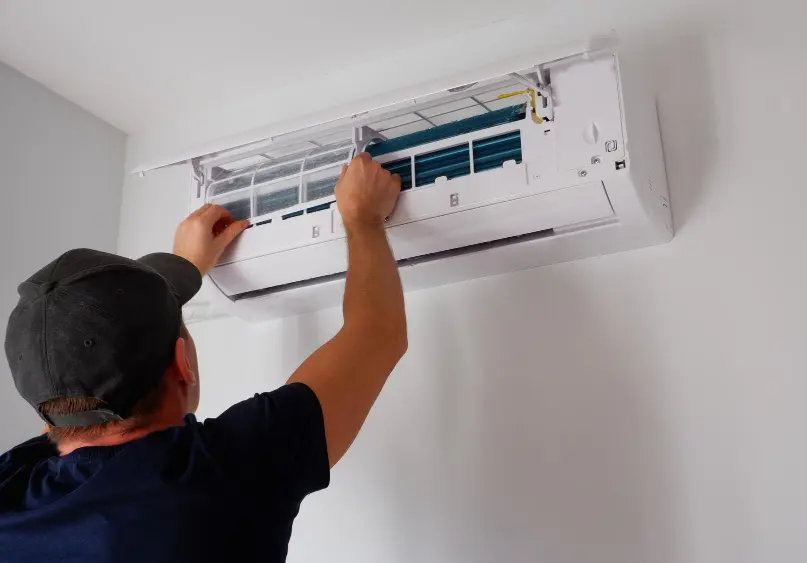
A site assessment helps the installer check the proposed unit locations, pipework routes, drainage arrangements and electrical requirements. It can also help establish whether the equipment has sufficient capacity for the intended space.
For example, two bedrooms with similar floor areas may need different cooling arrangements if one has large sun-facing windows and the other remains shaded for much of the day.
A proper assessment helps avoid relying on assumptions that could lead to unsuitable equipment or unexpected installation work.
Before arranging the appointment, ask whether the assessment is free or chargeable, what it covers and whether the resulting quotation includes all the work discussed.
How should you compare heating and air con quotes?
When reviewing heating and air con quotes, look beyond the total figure. Different proposals may recommend different equipment, include different materials or assume different amounts of installation work.
A lower price is not necessarily better value if important elements are excluded. Equally, a higher quotation should clearly explain what additional equipment, work or service it provides.
Use the following checklist when comparing proposals.
| Item to compare | Questions to ask |
|---|---|
| Equipment | Are the make, model and capacity clearly stated? |
| System design | Does the proposal cover the rooms you want to cool? |
| Installation labour | Is the work required for fitting the system included? |
| Pipework and drainage | Are the proposed routes and materials covered? |
| Electrical requirements | Is necessary electrical work included or listed separately? |
| Existing equipment | Does the price include removal and disposal where required? |
| Commissioning | Will the system be tested and its operation explained? |
| Warranty | What manufacturer and installation warranties apply? |
| Exclusions | What circumstances could lead to additional charges? |
| Payment terms | When are payments due, and what are the terms? |
Ask each installer to clarify anything that is unclear. A written breakdown makes it easier to compare equivalent proposals and understand what you are agreeing to.
Which air conditioning system should you quote for?
The system you choose affects both the installation price and how comfortably your home can be cooled. It is therefore worth exploring the available arrangements before committing to a particular model.
Single-split air conditioning
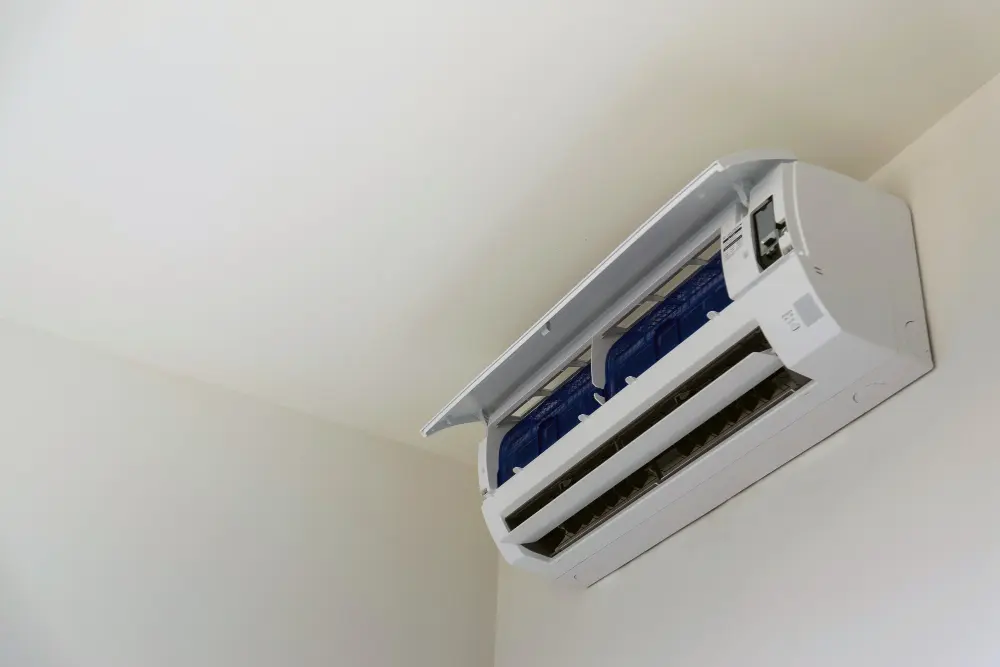
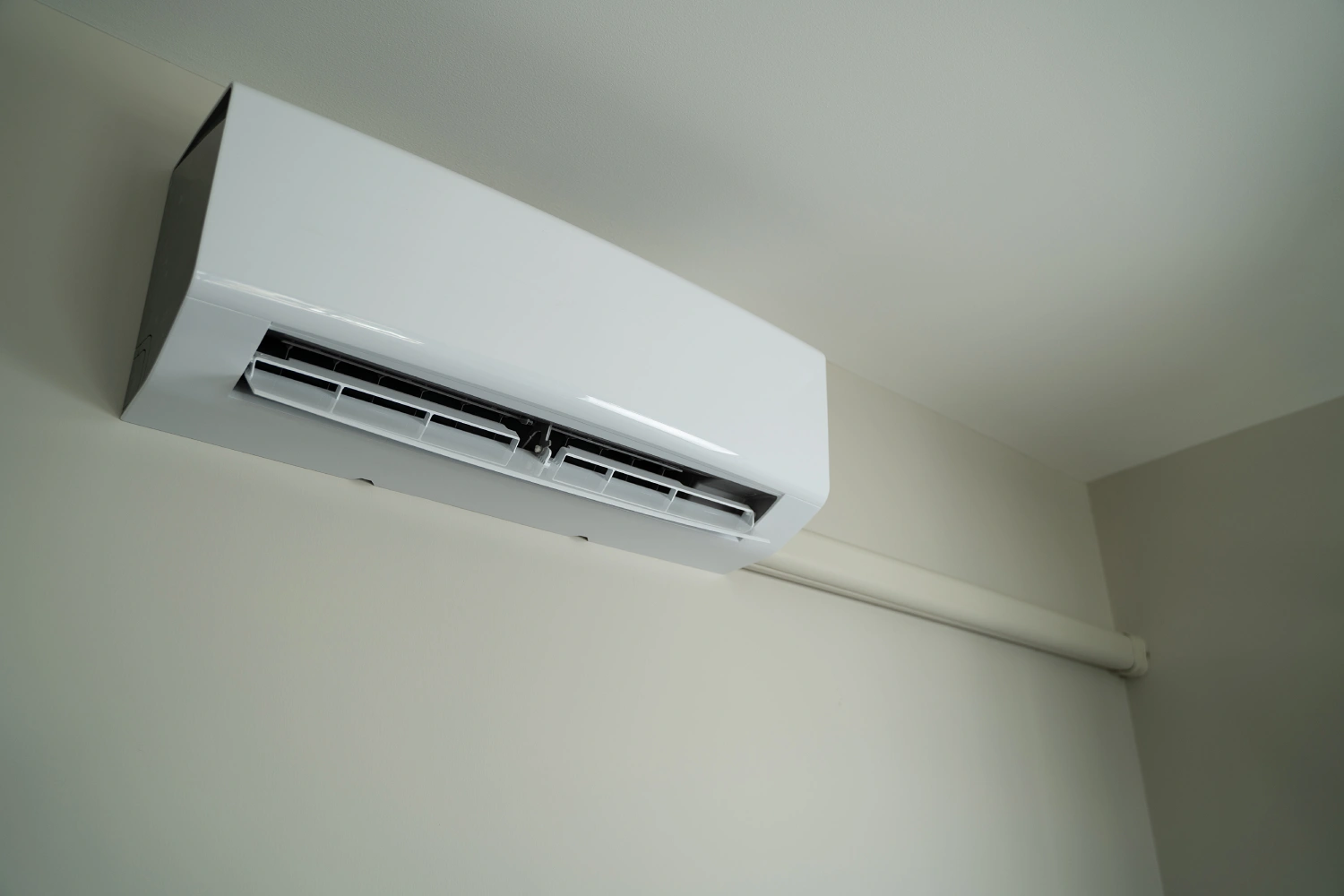
A single-split system uses one indoor unit connected to an outdoor unit. It can be suitable when a particular bedroom, living room or home office needs cooling but the rest of the property does not require the same level of temperature control.
Multi-split air conditioning
A multi-split system connects several indoor units to a shared outdoor unit, subject to the equipment’s design and capacity. It may be appropriate when multiple rooms need individual cooling without installing a separate outdoor unit for each one.
Ducted air conditioning
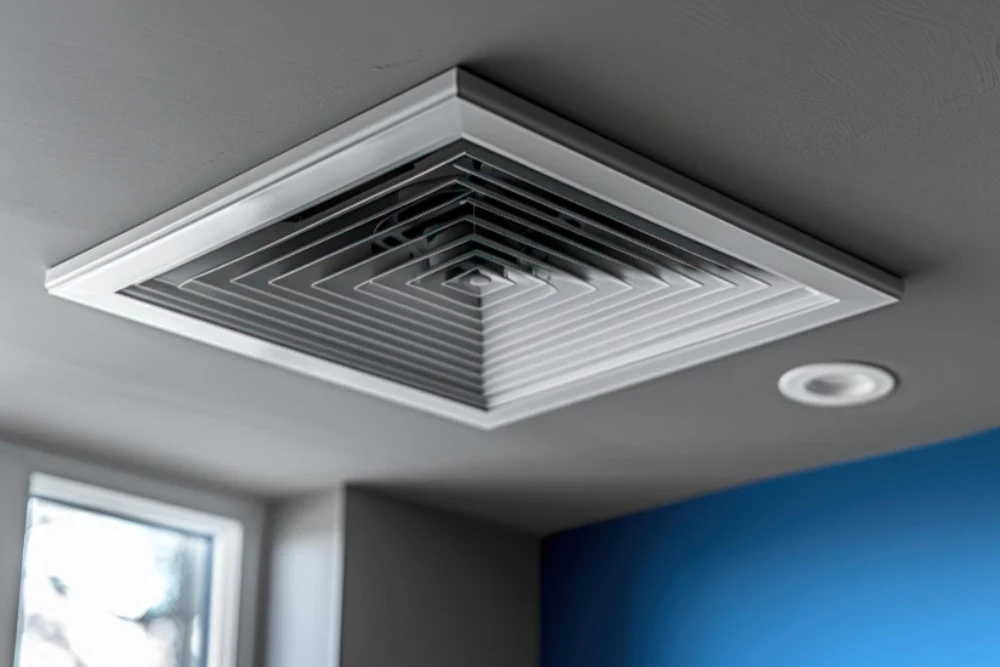
A ducted system distributes conditioned air through concealed ductwork to several rooms. It may suit homeowners who want a more discreet whole-home arrangement and whose property has suitable space for the equipment and ducts.
The best option depends on your property’s layout, cooling requirements, available installation space and budget. A quotation should explain why the recommended system is suitable rather than simply listing equipment and prices.
What can make an air conditioning quote more expensive than expected?
The equipment price is only one part of a complete installation. The amount of work required to fit the system can influence the final cost just as much as the model selected.
Common factors include:
- System capacity: Rooms with greater cooling requirements may need larger or different equipment.
- Pipework distance: Longer or more complicated routes can increase material and labour requirements.
- Access restrictions: Difficult access to indoor or outdoor installation locations may make the work more involved.
- Electrical changes: The existing supply may need assessment or additional work.
- Drainage arrangements: Condensate must be removed safely and effectively.
- Multiple rooms: Additional indoor units, controls and installation work can increase the total.
- Removal of old equipment: Replacing an existing system may involve extra labour and disposal arrangements.
- Additional building work: Making good openings or adapting installation routes may not be included in a standard quotation.
These factors explain why a price based only on the cost of a unit may not reflect the total investment. Ask the installer to identify assumptions, exclusions and potential additional charges before accepting the proposal.
Speak to JK Cooling Solutions about your property and ask for a tailored quotation that clearly explains the proposed equipment and installation work.
How can you avoid delays after accepting a quote?
Receiving a quotation is only one stage of the process. The installation may still depend on equipment availability, preparation work and appointment scheduling.
Once you are happy with a proposal, confirm the next steps in writing. Make sure you understand what needs to happen before installation and whether you are responsible for any preparation.
To keep the process organised:
- Confirm the equipment specification and the rooms being served.
- Check that the quotation includes the work discussed during the assessment.
- Agree on the installation date and expected timescale.
- Clarify any electrical, access or building preparations.
- Ask how changes to the agreed scope will be priced.
- Confirm the payment arrangements and relevant warranty details.
- Keep the quotation and installation correspondence for reference.
If you are comparing more than one installer, keep a record of what each proposal includes. This avoids making a decision based on figures that cover different work.
Booking early cannot remove every possible delay, but it gives you more time to coordinate the project before the busiest part of the cooling season.
Is it worth arranging a quote if you are not ready to install immediately?
Yes, provided you understand what the quotation covers and how long it remains valid. Exploring your options early can help you decide whether installation is worthwhile, which rooms to prioritise and how much preparation may be needed.
A quotation is also an opportunity to ask questions about system capacity, controls, maintenance and potential running costs. You can use that information to compare the proposed installation with your household’s requirements.
If you decide to wait, ask whether equipment prices or installation costs may change and whether the installer can offer any guidance on a suitable future timeframe. Do not assume that a quotation guarantees a particular price indefinitely or reserves an installation date.
Planning does not mean committing before you are ready. It means giving yourself enough information to make a confident decision.
Related articles





What type of property do you have?

Semi-Detached

Detached

Terraced

Bungalow

Flat

Commercial or Small Office
Frequently Asked Questions
When the first genuinely warm days arrive, many homeowners begin thinking about air conditioning for the first time in months. A bedroom that feels comfortable in spring may become difficult to sleep in, while a home office or open-plan living area can quickly become unpleasant during the afternoon.
If you are considering a new system, waiting until the heat becomes uncomfortable can make the process feel rushed. You may have less flexibility when arranging assessments, fewer convenient installation dates and limited time to compare the available options.
Requesting an air con installation quote in Eltham before peak summer demand gives you more opportunity to understand the work involved, compare suitable equipment and plan around your household’s needs. The objective is not simply to book the earliest available appointment. It is to make an informed decision before cooling becomes urgent.
Why should you request an air conditioning quote early?
An early quotation gives you a clearer picture of what your property needs and what the proposed installation may involve. It also helps identify practical issues that could affect the schedule, such as restricted access, additional electrical work or the need for a more detailed assessment.
There are several reasons to start planning before temperatures rise:
- More time to compare options: You can review equipment specifications, installation arrangements and overall costs without feeling pressured to decide immediately.
- Better scheduling flexibility: Requesting a quotation early gives you more time to discuss appointment availability.
- Earlier identification of property requirements: A site assessment may reveal access or installation challenges that need to be addressed.
- More realistic budgeting: Written quotations help you understand the expected expenditure before committing to the work.
- Fewer last-minute decisions: You can consider whether a single-room system, multi-split arrangement or ducted solution best suits your home.
Early planning does not guarantee lower prices or a particular installation date. Availability and costs still depend on the installer, equipment and complexity of the job. However, it can reduce the pressure of making decisions when your home is already too warm.
If you are thinking about installing air conditioning this summer, contact JK Cooling Solutions to discuss your requirements and arrange a quotation.
What information helps an installer prepare an accurate quote?
A useful quotation begins with a clear understanding of your property and the problems you want to solve. The more accurately these requirements are explained, the easier it is for an installer to assess the work involved.
Before requesting a quote, consider the following details:
| Information to provide | Why it helps |
|---|---|
| Rooms requiring cooling | Establishes the areas the system needs to serve |
| Approximate room dimensions | Provides an initial indication of the cooling requirements |
| Window size and sunlight exposure | Helps assess heat entering the room |
| Existing air conditioning equipment | Clarifies whether the project involves repair, replacement or a new installation |
| Preferred installation locations | Helps identify practical equipment positions and possible restrictions |
| Heating requirements | Establishes whether a heating and cooling system should be considered |
| Access limitations | Highlights potential challenges with pipework, equipment delivery or installation |
| Preferred installation period | Helps the installer discuss realistic scheduling options |
Room measurements and photographs may be useful during an initial conversation, but they do not necessarily replace a site assessment. The installer may need to inspect the property before confirming the equipment specification and final price.
It is also helpful to explain how you use the space. A bedroom occupied mainly at night may have different priorities from a home office used throughout the working day.
Do you need a site survey before receiving a final price?
Not every enquiry requires the same assessment process. An initial estimate may be possible using information about the property, but a site visit can be important when the installation involves several rooms, difficult access or significant changes to existing services.
A site assessment helps the installer check the proposed unit locations, pipework routes, drainage arrangements and electrical requirements. It can also help establish whether the equipment has sufficient capacity for the intended space.
For example, two bedrooms with similar floor areas may need different cooling arrangements if one has large sun-facing windows and the other remains shaded for much of the day.
A proper assessment helps avoid relying on assumptions that could lead to unsuitable equipment or unexpected installation work.
Before arranging the appointment, ask whether the assessment is free or chargeable, what it covers and whether the resulting quotation includes all the work discussed.
How should you compare heating and air con quotes?
When reviewing heating and air con quotes, look beyond the total figure. Different proposals may recommend different equipment, include different materials or assume different amounts of installation work.
A lower price is not necessarily better value if important elements are excluded. Equally, a higher quotation should clearly explain what additional equipment, work or service it provides.
Use the following checklist when comparing proposals.
| Item to compare | Questions to ask |
|---|---|
| Equipment | Are the make, model and capacity clearly stated? |
| System design | Does the proposal cover the rooms you want to cool? |
| Installation labour | Is the work required for fitting the system included? |
| Pipework and drainage | Are the proposed routes and materials covered? |
| Electrical requirements | Is necessary electrical work included or listed separately? |
| Existing equipment | Does the price include removal and disposal where required? |
| Commissioning | Will the system be tested and its operation explained? |
| Warranty | What manufacturer and installation warranties apply? |
| Exclusions | What circumstances could lead to additional charges? |
| Payment terms | When are payments due, and what are the terms? |
Ask each installer to clarify anything that is unclear. A written breakdown makes it easier to compare equivalent proposals and understand what you are agreeing to.
Which air conditioning system should you quote for?
The system you choose affects both the installation price and how comfortably your home can be cooled. It is therefore worth exploring the available arrangements before committing to a particular model.
Single-split air conditioning
A single-split system uses one indoor unit connected to an outdoor unit. It can be suitable when a particular bedroom, living room or home office needs cooling but the rest of the property does not require the same level of temperature control.
Multi-split air conditioning
A multi-split system connects several indoor units to a shared outdoor unit, subject to the equipment’s design and capacity. It may be appropriate when multiple rooms need individual cooling without installing a separate outdoor unit for each one.
Ducted air conditioning
A ducted system distributes conditioned air through concealed ductwork to several rooms. It may suit homeowners who want a more discreet whole-home arrangement and whose property has suitable space for the equipment and ducts.
The best option depends on your property’s layout, cooling requirements, available installation space and budget. A quotation should explain why the recommended system is suitable rather than simply listing equipment and prices.
What can make an air conditioning quote more expensive than expected?
The equipment price is only one part of a complete installation. The amount of work required to fit the system can influence the final cost just as much as the model selected.
Common factors include:
- System capacity: Rooms with greater cooling requirements may need larger or different equipment.
- Pipework distance: Longer or more complicated routes can increase material and labour requirements.
- Access restrictions: Difficult access to indoor or outdoor installation locations may make the work more involved.
- Electrical changes: The existing supply may need assessment or additional work.
- Drainage arrangements: Condensate must be removed safely and effectively.
- Multiple rooms: Additional indoor units, controls and installation work can increase the total.
- Removal of old equipment: Replacing an existing system may involve extra labour and disposal arrangements.
- Additional building work: Making good openings or adapting installation routes may not be included in a standard quotation.
These factors explain why a price based only on the cost of a unit may not reflect the total investment. Ask the installer to identify assumptions, exclusions and potential additional charges before accepting the proposal.
Speak to JK Cooling Solutions about your property and ask for a tailored quotation that clearly explains the proposed equipment and installation work.
How can you avoid delays after accepting a quote?
Receiving a quotation is only one stage of the process. The installation may still depend on equipment availability, preparation work and appointment scheduling.
Once you are happy with a proposal, confirm the next steps in writing. Make sure you understand what needs to happen before installation and whether you are responsible for any preparation.
To keep the process organised:
- Confirm the equipment specification and the rooms being served.
- Check that the quotation includes the work discussed during the assessment.
- Agree on the installation date and expected timescale.
- Clarify any electrical, access or building preparations.
- Ask how changes to the agreed scope will be priced.
- Confirm the payment arrangements and relevant warranty details.
- Keep the quotation and installation correspondence for reference.
If you are comparing more than one installer, keep a record of what each proposal includes. This avoids making a decision based on figures that cover different work.
Booking early cannot remove every possible delay, but it gives you more time to coordinate the project before the busiest part of the cooling season.
Is it worth arranging a quote if you are not ready to install immediately?
Yes, provided you understand what the quotation covers and how long it remains valid. Exploring your options early can help you decide whether installation is worthwhile, which rooms to prioritise and how much preparation may be needed.
A quotation is also an opportunity to ask questions about system capacity, controls, maintenance and potential running costs. You can use that information to compare the proposed installation with your household’s requirements.
If you decide to wait, ask whether equipment prices or installation costs may change and whether the installer can offer any guidance on a suitable future timeframe. Do not assume that a quotation guarantees a particular price indefinitely or reserves an installation date.
Planning does not mean committing before you are ready. It means giving yourself enough information to make a confident decision.
Related articles
What type of property do you have?
Semi-Detached
Detached
Terraced
Bungalow
Flat
Commercial or Small Office