How to Choose a New Air Conditioner for a Customer-Facing Space
Choosing the right air conditioning system depends on your business space, usage and comfort requirements. A professional assessment can help identify the most suitable and efficient solution.

Why you can trust our content
Our team is fully trained, qualified and highly experienced in the air conditioning industry.

At a glance
Choosing air conditioning for a customer-facing business is about more than keeping a room cool. Shops, salons, clinics, reception areas and small offices all have different patterns of occupancy, equipment, lighting and door movement that can affect indoor temperatures.
The right system should provide comfortable conditions without creating excessive noise, uncomfortable airflow or unnecessary running costs. It also needs to fit sensibly within the property and work around the way the business operates.
If you are comparing a new air conditioner Eltham businesses can use throughout the year, it is worth considering the room itself, how customers use it and what the system needs to achieve before looking at specific models.
What should you consider before choosing an air conditioner?
The first step is to understand the space that needs conditioning. A room with large windows and strong afternoon sunlight can have very different cooling requirements from an enclosed office of the same size.
Important considerations include:
These details help an installer establish the appropriate system capacity and configuration.
A unit that looks suitable on paper may not perform as expected if the actual heat load of the room has not been considered.
If you are unsure which system would suit your premises, contact JK Cooling Solutions for practical guidance. A proper assessment can help you understand your options before you commit to an installation.
How important is correct sizing?
Correct sizing is one of the most important parts of choosing air conditioning. The system needs enough capacity to deal with the heat entering and being generated within the room, but bigger is not automatically better.
An undersized unit may struggle during particularly warm periods and run for long periods attempting to reach the desired temperature. An oversized system may cycle on and off more frequently and can make temperature control less comfortable.
For a customer-facing property, the aim is consistent and controlled comfort.
An installer should consider more than floor area when assessing the required capacity. Occupancy, glazing, sunlight, equipment and the purpose of the room can all influence the calculation.
Does the type of business affect the choice?
Yes. Different businesses can have noticeably different requirements.
A retail shop may experience frequent door opening as customers enter and leave. A clinic may prioritise quiet operation and stable temperatures in consultation rooms. A reception area could need quick cooling during busy periods, while a small office may benefit from independent control during working hours.
For example:
| Business environment | Key consideration | Potential priority |
| Retail shop | Frequent door opening | Responsive temperature control |
| Clinic | Quiet environment | Low operating noise |
| Small office | Variable occupancy | Flexible controls |
| Reception area | Customer comfort | Even airflow |
| Consultation room | Consistent conditions | Precise temperature control |
| Salon or studio | Equipment and occupancy | Suitable cooling capacity |
This is why an air conditioner Eltham business chooses should be selected around the actual working environment rather than simply based on appearance or advertised capacity.
What type of air conditioner is suitable for a customer-facing room?
Several system configurations may be appropriate, depending on the property.
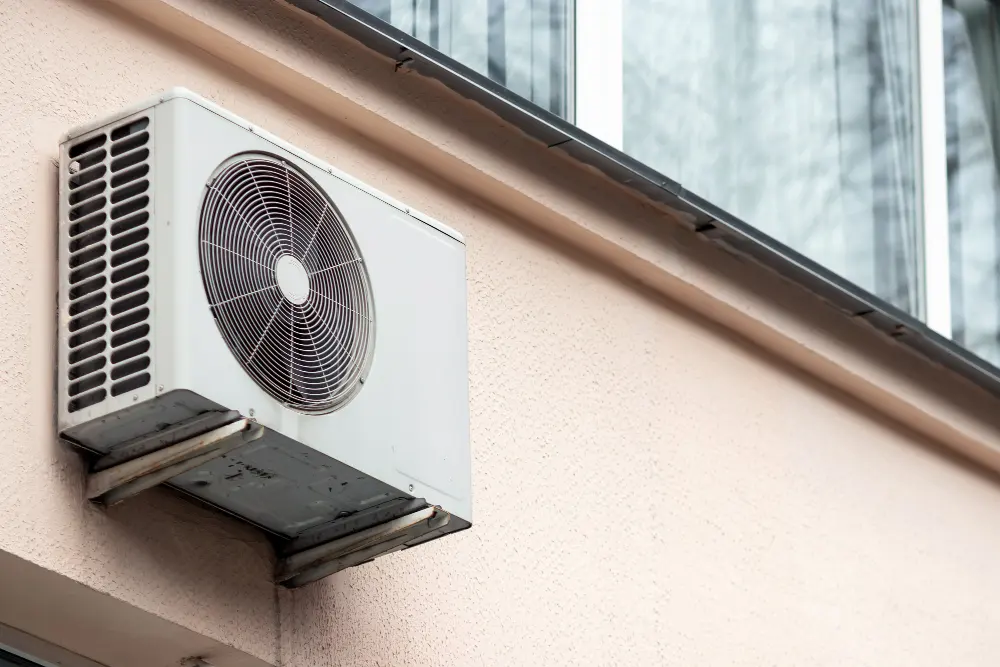
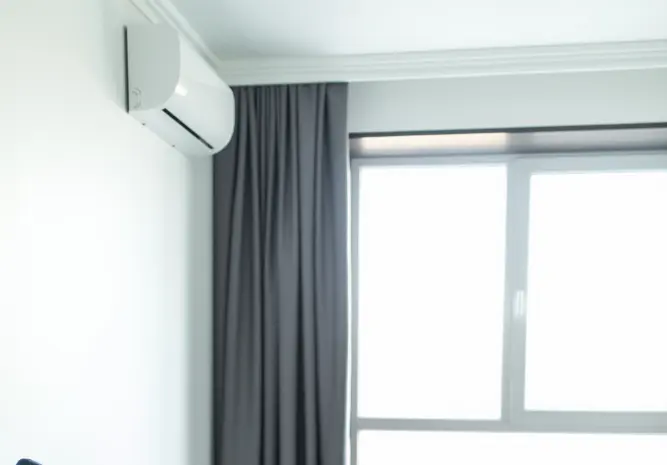
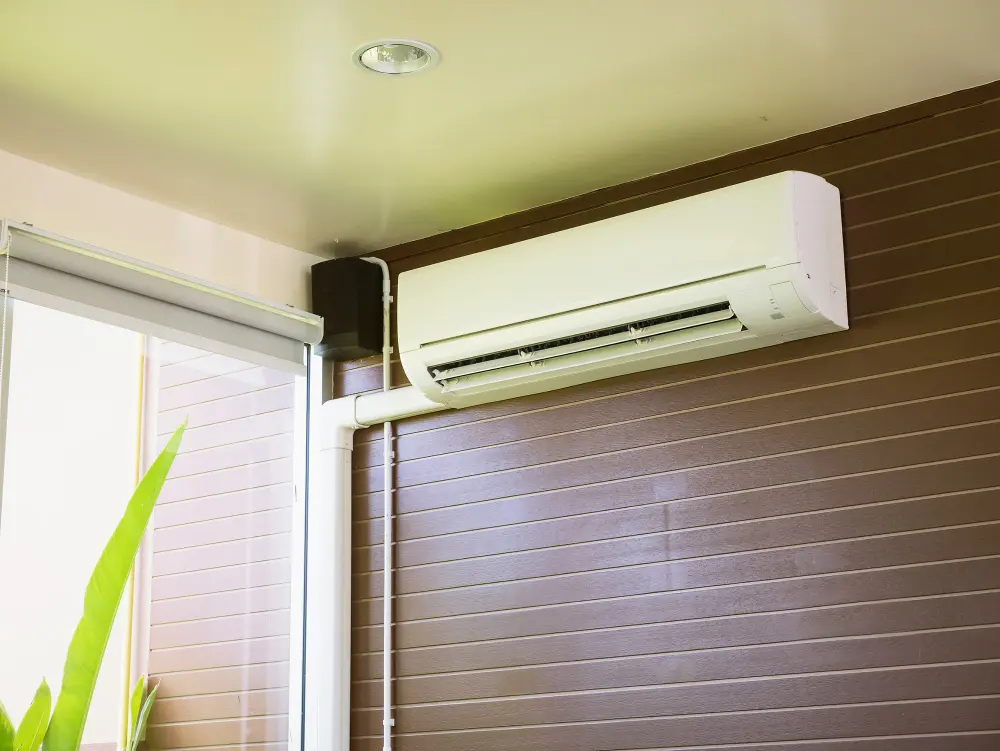
A wall-mounted split system is often considered for a single room or clearly defined area. It has an indoor unit connected to an outdoor unit and can provide targeted heating and cooling.
Multi-split systems can be useful where several rooms require conditioning but a single outdoor unit is preferred. Multiple indoor units can provide individual control while sharing the outdoor equipment.
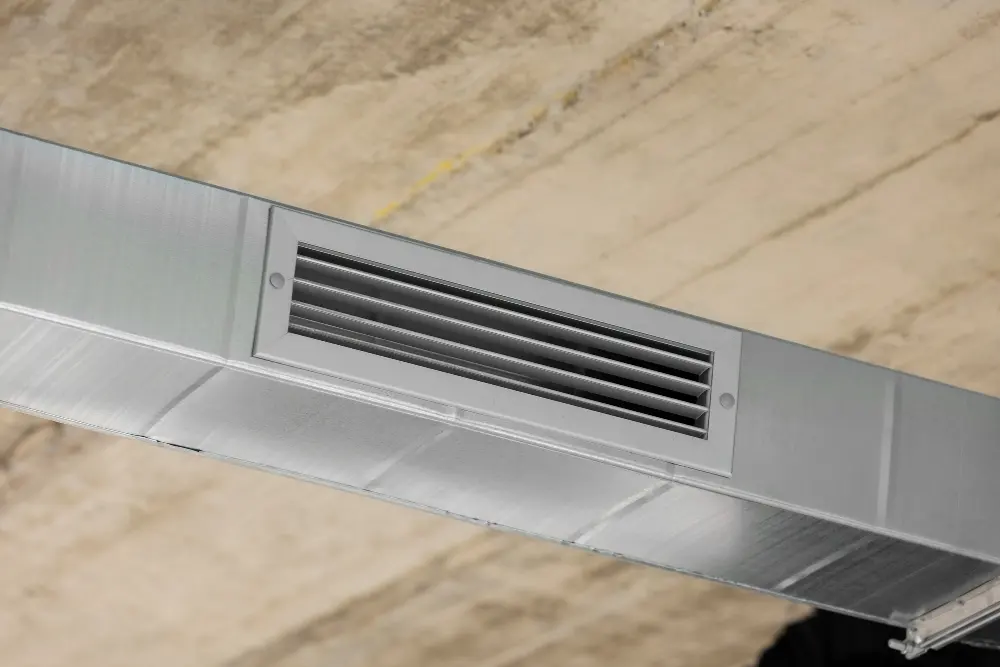
Ducted systems may be considered for larger premises or properties where concealed air distribution is desirable. They generally involve more extensive installation work and are not necessarily the most practical solution for every small business.
The correct option depends on the building, available space, usage and installation requirements.
How much does noise matter in customer-facing areas?
Noise deserves careful consideration because customers may spend significant time inside a business premises.
In a retail environment, background noise from an air conditioning system may be less noticeable than in a consultation room. In a clinic or professional office, however, even moderate equipment noise can become distracting.
When comparing systems, ask about the indoor unit’s operating noise and where it will be positioned.
The position can influence how noticeable the system becomes. Installing an indoor unit directly above a desk, reception counter or seating area may not provide the most comfortable experience, even if the equipment itself operates quietly.
Good positioning should distribute air effectively while avoiding unnecessary direct airflow towards people.
What about appearance and available wall space?
Customer-facing businesses often need to balance comfort with presentation.
A visible indoor unit should be positioned where it works effectively without dominating the room or interfering with signage, shelving, lighting or other fixtures.
Before installation, consider:
In some premises, the best technical location may not be the most visually convenient one. Discussing these factors during the initial survey can help identify a practical compromise.
What type of property do you have?


Semi-Detached

Detached

Terraced

Bungalow

Flat

Commercial or Small Office
It just takes 60 Seconds
And then you can book a free consultation
Should you choose a system that also provides heating?
For many businesses, year-round functionality can be useful.
Modern air conditioning systems can often provide both cooling and heating. This means the same equipment can help manage indoor temperatures during summer and provide supplementary heating during colder periods.
However, whether this is the right approach depends on the property’s existing heating system, insulation, operating hours and comfort requirements.
A business should not assume that one system automatically replaces every other heating arrangement. Instead, consider how the air conditioning would fit into the property’s overall heating strategy.
JK Cooling Solutions can help assess whether heating and cooling from one system would make sense for your premises. Speak to our team about the way your business operates, rather than choosing equipment based solely on a specification sheet.
How important is energy efficiency?
Energy efficiency matters because a customer-facing system may operate for many hours each day.
The efficiency of the equipment is only one part of the picture. How the system is sized, installed, controlled and maintained can also influence its performance.
Simple operational habits can make a difference. Keeping external doors and windows closed when cooling is operating, avoiding unnecessarily low temperature settings and maintaining filters can all help reduce wasted energy.
It is also sensible to consider the expected operating schedule before selecting equipment. A system used occasionally has different priorities from one operating throughout the working day.
Where should the outdoor unit be installed?
The outdoor unit needs suitable space with adequate airflow and appropriate access for maintenance.
Its position should also be considered from a practical and visual perspective. Depending on the property, the installer may need to work around access routes, neighbouring properties, external walls or other building features.
A suitable location should allow the equipment to operate effectively without creating avoidable problems for the business or surrounding property.
This is one reason a site assessment is useful. What appears to be an obvious location from inside the building may not be the best option once installation and servicing requirements are considered.
What should you ask before booking installation?
Before agreeing to an installation, ask the installer to explain what is being recommended and why.
Useful questions include:
- How has the required capacity been calculated?
- Which system configuration is being proposed?
- Will it provide heating as well as cooling?
- Where will the indoor and outdoor units be installed?
- How will condensate drainage be handled?
- What installation work is included?
- What access will be required?
- How much disruption should the business expect?
- What maintenance will the system need?
- What warranty applies?
A clear quotation should make it easier to compare options. If one quotation is considerably cheaper than another, check whether the difference relates to equipment, installation complexity or what has been included.
Is a professional assessment worthwhile?
For a customer-facing business, professional advice can prevent many avoidable mistakes.
A survey allows the installer to assess the actual property rather than relying on assumptions. It can also identify installation constraints that may not be obvious to the business owner.
This is particularly useful where there are several rooms, unusual layouts, large areas of glazing or limited external space.
A new air conditioner Eltham business owners install should be selected because it suits the property and its usage, not simply because it has a competitive purchase price.
A typical example
Imagine a small Eltham office with a reception area facing a large glazed frontage and two enclosed workrooms. During sunny afternoons, the reception space becomes noticeably warmer than the rest of the property.
Installing one oversized system in an arbitrary central position might appear straightforward, but it may not distribute air evenly. An assessment could instead identify the reception area as the main cooling requirement and determine whether separate room control would be more appropriate.
This approach focuses on how the business actually experiences temperature changes rather than treating the entire floor area as identical.
Related articles
What type of property do you have?
Semi-Detached
Detached
Terraced
Bungalow
Flat
Commercial or Small Office
At a glance
Choosing air conditioning for a customer-facing business is about more than keeping a room cool. Shops, salons, clinics, reception areas and small offices all have different patterns of occupancy, equipment, lighting and door movement that can affect indoor temperatures.
The right system should provide comfortable conditions without creating excessive noise, uncomfortable airflow or unnecessary running costs. It also needs to fit sensibly within the property and work around the way the business operates.
If you are comparing a new air conditioner Eltham businesses can use throughout the year, it is worth considering the room itself, how customers use it and what the system needs to achieve before looking at specific models.
What should you consider before choosing an air conditioner?
The first step is to understand the space that needs conditioning. A room with large windows and strong afternoon sunlight can have very different cooling requirements from an enclosed office of the same size.
Important considerations include:
These details help an installer establish the appropriate system capacity and configuration.
A unit that looks suitable on paper may not perform as expected if the actual heat load of the room has not been considered.
If you are unsure which system would suit your premises, contact JK Cooling Solutions for practical guidance. A proper assessment can help you understand your options before you commit to an installation.
How important is correct sizing?
Correct sizing is one of the most important parts of choosing air conditioning. The system needs enough capacity to deal with the heat entering and being generated within the room, but bigger is not automatically better.
An undersized unit may struggle during particularly warm periods and run for long periods attempting to reach the desired temperature. An oversized system may cycle on and off more frequently and can make temperature control less comfortable.
For a customer-facing property, the aim is consistent and controlled comfort.
An installer should consider more than floor area when assessing the required capacity. Occupancy, glazing, sunlight, equipment and the purpose of the room can all influence the calculation.
Does the type of business affect the choice?
Yes. Different businesses can have noticeably different requirements.
A retail shop may experience frequent door opening as customers enter and leave. A clinic may prioritise quiet operation and stable temperatures in consultation rooms. A reception area could need quick cooling during busy periods, while a small office may benefit from independent control during working hours.
For example:
| Business environment | Key consideration | Potential priority |
| Retail shop | Frequent door opening | Responsive temperature control |
| Clinic | Quiet environment | Low operating noise |
| Small office | Variable occupancy | Flexible controls |
| Reception area | Customer comfort | Even airflow |
| Consultation room | Consistent conditions | Precise temperature control |
| Salon or studio | Equipment and occupancy | Suitable cooling capacity |
This is why an air conditioner Eltham business chooses should be selected around the actual working environment rather than simply based on appearance or advertised capacity.
What type of air conditioner is suitable for a customer-facing room?
Several system configurations may be appropriate, depending on the property.
A wall-mounted split system is often considered for a single room or clearly defined area. It has an indoor unit connected to an outdoor unit and can provide targeted heating and cooling.
Multi-split systems can be useful where several rooms require conditioning but a single outdoor unit is preferred. Multiple indoor units can provide individual control while sharing the outdoor equipment.
Ducted systems may be considered for larger premises or properties where concealed air distribution is desirable. They generally involve more extensive installation work and are not necessarily the most practical solution for every small business.
The correct option depends on the building, available space, usage and installation requirements.
How much does noise matter in customer-facing areas?
Noise deserves careful consideration because customers may spend significant time inside a business premises.
In a retail environment, background noise from an air conditioning system may be less noticeable than in a consultation room. In a clinic or professional office, however, even moderate equipment noise can become distracting.
When comparing systems, ask about the indoor unit’s operating noise and where it will be positioned.
The position can influence how noticeable the system becomes. Installing an indoor unit directly above a desk, reception counter or seating area may not provide the most comfortable experience, even if the equipment itself operates quietly.
Good positioning should distribute air effectively while avoiding unnecessary direct airflow towards people.
What about appearance and available wall space?
Customer-facing businesses often need to balance comfort with presentation.
A visible indoor unit should be positioned where it works effectively without dominating the room or interfering with signage, shelving, lighting or other fixtures.
Before installation, consider:
In some premises, the best technical location may not be the most visually convenient one. Discussing these factors during the initial survey can help identify a practical compromise.
What type of property do you have?
Semi-Detached
Detached
Terraced
Bungalow
Flat
Commercial or Small Office
It just takes 60 Seconds
And then you can book a free consultation
Should you choose a system that also provides heating?
For many businesses, year-round functionality can be useful.
Modern air conditioning systems can often provide both cooling and heating. This means the same equipment can help manage indoor temperatures during summer and provide supplementary heating during colder periods.
However, whether this is the right approach depends on the property’s existing heating system, insulation, operating hours and comfort requirements.
A business should not assume that one system automatically replaces every other heating arrangement. Instead, consider how the air conditioning would fit into the property’s overall heating strategy.
JK Cooling Solutions can help assess whether heating and cooling from one system would make sense for your premises. Speak to our team about the way your business operates, rather than choosing equipment based solely on a specification sheet.
How important is energy efficiency?
Energy efficiency matters because a customer-facing system may operate for many hours each day.
The efficiency of the equipment is only one part of the picture. How the system is sized, installed, controlled and maintained can also influence its performance.
Simple operational habits can make a difference. Keeping external doors and windows closed when cooling is operating, avoiding unnecessarily low temperature settings and maintaining filters can all help reduce wasted energy.
It is also sensible to consider the expected operating schedule before selecting equipment. A system used occasionally has different priorities from one operating throughout the working day.
Where should the outdoor unit be installed?
The outdoor unit needs suitable space with adequate airflow and appropriate access for maintenance.
Its position should also be considered from a practical and visual perspective. Depending on the property, the installer may need to work around access routes, neighbouring properties, external walls or other building features.
A suitable location should allow the equipment to operate effectively without creating avoidable problems for the business or surrounding property.
This is one reason a site assessment is useful. What appears to be an obvious location from inside the building may not be the best option once installation and servicing requirements are considered.
What should you ask before booking installation?
Before agreeing to an installation, ask the installer to explain what is being recommended and why.
Useful questions include:
- How has the required capacity been calculated?
- Which system configuration is being proposed?
- Will it provide heating as well as cooling?
- Where will the indoor and outdoor units be installed?
- How will condensate drainage be handled?
- What installation work is included?
- What access will be required?
- How much disruption should the business expect?
- What maintenance will the system need?
- What warranty applies?
A clear quotation should make it easier to compare options. If one quotation is considerably cheaper than another, check whether the difference relates to equipment, installation complexity or what has been included.
Is a professional assessment worthwhile?
For a customer-facing business, professional advice can prevent many avoidable mistakes.
A survey allows the installer to assess the actual property rather than relying on assumptions. It can also identify installation constraints that may not be obvious to the business owner.
This is particularly useful where there are several rooms, unusual layouts, large areas of glazing or limited external space.
A new air conditioner Eltham business owners install should be selected because it suits the property and its usage, not simply because it has a competitive purchase price.
A typical example
Imagine a small Eltham office with a reception area facing a large glazed frontage and two enclosed workrooms. During sunny afternoons, the reception space becomes noticeably warmer than the rest of the property.
Installing one oversized system in an arbitrary central position might appear straightforward, but it may not distribute air evenly. An assessment could instead identify the reception area as the main cooling requirement and determine whether separate room control would be more appropriate.
This approach focuses on how the business actually experiences temperature changes rather than treating the entire floor area as identical.
Related articles
What type of property do you have?
Semi-Detached
Detached
Terraced
Bungalow
Flat
Commercial or Small Office