Air Conditioning for Eltham Shops, Clinics and Small Offices
At a glance For a shop, clinic or small office, indoor temperature can have a direct effect on how comfortable people feel throughout the working day. A room that becomes excessively warm in summer can be unpleasant for staff and customers, while poor temperature control can make a workspace harder to use productively. The challenge…

Why you can trust our content
Our team is fully trained, qualified and highly experienced in the air conditioning industry.


At a glance
For a shop, clinic or small office, indoor temperature can have a direct effect on how comfortable people feel throughout the working day. A room that becomes excessively warm in summer can be unpleasant for staff and customers, while poor temperature control can make a workspace harder to use productively.
The challenge is that smaller commercial premises often have different requirements from larger offices. A compact shop may need targeted cooling around a customer area, whereas a clinic could require quiet and consistent temperature control in several rooms. Choosing the right system therefore involves more than simply selecting a unit with enough cooling capacity.
This guide looks at the main considerations for businesses planning air conditioning in Eltham, including system types, room usage, noise, installation and ongoing efficiency.
Why is air conditioning useful for small commercial premises?
Air conditioning can provide both cooling and heating, making it useful throughout the year rather than only during warmer weather. Modern systems can maintain a more consistent indoor temperature while also helping businesses avoid relying on separate heating and cooling equipment.
For small commercial premises, the main benefits can include:
- More comfortable temperatures for customers and staff
- Better control over individual rooms
- Reduced reliance on portable fans and heaters
- Heating during colder periods where the system supports it
- Quieter operation than many temporary cooling solutions
- Improved control over energy use
- A more comfortable environment for appointments and consultations
The right approach depends on how the premises is used. A system that works well in a retail unit may not be appropriate for a treatment room or open-plan office.
If you are considering air conditioning for a commercial property, JK Cooling Solutions can assess the space and discuss practical options based on how the rooms are actually used. Contact our team for tailored advice rather than choosing equipment based on room size alone.
What should shops consider before installing air conditioning?
Retail spaces can experience changing temperatures throughout the day. Customers entering and leaving through the front door can introduce warm air during summer, while lighting, appliances and people inside the shop can add to the heat load.
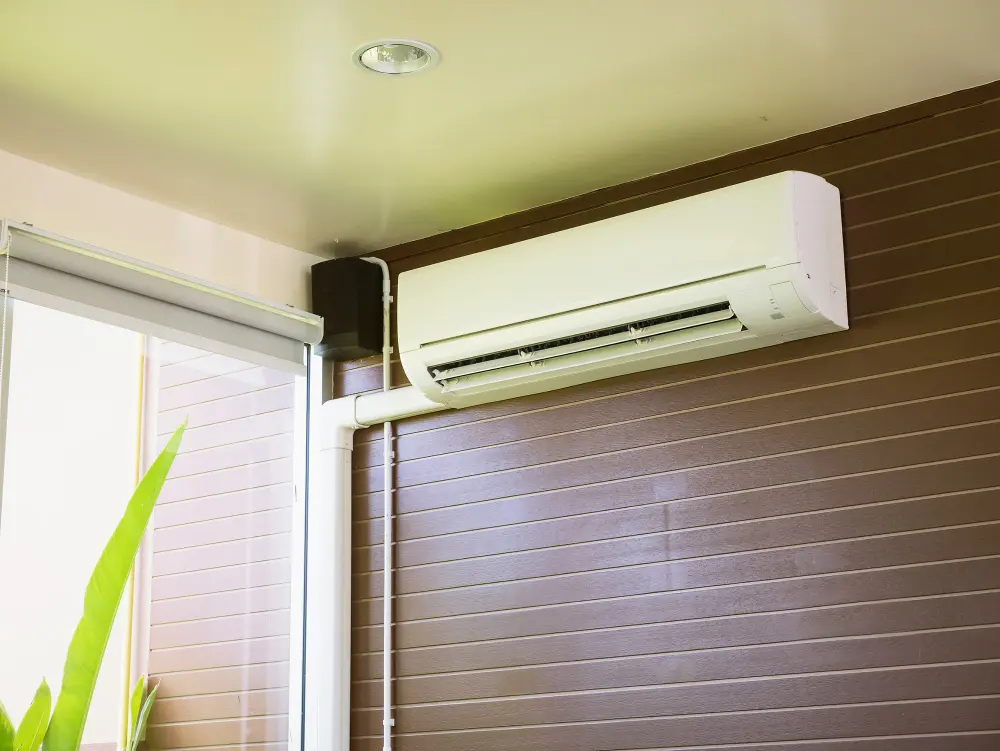
The position of the indoor unit is therefore important. A wall-mounted system may be suitable for a smaller retail space, but the airflow should not be directed uncomfortably towards customers or staff.
Other points worth considering include:
| Consideration | Why it matters |
| Shop size | Helps determine the required system capacity |
| Number of occupants | People contribute to the heat inside a room |
| Doors and windows | Frequent opening can affect temperature control |
| Lighting and equipment | Some equipment produces additional heat |
| Unit position | Affects airflow and comfort |
| Noise level | Important where customers remain in the space |
| Heating requirement | A heat pump system may provide useful winter heating |
A professional assessment can account for these factors before an installation is specified. This can help prevent a situation where a unit is technically running but struggles to maintain a comfortable temperature.
For businesses looking at air con Eltham options, it is worth considering the whole room rather than focusing solely on the advertised cooling capacity of a particular model.
How can clinics benefit from better temperature control?
Clinics, consultation rooms and similar premises have particularly specific comfort requirements. Patients may spend longer periods in one room, while staff need a suitable working environment throughout the day.
Noise can be just as important as temperature. A loud system may become distracting during consultations, particularly where conversations need to take place without background equipment becoming intrusive.
Individual room control can also be valuable. A reception area may have different requirements from a consultation room, staff room or treatment space. Depending on the layout, separate indoor units or a multi-room arrangement may provide greater control than attempting to condition the entire premises from one location.
Good airflow is another consideration. The objective should be consistent comfort rather than creating a strong stream of cold air in one part of the room.
Which type of system suits a small office?
There is no single air conditioning system that suits every small office. The best option depends on the number of rooms, the available wall space, how the building is laid out and whether heating is also required.
A split system can be a practical option where one main room needs independent temperature control. For offices with several areas, a multi-split arrangement may allow multiple indoor units to operate from a shared outdoor unit.
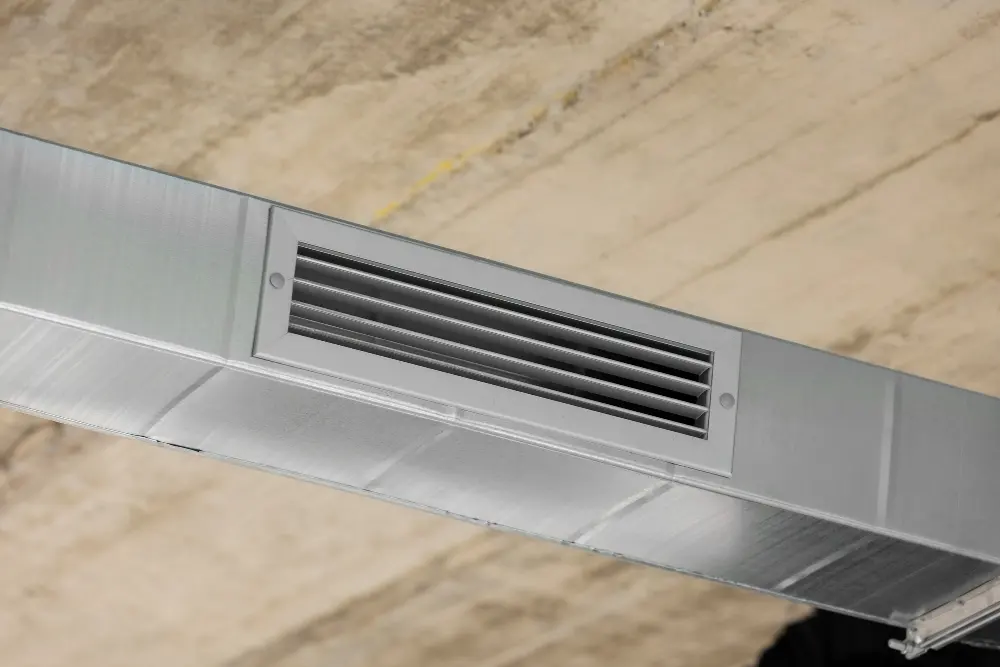
A ducted system may be considered where the property layout and ceiling structure make concealed distribution practical. However, this can involve more installation work and may not be necessary for a compact office.
When comparing air conditioner installation Eltham businesses should look beyond the unit itself. Installation quality, positioning, controls and the suitability of the system for the premises all influence the final result.
Internal link opportunity:
(Link to related blog: How to Choose the Right Air Conditioning System for Your Property)
What affects the installation process?
The installation process can vary considerably between two properties with similar floor areas. Accessibility, wall construction, outdoor unit positioning and the distance between indoor and outdoor components can all affect the work involved.
Before installation, an installer may need to consider:
- Where the indoor unit can be positioned
- Where the outdoor unit can safely and appropriately be located
- The route for pipework and cables
- Condensate drainage
- Electrical requirements
- Access to the installation area
- The number of rooms requiring temperature control
- Any restrictions associated with the building
For a business, planning these details in advance can also help reduce disruption. Installation work may be easier to arrange outside opening hours or during a quieter trading period.
This is particularly relevant for customer-facing businesses where an installation team needs access to reception areas, counters or consultation rooms.
What type of property do you have?


Semi-Detached

Detached

Terraced

Bungalow

Flat

Commercial or Small Office
It just takes 60 Seconds
And then you can book a free consultation
A typical Eltham installation scenario
Consider a small local clinic with a reception area and two consultation rooms. The reception area becomes uncomfortable during warm afternoons because of sunlight through the front glazing and regular movement through the entrance.
Rather than treating the entire property as one open space, an installer could assess the individual rooms and identify where temperature control is most important. Depending on the layout, separate indoor units may provide better control and allow different rooms to be adjusted independently.
The same principle can apply to a small office. If only one or two rooms regularly become overheated, installing an appropriately sized system in those areas may be more sensible than introducing a larger system designed for parts of the building that do not need regular cooling.
Why does professional sizing matter?
A common mistake is choosing an air conditioner based purely on the size of the room. Although room dimensions are important, they are only part of the calculation.
A professional assessment can take account of factors such as glazing, insulation, occupancy, equipment, sunlight and the use of the space. This helps determine the cooling capacity required and whether heating capacity should also be considered.
An undersized system may have to work harder to maintain the desired temperature. An oversized system is not automatically better either, as frequent cycling can affect comfort and efficiency.
This is why air conditioner installation Eltham projects should be assessed on the characteristics of the individual premises rather than based solely on a standard room-size chart.
If you are unsure what type or size of system your premises needs, speak to the JK Cooling Solutions team. A site assessment can provide a clearer picture of the practical options before you commit to equipment or installation work.
What should businesses consider about running costs?
Running costs depend on several variables, including system efficiency, operating hours, the required temperature and the characteristics of the building.
Simple habits can help avoid unnecessary energy use. Keeping doors and windows closed while the system is operating, using appropriate temperature settings and maintaining filters can all support efficient operation.
It is also worth considering how the system will actually be used. A shop that needs cooling for eight hours a day has different requirements from a small office that only uses air conditioning occasionally.
Modern systems can provide efficient heating as well as cooling, which may make them useful beyond the summer months. However, businesses should compare the expected running pattern of the system with their wider heating requirements before deciding what equipment to install.
How can businesses minimise disruption during installation?
For a customer-facing business, installation needs to be planned around normal operations wherever possible.
A useful starting point is to establish:
- Which rooms need access
- Whether work can take place before opening or after closing
- Where equipment and materials can be temporarily stored
- Whether staff or customers need to avoid particular areas
- How long the expected installation work may take
- Whether any electrical or building work needs to be coordinated
Clear communication between the business and installer can make the process much easier.
An experienced local installer should also explain what access is required and highlight any practical issues before work begins. This allows the business to make sensible arrangements rather than discovering problems on installation day.
For businesses comparing air con Eltham solutions, installation planning should therefore be part of the decision rather than an afterthought.
What should you ask an air conditioning installer?
Before booking an installation, business owners should have enough information to understand what they are paying for and why a particular system has been recommended.
Useful questions include:
- How has the required system capacity been calculated?
- Is heating included as well as cooling?
- Where will the indoor and outdoor units be positioned?
- How will condensate drainage be handled?
- What access will be required?
- How much disruption should we expect?
- What maintenance will the system require?
- What warranty applies to the equipment and installation?
- Will the controls allow individual rooms to be adjusted?
A detailed quotation should explain the proposed equipment and installation work clearly. If two quotes differ substantially, checking what is included can be more useful than simply comparing the final price.
Related articles
What type of property do you have?
Semi-Detached
Detached
Terraced
Bungalow
Flat
Commercial or Small Office
At a glance
For a shop, clinic or small office, indoor temperature can have a direct effect on how comfortable people feel throughout the working day. A room that becomes excessively warm in summer can be unpleasant for staff and customers, while poor temperature control can make a workspace harder to use productively.
The challenge is that smaller commercial premises often have different requirements from larger offices. A compact shop may need targeted cooling around a customer area, whereas a clinic could require quiet and consistent temperature control in several rooms. Choosing the right system therefore involves more than simply selecting a unit with enough cooling capacity.
This guide looks at the main considerations for businesses planning air conditioning in Eltham, including system types, room usage, noise, installation and ongoing efficiency.
Why is air conditioning useful for small commercial premises?
Air conditioning can provide both cooling and heating, making it useful throughout the year rather than only during warmer weather. Modern systems can maintain a more consistent indoor temperature while also helping businesses avoid relying on separate heating and cooling equipment.
For small commercial premises, the main benefits can include:
- More comfortable temperatures for customers and staff
- Better control over individual rooms
- Reduced reliance on portable fans and heaters
- Heating during colder periods where the system supports it
- Quieter operation than many temporary cooling solutions
- Improved control over energy use
- A more comfortable environment for appointments and consultations
The right approach depends on how the premises is used. A system that works well in a retail unit may not be appropriate for a treatment room or open-plan office.
If you are considering air conditioning for a commercial property, JK Cooling Solutions can assess the space and discuss practical options based on how the rooms are actually used. Contact our team for tailored advice rather than choosing equipment based on room size alone.
What should shops consider before installing air conditioning?
Retail spaces can experience changing temperatures throughout the day. Customers entering and leaving through the front door can introduce warm air during summer, while lighting, appliances and people inside the shop can add to the heat load.
The position of the indoor unit is therefore important. A wall-mounted system may be suitable for a smaller retail space, but the airflow should not be directed uncomfortably towards customers or staff.
Other points worth considering include:
| Consideration | Why it matters |
| Shop size | Helps determine the required system capacity |
| Number of occupants | People contribute to the heat inside a room |
| Doors and windows | Frequent opening can affect temperature control |
| Lighting and equipment | Some equipment produces additional heat |
| Unit position | Affects airflow and comfort |
| Noise level | Important where customers remain in the space |
| Heating requirement | A heat pump system may provide useful winter heating |
A professional assessment can account for these factors before an installation is specified. This can help prevent a situation where a unit is technically running but struggles to maintain a comfortable temperature.
For businesses looking at air con Eltham options, it is worth considering the whole room rather than focusing solely on the advertised cooling capacity of a particular model.
How can clinics benefit from better temperature control?
Clinics, consultation rooms and similar premises have particularly specific comfort requirements. Patients may spend longer periods in one room, while staff need a suitable working environment throughout the day.
Noise can be just as important as temperature. A loud system may become distracting during consultations, particularly where conversations need to take place without background equipment becoming intrusive.
Individual room control can also be valuable. A reception area may have different requirements from a consultation room, staff room or treatment space. Depending on the layout, separate indoor units or a multi-room arrangement may provide greater control than attempting to condition the entire premises from one location.
Good airflow is another consideration. The objective should be consistent comfort rather than creating a strong stream of cold air in one part of the room.
Which type of system suits a small office?
There is no single air conditioning system that suits every small office. The best option depends on the number of rooms, the available wall space, how the building is laid out and whether heating is also required.
A split system can be a practical option where one main room needs independent temperature control. For offices with several areas, a multi-split arrangement may allow multiple indoor units to operate from a shared outdoor unit.
A ducted system may be considered where the property layout and ceiling structure make concealed distribution practical. However, this can involve more installation work and may not be necessary for a compact office.
When comparing air conditioner installation Eltham businesses should look beyond the unit itself. Installation quality, positioning, controls and the suitability of the system for the premises all influence the final result.
Internal link opportunity:
(Link to related blog: How to Choose the Right Air Conditioning System for Your Property)
What affects the installation process?
The installation process can vary considerably between two properties with similar floor areas. Accessibility, wall construction, outdoor unit positioning and the distance between indoor and outdoor components can all affect the work involved.
Before installation, an installer may need to consider:
- Where the indoor unit can be positioned
- Where the outdoor unit can safely and appropriately be located
- The route for pipework and cables
- Condensate drainage
- Electrical requirements
- Access to the installation area
- The number of rooms requiring temperature control
- Any restrictions associated with the building
For a business, planning these details in advance can also help reduce disruption. Installation work may be easier to arrange outside opening hours or during a quieter trading period.
This is particularly relevant for customer-facing businesses where an installation team needs access to reception areas, counters or consultation rooms.
What type of property do you have?
Semi-Detached
Detached
Terraced
Bungalow
Flat
Commercial or Small Office
It just takes 60 Seconds
And then you can book a free consultation
A typical Eltham installation scenario
Consider a small local clinic with a reception area and two consultation rooms. The reception area becomes uncomfortable during warm afternoons because of sunlight through the front glazing and regular movement through the entrance.
Rather than treating the entire property as one open space, an installer could assess the individual rooms and identify where temperature control is most important. Depending on the layout, separate indoor units may provide better control and allow different rooms to be adjusted independently.
The same principle can apply to a small office. If only one or two rooms regularly become overheated, installing an appropriately sized system in those areas may be more sensible than introducing a larger system designed for parts of the building that do not need regular cooling.
Why does professional sizing matter?
A common mistake is choosing an air conditioner based purely on the size of the room. Although room dimensions are important, they are only part of the calculation.
A professional assessment can take account of factors such as glazing, insulation, occupancy, equipment, sunlight and the use of the space. This helps determine the cooling capacity required and whether heating capacity should also be considered.
An undersized system may have to work harder to maintain the desired temperature. An oversized system is not automatically better either, as frequent cycling can affect comfort and efficiency.
This is why air conditioner installation Eltham projects should be assessed on the characteristics of the individual premises rather than based solely on a standard room-size chart.
If you are unsure what type or size of system your premises needs, speak to the JK Cooling Solutions team. A site assessment can provide a clearer picture of the practical options before you commit to equipment or installation work.
What should businesses consider about running costs?
Running costs depend on several variables, including system efficiency, operating hours, the required temperature and the characteristics of the building.
Simple habits can help avoid unnecessary energy use. Keeping doors and windows closed while the system is operating, using appropriate temperature settings and maintaining filters can all support efficient operation.
It is also worth considering how the system will actually be used. A shop that needs cooling for eight hours a day has different requirements from a small office that only uses air conditioning occasionally.
Modern systems can provide efficient heating as well as cooling, which may make them useful beyond the summer months. However, businesses should compare the expected running pattern of the system with their wider heating requirements before deciding what equipment to install.
How can businesses minimise disruption during installation?
For a customer-facing business, installation needs to be planned around normal operations wherever possible.
A useful starting point is to establish:
- Which rooms need access
- Whether work can take place before opening or after closing
- Where equipment and materials can be temporarily stored
- Whether staff or customers need to avoid particular areas
- How long the expected installation work may take
- Whether any electrical or building work needs to be coordinated
Clear communication between the business and installer can make the process much easier.
An experienced local installer should also explain what access is required and highlight any practical issues before work begins. This allows the business to make sensible arrangements rather than discovering problems on installation day.
For businesses comparing air con Eltham solutions, installation planning should therefore be part of the decision rather than an afterthought.
What should you ask an air conditioning installer?
Before booking an installation, business owners should have enough information to understand what they are paying for and why a particular system has been recommended.
Useful questions include:
- How has the required system capacity been calculated?
- Is heating included as well as cooling?
- Where will the indoor and outdoor units be positioned?
- How will condensate drainage be handled?
- What access will be required?
- How much disruption should we expect?
- What maintenance will the system require?
- What warranty applies to the equipment and installation?
- Will the controls allow individual rooms to be adjusted?
A detailed quotation should explain the proposed equipment and installation work clearly. If two quotes differ substantially, checking what is included can be more useful than simply comparing the final price.
Related articles
What type of property do you have?
Semi-Detached
Detached
Terraced
Bungalow
Flat
Commercial or Small Office