Air Con Eltham: Best Options for Bedrooms, Lofts and Home Offices
Not every room needs the same air conditioning solution. Choosing the right system for bedrooms, lofts and home offices improves comfort, energy efficiency and year-round performance in your Eltham home.

Why you can trust our content
Our team is fully trained, qualified and highly experienced in the air conditioning industry.


At a glance
Choosing an air conditioning system isn’t just about cooling your home during warmer weather. Different rooms have different purposes, and each space benefits from a solution that matches how it’s used. A bedroom has very different requirements from a loft conversion, while a home office needs comfort without distracting noise.
If you’re researching air con Eltham, understanding which type of system suits each room can help you make a more informed decision. With careful planning, you can enjoy comfortable temperatures all year while keeping energy use under control.
If you’d like advice tailored to your home’s layout, contact JK Cooling Solutions to arrange a professional survey.
Why Should You Choose Different Solutions for Different Rooms?
Every room experiences different levels of heat, sunlight and occupancy.
For example:
Matching the equipment to each room creates a more comfortable home while avoiding unnecessary running costs.
Which Air Conditioning System Works Best in Bedrooms?
Bedrooms are all about comfort and restful sleep. A system that cools quickly but operates quietly is usually the preferred choice.
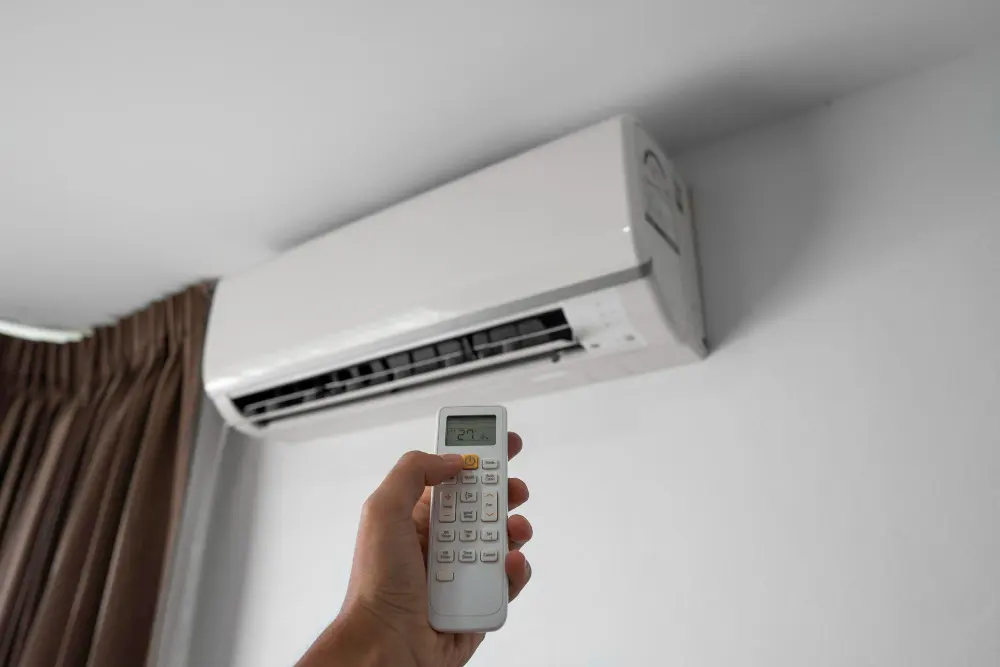
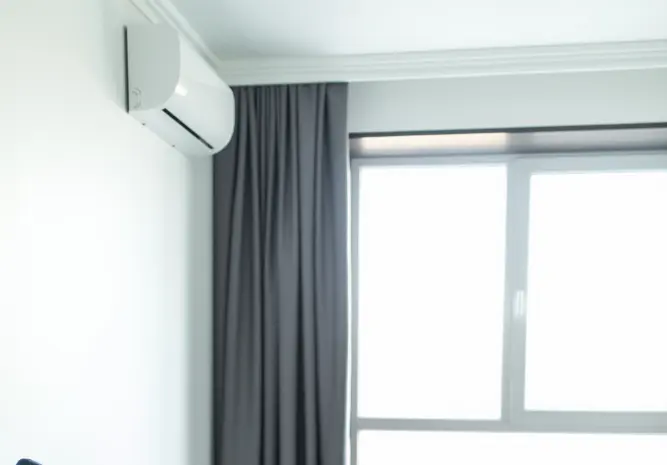
Many homeowners choose a wall mounted air conditioning unit because it offers several advantages:
Correct positioning is equally important. An installer will usually avoid directing airflow straight towards the bed, helping create a more comfortable sleeping environment.
Are Loft Conversions More Difficult to Keep Cool?
Yes. Loft rooms naturally collect heat because warm air rises, and many have roof windows that receive direct sunlight throughout the day.
Signs your loft may benefit from air conditioning include:
A properly sized system can maintain a consistent temperature without occupying valuable floor space.
What Makes Home Offices Different?
Working from home has become a normal part of daily life for many households. Comfort directly affects concentration and productivity.
When choosing equipment for a home office, homeowners often prioritise:
| Consideration | Why It Matters |
| Low noise levels | Reduces distractions during meetings |
| Energy efficiency | Suitable for longer operating hours |
| Accurate temperature control | Maintains comfort throughout the day |
| Compact design | Preserves usable wall and floor space |
| Heating function | Useful during colder months |
These features help create a pleasant workspace without making the room feel cluttered.
Planning a home office upgrade? Speak to JK Cooling Solutions about selecting a system designed around your daily routine.
Is a Wall Mounted System the Right Choice?
For many homes, the answer is yes.
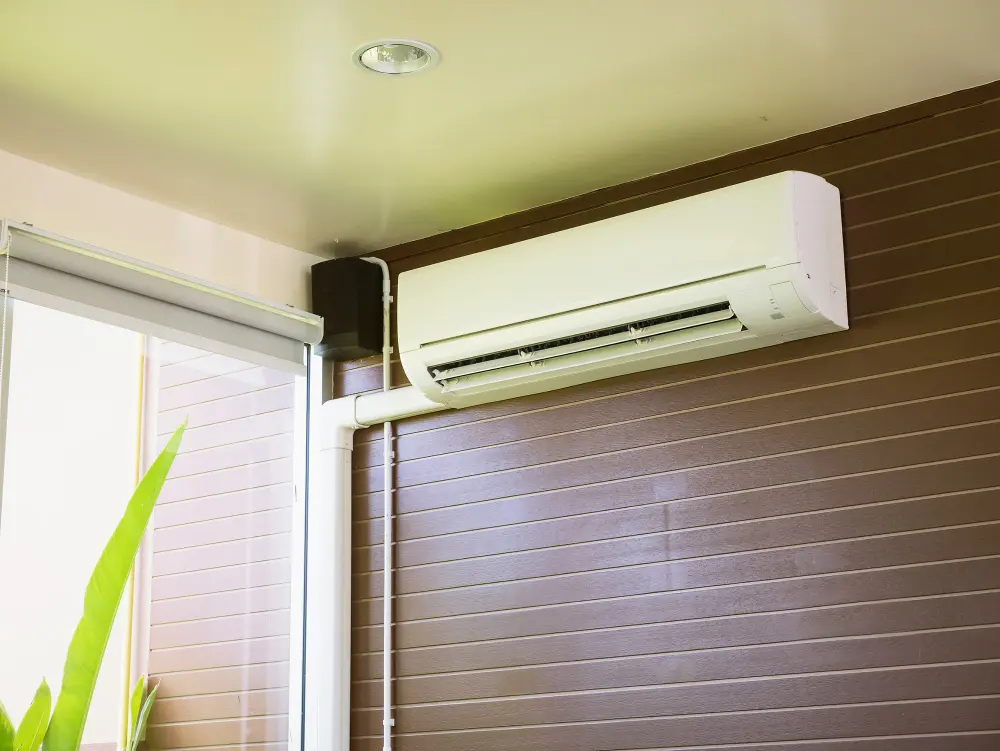
A wall mounted air conditioning unit is one of the most popular residential options because it combines efficiency with discreet installation.
Its advantages include:
However, the ideal solution still depends on the property’s layout and the number of rooms requiring temperature control.
How Can You Improve Efficiency?
Even the best equipment performs better when combined with sensible household habits.
Simple ways to improve efficiency include:
These straightforward measures can help maintain consistent performance throughout the year.
A Typical Example
Imagine a family home with three commonly used spaces:
Instead of installing separate outdoor units for each room, the homeowner chooses a multi-room solution connected to one external unit. Each indoor unit can then be controlled independently, allowing every room to reach its preferred temperature without affecting the others.
This approach provides flexibility while keeping the exterior of the property uncluttered.
Should You Install Air Conditioning Throughout the Whole House?
Not always.
Some homeowners only require cooling in specific rooms, while others prefer a whole-home solution.
Your installer may recommend starting with:
Additional rooms can often be added later if the system has been designed with future expansion in mind.
If you’re exploring air con Eltham, discussing your long-term plans during the initial survey can help avoid unnecessary alterations later.
What Should You Expect During a Home Survey?
A professional survey helps ensure the installation matches both the property and your expectations.
The installer will usually assess:
This information allows the system to be designed specifically for your home rather than relying on assumptions.
Related articles




What type of property do you have?

Semi-Detached

Detached

Terraced

Bungalow

Flat

Commercial or Small Office
At a glance
Choosing an air conditioning system isn’t just about cooling your home during warmer weather. Different rooms have different purposes, and each space benefits from a solution that matches how it’s used. A bedroom has very different requirements from a loft conversion, while a home office needs comfort without distracting noise.
If you’re researching air con Eltham, understanding which type of system suits each room can help you make a more informed decision. With careful planning, you can enjoy comfortable temperatures all year while keeping energy use under control.
If you’d like advice tailored to your home’s layout, contact JK Cooling Solutions to arrange a professional survey.
Why Should You Choose Different Solutions for Different Rooms?
Every room experiences different levels of heat, sunlight and occupancy.
For example:
Matching the equipment to each room creates a more comfortable home while avoiding unnecessary running costs.
Which Air Conditioning System Works Best in Bedrooms?
Bedrooms are all about comfort and restful sleep. A system that cools quickly but operates quietly is usually the preferred choice.
Many homeowners choose a wall mounted air conditioning unit because it offers several advantages:
Correct positioning is equally important. An installer will usually avoid directing airflow straight towards the bed, helping create a more comfortable sleeping environment.
Are Loft Conversions More Difficult to Keep Cool?
Yes. Loft rooms naturally collect heat because warm air rises, and many have roof windows that receive direct sunlight throughout the day.
Signs your loft may benefit from air conditioning include:
A properly sized system can maintain a consistent temperature without occupying valuable floor space.
What Makes Home Offices Different?
Working from home has become a normal part of daily life for many households. Comfort directly affects concentration and productivity.
When choosing equipment for a home office, homeowners often prioritise:
| Consideration | Why It Matters |
| Low noise levels | Reduces distractions during meetings |
| Energy efficiency | Suitable for longer operating hours |
| Accurate temperature control | Maintains comfort throughout the day |
| Compact design | Preserves usable wall and floor space |
| Heating function | Useful during colder months |
These features help create a pleasant workspace without making the room feel cluttered.
Planning a home office upgrade? Speak to JK Cooling Solutions about selecting a system designed around your daily routine.
Is a Wall Mounted System the Right Choice?
For many homes, the answer is yes.
A wall mounted air conditioning unit is one of the most popular residential options because it combines efficiency with discreet installation.
Its advantages include:
However, the ideal solution still depends on the property’s layout and the number of rooms requiring temperature control.
How Can You Improve Efficiency?
Even the best equipment performs better when combined with sensible household habits.
Simple ways to improve efficiency include:
These straightforward measures can help maintain consistent performance throughout the year.
A Typical Example
Imagine a family home with three commonly used spaces:
Instead of installing separate outdoor units for each room, the homeowner chooses a multi-room solution connected to one external unit. Each indoor unit can then be controlled independently, allowing every room to reach its preferred temperature without affecting the others.
This approach provides flexibility while keeping the exterior of the property uncluttered.
Should You Install Air Conditioning Throughout the Whole House?
Not always.
Some homeowners only require cooling in specific rooms, while others prefer a whole-home solution.
Your installer may recommend starting with:
Additional rooms can often be added later if the system has been designed with future expansion in mind.
If you’re exploring air con Eltham, discussing your long-term plans during the initial survey can help avoid unnecessary alterations later.
What Should You Expect During a Home Survey?
A professional survey helps ensure the installation matches both the property and your expectations.
The installer will usually assess:
This information allows the system to be designed specifically for your home rather than relying on assumptions.
Related articles
What type of property do you have?
Semi-Detached
Detached
Terraced
Bungalow
Flat
Commercial or Small Office