Air Con Cost for Small Business Premises in Eltham
Planning air conditioning for your Eltham business? Discover the key factors affecting installation costs, from system type and property size to access, equipment and ongoing running costs.

Why you can trust our content
Our team is fully trained, qualified and highly experienced in the air conditioning industry.


At a glance
For a small business, installing air conditioning is an investment that needs to make practical and financial sense. A shop, office, clinic or studio may benefit considerably from better temperature control, but the likely cost can vary widely from one property to another.
There is no single figure that applies to every commercial installation. Equipment capacity, the number of rooms, installation access, pipework, electrical requirements and the way the system will be used can all influence the overall price.
If you are researching air con cost Eltham businesses may face, understanding these factors can help you make a more informed decision and compare quotations on a like-for-like basis.
What determines the cost of commercial air conditioning?
The final installation price depends on the requirements of the individual premises.
A basic single-room installation is very different from a multi-room system requiring several indoor units, extensive pipework or additional electrical work.
The main factors can include:
The equipment itself is only one part of the overall project.
If you are planning air conditioning for your business, JK Cooling Solutions can assess your premises and explain the factors affecting the installation. Contact our team for a tailored quotation based on your actual requirements.
Does the size of the premises make a big difference?
Property size is important, but it does not tell the whole story.
A larger room generally requires greater cooling capacity, but two rooms of the same size can have very different requirements. One may have large south-facing windows and several computers, while the other may have little glazing and low occupancy.
Installers may therefore consider:
| Factor | Why it affects cost |
| Floor area | Influences required system capacity |
| Ceiling height | Changes the volume of air to condition |
| Windows | Can increase heat entering the room |
| Occupancy | People add heat to the space |
| Equipment | Computers and machinery can generate heat |
| Sunlight | Can increase cooling demand |
| Insulation | Affects temperature stability |
| Opening hours | Influences expected system usage |
A proper assessment helps establish the equipment capacity needed rather than relying on floor area alone.
Are split systems cheaper for small businesses?
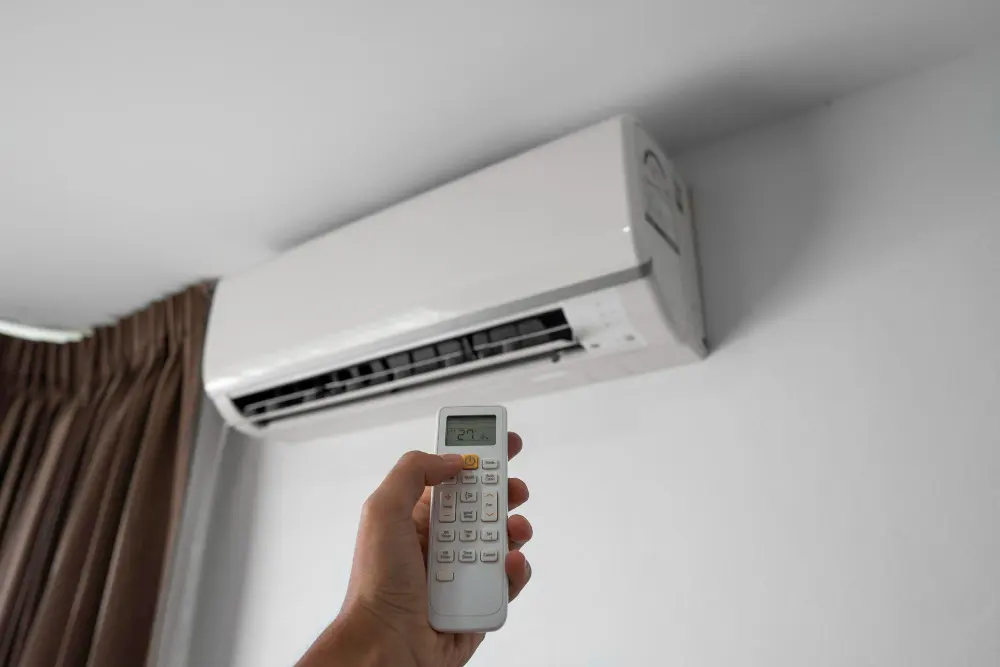
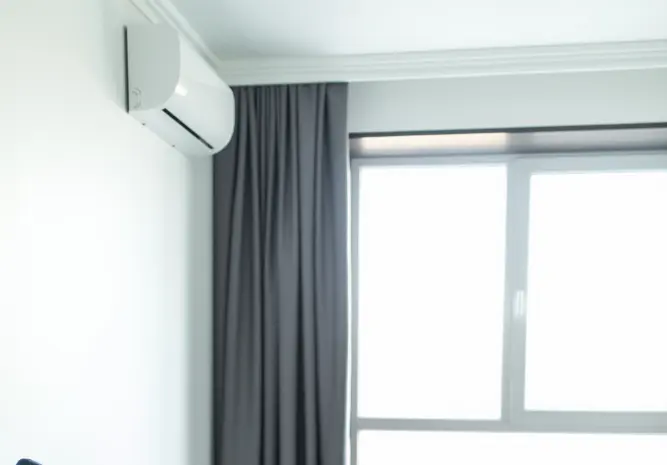
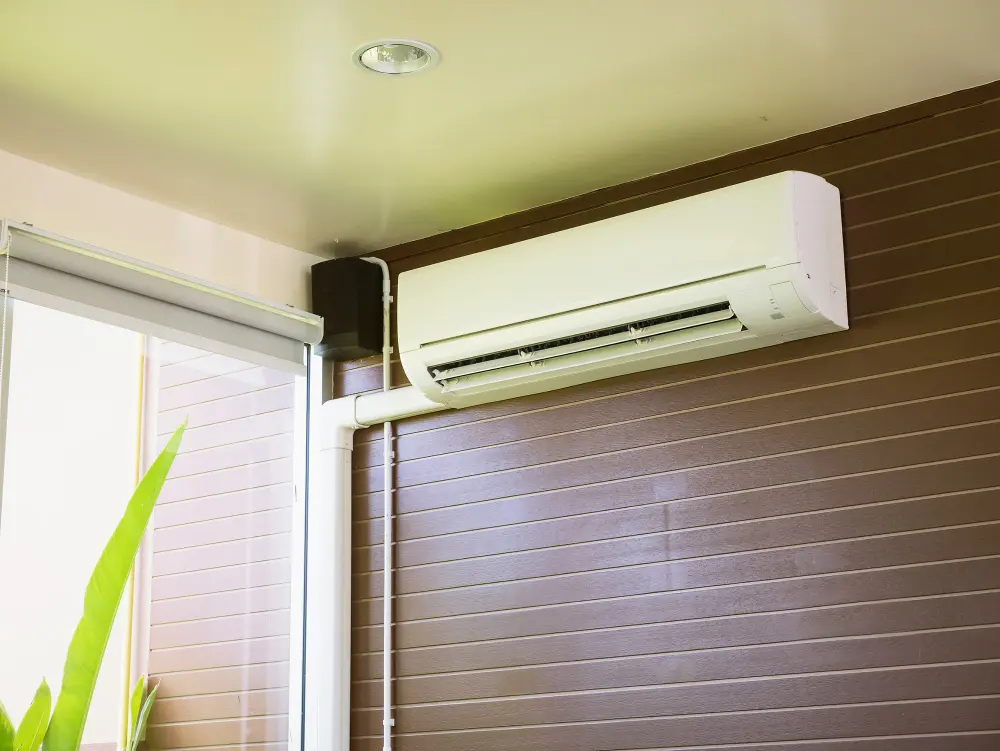
A split system can be a practical option where one main room requires heating and cooling.
It consists of an indoor unit connected to an outdoor unit and may provide targeted temperature control without requiring ductwork throughout the building.
For a small office, shop or consultation room, this can be a straightforward approach.
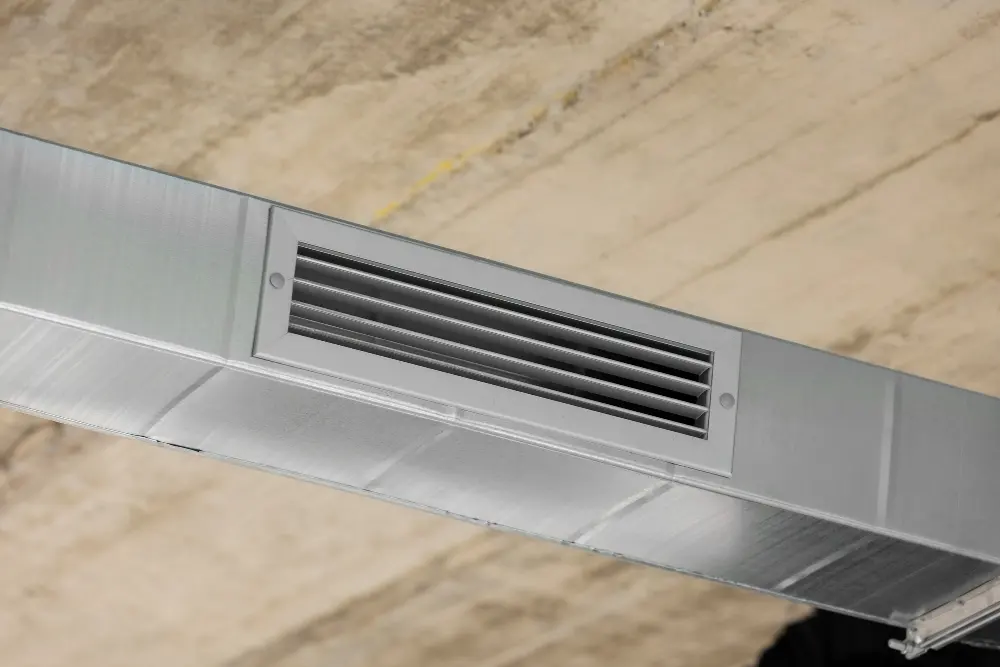
However, if several separate rooms need independent temperature control, installing multiple split systems may become more complicated. A multi-split or ducted system could potentially offer a more integrated solution.
The best option depends on the property and its usage rather than simply the number on the initial quotation.
What is included in the installation price?
Businesses should check exactly what an installation quotation covers.
Depending on the project, the price may include:
However, not every quotation will include the same work.
Additional costs can arise where unusual access, longer pipe runs, electrical upgrades, specialist equipment or building alterations are required.
This is why businesses should avoid comparing quotations solely on the headline price.
What type of property do you have?


Semi-Detached

Detached

Terraced

Bungalow

Flat

Commercial or Small Office
It just takes 60 Seconds
And then you can book a free consultation
How does accessibility affect the cost?
Access can have a significant impact on labour requirements.
An outdoor unit located somewhere easily reached from ground level may be straightforward to install and maintain. A unit requiring difficult access may need additional equipment, planning or labour.
The same applies to indoor installation. If walls, ceilings or service routes are difficult to access, installation may take longer.
Before accepting a quotation, ask whether the installer has identified any access issues and whether additional access equipment is included in the price.
When considering ac installation cost Eltham businesses should therefore take the property’s physical characteristics into account.
Does the number of rooms affect the price?
Yes. A business with one main room may need only one indoor unit, while a property with several rooms may require multiple indoor units or a ducted arrangement.
More indoor units generally mean additional installation work, controls, pipework and drainage considerations.
However, the most suitable approach is not always the one with the fewest units. Trying to condition several enclosed rooms from one unit can result in poor temperature distribution.
The system should be designed around how the rooms are actually used.
What about heating?
Many modern air conditioning systems can provide both heating and cooling.
This can add year-round value to the installation because the system may be useful during both warmer and colder periods.
Businesses should consider how air conditioning would work alongside their existing heating. In some cases, it may provide the main source of heating for certain areas. In others, it may complement an existing system.
If heating is required, ask the installer to include it in the assessment rather than treating cooling as the only requirement.
JK Cooling Solutions can help you assess whether a heating and cooling system would suit your business premises. Speak to our team about your expected usage and existing heating arrangements before choosing equipment.
Do running costs matter as much as installation cost?
They can matter considerably, particularly for businesses that operate air conditioning for many hours each week.
Running costs depend on equipment efficiency, operating hours, temperature settings, building characteristics and maintenance.
A system that costs slightly more to install may offer advantages in efficiency or functionality, but this should be assessed over the expected lifespan of the equipment rather than assumed.
Simple operating habits can also help:
Businesses should consider both the initial investment and likely ongoing use.
How much does installation complexity matter?
Two businesses with similar floor areas can receive very different quotations because their buildings present different installation challenges.
Complexity can increase where there are:
- Long distances between indoor and outdoor units
- Difficult wall construction
- Restricted ceiling access
- Multiple rooms
- Complicated drainage requirements
- Limited outdoor space
- Additional electrical requirements
A detailed site survey can identify these issues before the final quotation is agreed.
This makes it easier to understand why one installation may cost more than another even when the systems appear similar.
Can a business save money by choosing a smaller system?
Choosing a smaller system simply to reduce the purchase price is not necessarily a sensible saving.
If the system does not have enough capacity for the room, it may struggle during periods of high heat and run for extended periods.
The objective should be appropriate sizing rather than choosing the smallest available unit.
Similarly, choosing a much larger system does not automatically improve efficiency. Correct sizing is the important factor.
How should businesses compare quotations?
When comparing commercial air conditioning quotations, look beyond the total price.
Check whether each proposal covers:
- The same type of system
- Comparable equipment capacity
- Similar numbers of indoor units
- Equivalent installation work
- Pipework and drainage
- Electrical requirements
- Controls
- Commissioning
- Warranty arrangements
- Any ongoing maintenance options
This creates a more meaningful comparison.
A quotation that initially appears more expensive may include work that another provider has excluded.
A typical small business example
Consider a small Eltham office with one open-plan room and a separate meeting room. The main workspace contains several computers and receives strong afternoon sunlight.
A basic single-unit proposal may initially appear attractive. However, the meeting room may require separate control, particularly if it is occupied at different times from the main office.
The business could therefore compare a single split system, a multi-split arrangement or another configuration based on actual usage.
The right decision would depend on the property assessment, but the example demonstrates why price should be considered alongside functionality.
What should you ask about future maintenance?
Maintenance is an important part of the total ownership cost.
Ask how often the equipment should be serviced, which components require regular attention and whether the installer provides ongoing maintenance services.
A well-maintained system can be easier to keep operating effectively and may help identify developing faults before they cause a larger disruption.
Businesses should also know who to contact if the system develops a fault.
Related articles

What type of property do you have?
Semi-Detached
Detached
Terraced
Bungalow
Flat
Commercial or Small Office
At a glance
For a small business, installing air conditioning is an investment that needs to make practical and financial sense. A shop, office, clinic or studio may benefit considerably from better temperature control, but the likely cost can vary widely from one property to another.
There is no single figure that applies to every commercial installation. Equipment capacity, the number of rooms, installation access, pipework, electrical requirements and the way the system will be used can all influence the overall price.
If you are researching air con cost Eltham businesses may face, understanding these factors can help you make a more informed decision and compare quotations on a like-for-like basis.
What determines the cost of commercial air conditioning?
The final installation price depends on the requirements of the individual premises.
A basic single-room installation is very different from a multi-room system requiring several indoor units, extensive pipework or additional electrical work.
The main factors can include:
The equipment itself is only one part of the overall project.
If you are planning air conditioning for your business, JK Cooling Solutions can assess your premises and explain the factors affecting the installation. Contact our team for a tailored quotation based on your actual requirements.
Does the size of the premises make a big difference?
Property size is important, but it does not tell the whole story.
A larger room generally requires greater cooling capacity, but two rooms of the same size can have very different requirements. One may have large south-facing windows and several computers, while the other may have little glazing and low occupancy.
Installers may therefore consider:
| Factor | Why it affects cost |
| Floor area | Influences required system capacity |
| Ceiling height | Changes the volume of air to condition |
| Windows | Can increase heat entering the room |
| Occupancy | People add heat to the space |
| Equipment | Computers and machinery can generate heat |
| Sunlight | Can increase cooling demand |
| Insulation | Affects temperature stability |
| Opening hours | Influences expected system usage |
A proper assessment helps establish the equipment capacity needed rather than relying on floor area alone.
Are split systems cheaper for small businesses?
A split system can be a practical option where one main room requires heating and cooling.
It consists of an indoor unit connected to an outdoor unit and may provide targeted temperature control without requiring ductwork throughout the building.
For a small office, shop or consultation room, this can be a straightforward approach.
However, if several separate rooms need independent temperature control, installing multiple split systems may become more complicated. A multi-split or ducted system could potentially offer a more integrated solution.
The best option depends on the property and its usage rather than simply the number on the initial quotation.
What is included in the installation price?
Businesses should check exactly what an installation quotation covers.
Depending on the project, the price may include:
However, not every quotation will include the same work.
Additional costs can arise where unusual access, longer pipe runs, electrical upgrades, specialist equipment or building alterations are required.
This is why businesses should avoid comparing quotations solely on the headline price.
What type of property do you have?
Semi-Detached
Detached
Terraced
Bungalow
Flat
Commercial or Small Office
It just takes 60 Seconds
And then you can book a free consultation
How does accessibility affect the cost?
Access can have a significant impact on labour requirements.
An outdoor unit located somewhere easily reached from ground level may be straightforward to install and maintain. A unit requiring difficult access may need additional equipment, planning or labour.
The same applies to indoor installation. If walls, ceilings or service routes are difficult to access, installation may take longer.
Before accepting a quotation, ask whether the installer has identified any access issues and whether additional access equipment is included in the price.
When considering ac installation cost Eltham businesses should therefore take the property’s physical characteristics into account.
Does the number of rooms affect the price?
Yes. A business with one main room may need only one indoor unit, while a property with several rooms may require multiple indoor units or a ducted arrangement.
More indoor units generally mean additional installation work, controls, pipework and drainage considerations.
However, the most suitable approach is not always the one with the fewest units. Trying to condition several enclosed rooms from one unit can result in poor temperature distribution.
The system should be designed around how the rooms are actually used.
What about heating?
Many modern air conditioning systems can provide both heating and cooling.
This can add year-round value to the installation because the system may be useful during both warmer and colder periods.
Businesses should consider how air conditioning would work alongside their existing heating. In some cases, it may provide the main source of heating for certain areas. In others, it may complement an existing system.
If heating is required, ask the installer to include it in the assessment rather than treating cooling as the only requirement.
JK Cooling Solutions can help you assess whether a heating and cooling system would suit your business premises. Speak to our team about your expected usage and existing heating arrangements before choosing equipment.
Do running costs matter as much as installation cost?
They can matter considerably, particularly for businesses that operate air conditioning for many hours each week.
Running costs depend on equipment efficiency, operating hours, temperature settings, building characteristics and maintenance.
A system that costs slightly more to install may offer advantages in efficiency or functionality, but this should be assessed over the expected lifespan of the equipment rather than assumed.
Simple operating habits can also help:
Businesses should consider both the initial investment and likely ongoing use.
How much does installation complexity matter?
Two businesses with similar floor areas can receive very different quotations because their buildings present different installation challenges.
Complexity can increase where there are:
- Long distances between indoor and outdoor units
- Difficult wall construction
- Restricted ceiling access
- Multiple rooms
- Complicated drainage requirements
- Limited outdoor space
- Additional electrical requirements
A detailed site survey can identify these issues before the final quotation is agreed.
This makes it easier to understand why one installation may cost more than another even when the systems appear similar.
Can a business save money by choosing a smaller system?
Choosing a smaller system simply to reduce the purchase price is not necessarily a sensible saving.
If the system does not have enough capacity for the room, it may struggle during periods of high heat and run for extended periods.
The objective should be appropriate sizing rather than choosing the smallest available unit.
Similarly, choosing a much larger system does not automatically improve efficiency. Correct sizing is the important factor.
How should businesses compare quotations?
When comparing commercial air conditioning quotations, look beyond the total price.
Check whether each proposal covers:
- The same type of system
- Comparable equipment capacity
- Similar numbers of indoor units
- Equivalent installation work
- Pipework and drainage
- Electrical requirements
- Controls
- Commissioning
- Warranty arrangements
- Any ongoing maintenance options
This creates a more meaningful comparison.
A quotation that initially appears more expensive may include work that another provider has excluded.
A typical small business example
Consider a small Eltham office with one open-plan room and a separate meeting room. The main workspace contains several computers and receives strong afternoon sunlight.
A basic single-unit proposal may initially appear attractive. However, the meeting room may require separate control, particularly if it is occupied at different times from the main office.
The business could therefore compare a single split system, a multi-split arrangement or another configuration based on actual usage.
The right decision would depend on the property assessment, but the example demonstrates why price should be considered alongside functionality.
What should you ask about future maintenance?
Maintenance is an important part of the total ownership cost.
Ask how often the equipment should be serviced, which components require regular attention and whether the installer provides ongoing maintenance services.
A well-maintained system can be easier to keep operating effectively and may help identify developing faults before they cause a larger disruption.
Businesses should also know who to contact if the system develops a fault.
Related articles
What type of property do you have?
Semi-Detached
Detached
Terraced
Bungalow
Flat
Commercial or Small Office