Wall Mounted vs Split Systems for Energy Efficiency in Eltham
At a glance Choosing the right air conditioning setup is not just about cooling power. For homeowners in Eltham, energy efficiency and long-term running costs are just as important as comfort. Two of the most common options are wall mounted systems and split systems. While they are closely related, they are not always identical in…

Why you can trust our content
Our team is fully trained, qualified and highly experienced in the air conditioning industry.


At a glance
Choosing the right air conditioning setup is not just about cooling power. For homeowners in Eltham, energy efficiency and long-term running costs are just as important as comfort.
Two of the most common options are wall mounted systems and split systems. While they are closely related, they are not always identical in design or application. Understanding the differences helps you make a more informed decision before committing to installation.
If you are weighing up system types for your property, this guide explains how each performs and which may deliver better efficiency over time.
What is a wall mounted air conditioning unit?
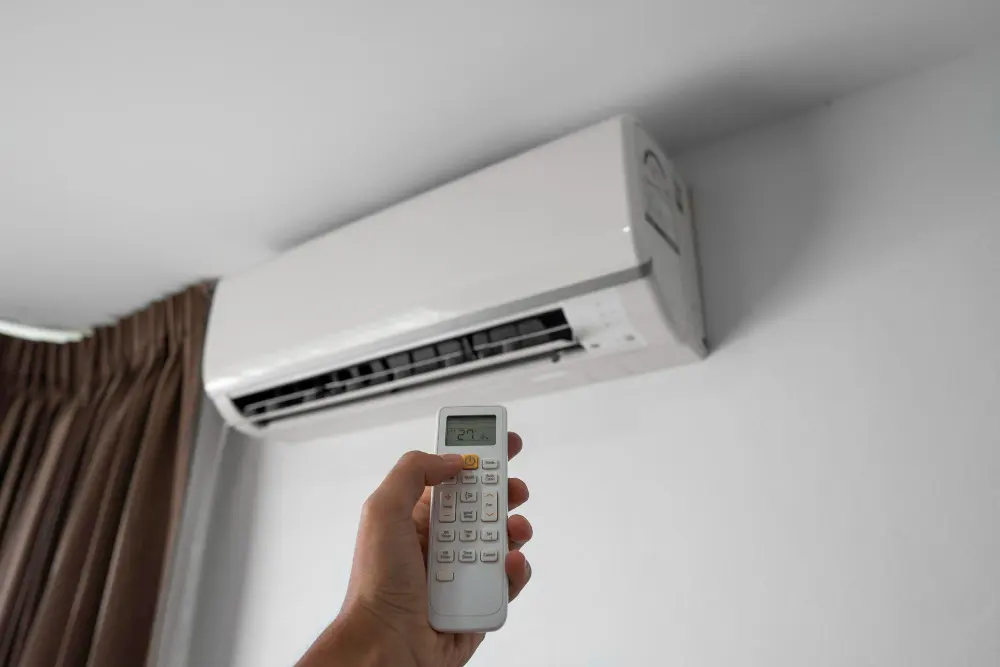
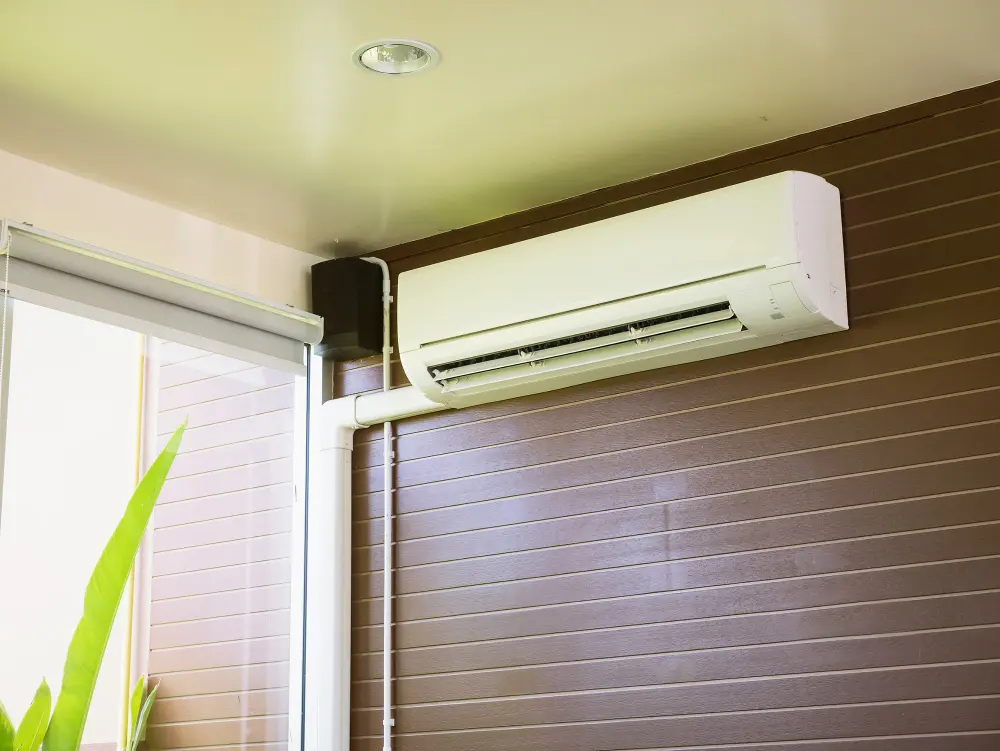
A wall mounted air conditioning unit is a type of split system where the indoor component is fixed high on an internal wall and connected to an outdoor condenser.
It is one of the most common residential cooling solutions across Eltham because it is:
Most models include inverter technology, allowing the compressor to adjust its output gradually. This helps maintain stable temperatures and reduces unnecessary energy spikes.
How does a split system differ?
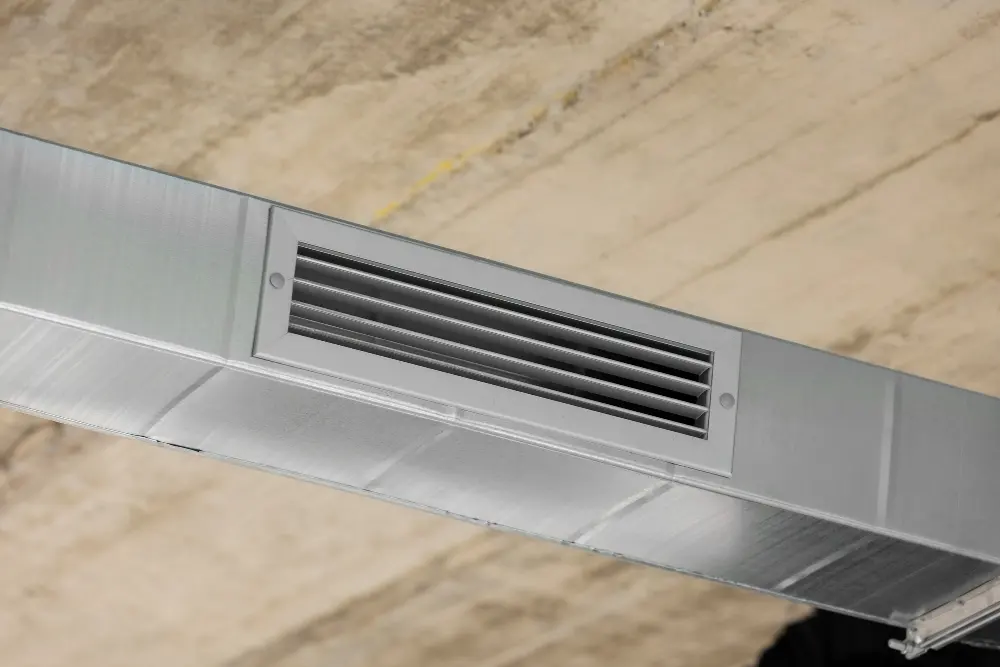
A split system refers to any system with separate indoor and outdoor units. Wall mounted models fall within this category, but split systems can also include:
The key feature is that the noisy compressor sits outside the property, keeping indoor operation quieter and more efficient.
When selecting a solution, many homeowners consult an experienced air con split system installer eltham residents trust to ensure proper sizing and placement.
Which option is more energy efficient?
Efficiency depends less on the shape of the unit and more on design and installation quality.
However, there are practical differences.
Single-room wall mounted systems
These are highly efficient when cooling one primary living space or bedroom. Because they focus on a contained area, they avoid wasting energy on unused rooms.
Multi-room split systems
Multi-split systems can serve several rooms from one outdoor unit. When correctly zoned, they allow selective cooling, which can improve efficiency compared to running multiple independent units.
In both cases, inverter technology is the key factor. Systems without variable speed compressors consume more electricity and create temperature fluctuations.
A well-installed wall mounted air conditioning unit can be extremely economical for targeted cooling.
What factors influence real-world performance?
Efficiency ratings provide guidance, but practical performance depends on:
For example, a south-facing living room with large glazing may require a slightly higher capacity unit to maintain efficiency.
This is why working with an experienced air con split system installer eltham homeowners rely on is essential. Proper assessment prevents oversizing or undersizing, both of which increase energy use.
Comparing energy use and running costs
Below is a general comparison of typical residential installations:
| Feature | Wall Mounted System | Multi-Split System |
| Best For | Single room | Multiple rooms |
| Installation Complexity | Lower | Moderate |
| Zoning Capability | Limited | High |
| Upfront Cost | Lower | Higher |
| Energy Efficiency | High when sized correctly | Very high when zoned properly |
If you primarily need cooling in one or two key areas, a single wall mounted air conditioning unit may offer the most cost-effective solution.
For whole-home coverage with selective room control, a multi-split configuration may deliver better long-term value.
Is installation complexity different?
Yes, and this can influence both efficiency and cost.
A standard wall mounted air conditioning unit typically involves:
Multi-split systems require additional pipework runs and careful planning to ensure balanced performance across rooms.
Poor installation can result in refrigerant issues, airflow restrictions or uneven cooling. This directly impacts energy efficiency and system lifespan.
Professional planning ensures optimal positioning and safe connections.
Case example: A terraced property in Eltham
A homeowner in a two-bedroom terraced house wanted improved summer comfort without increasing electricity bills significantly.
After assessment, a single wall mounted air conditioning unit was installed in the main living area. Bedrooms were left uncooled initially, as they remained relatively comfortable overnight.
Results included:
In contrast, a larger detached home nearby required a multi-split system to manage temperature variations between floors.
Both solutions were efficient because they were designed specifically for the property.
Do split systems provide heating as well?
Most modern split systems function as heat pumps.
This means they can provide both cooling and heating, offering year-round climate control.
During spring and autumn, homeowners often use heating mode instead of turning on central heating. This targeted warmth can reduce overall energy consumption, particularly in properties where full heating is unnecessary.
Whether choosing a single or multi-room setup, discussing your seasonal needs with an air con split system installer eltham households trust ensures balanced performance.
How can you maximise efficiency after installation?
Regardless of system type, daily operation affects running costs.
Practical steps include:
Routine servicing keeps airflow unrestricted and ensures refrigerant levels remain correct.
What type of property do you have?


Semi-Detached

Detached

Terraced

Bungalow

Flat

Commercial or Small Office
It just takes 60 Seconds
And then you can book a free consultation
Are wall mounted systems suitable for all properties?
They are suitable for most residential homes in Eltham, including:
However, aesthetics and wall space should be considered. Some homeowners prefer alternative indoor unit styles where visual impact is a concern.
An in-person survey helps determine whether a wall mounted air conditioning unit or another split configuration best matches your space.
When should you choose a multi-split system instead?
A multi-split system may be preferable when:
While the upfront cost is higher, zoning flexibility can improve long-term efficiency by cooling only occupied areas.
For larger homes across Greater London, this balance often makes multi-split systems a strong investment.
Making the right choice for your Eltham home
Both wall mounted and split systems offer strong energy performance when correctly installed. The decision depends on property size, usage patterns and comfort expectations.
A single wall mounted air conditioning unit may be ideal for focused cooling in smaller homes. Larger properties may benefit from the flexibility of a multi-split configuration.
Efficiency is achieved through thoughtful system design, professional installation and ongoing maintenance.
Related articles



What type of property do you have?
Semi-Detached
Detached
Terraced
Bungalow
Flat
Commercial or Small Office
At a glance
Choosing the right air conditioning setup is not just about cooling power. For homeowners in Eltham, energy efficiency and long-term running costs are just as important as comfort.
Two of the most common options are wall mounted systems and split systems. While they are closely related, they are not always identical in design or application. Understanding the differences helps you make a more informed decision before committing to installation.
If you are weighing up system types for your property, this guide explains how each performs and which may deliver better efficiency over time.
What is a wall mounted air conditioning unit?
A wall mounted air conditioning unit is a type of split system where the indoor component is fixed high on an internal wall and connected to an outdoor condenser.
It is one of the most common residential cooling solutions across Eltham because it is:
Most models include inverter technology, allowing the compressor to adjust its output gradually. This helps maintain stable temperatures and reduces unnecessary energy spikes.
How does a split system differ?
A split system refers to any system with separate indoor and outdoor units. Wall mounted models fall within this category, but split systems can also include:
The key feature is that the noisy compressor sits outside the property, keeping indoor operation quieter and more efficient.
When selecting a solution, many homeowners consult an experienced air con split system installer eltham residents trust to ensure proper sizing and placement.
Which option is more energy efficient?
Efficiency depends less on the shape of the unit and more on design and installation quality.
However, there are practical differences.
Single-room wall mounted systems
These are highly efficient when cooling one primary living space or bedroom. Because they focus on a contained area, they avoid wasting energy on unused rooms.
Multi-room split systems
Multi-split systems can serve several rooms from one outdoor unit. When correctly zoned, they allow selective cooling, which can improve efficiency compared to running multiple independent units.
In both cases, inverter technology is the key factor. Systems without variable speed compressors consume more electricity and create temperature fluctuations.
A well-installed wall mounted air conditioning unit can be extremely economical for targeted cooling.
What factors influence real-world performance?
Efficiency ratings provide guidance, but practical performance depends on:
For example, a south-facing living room with large glazing may require a slightly higher capacity unit to maintain efficiency.
This is why working with an experienced air con split system installer eltham homeowners rely on is essential. Proper assessment prevents oversizing or undersizing, both of which increase energy use.
Comparing energy use and running costs
Below is a general comparison of typical residential installations:
| Feature | Wall Mounted System | Multi-Split System |
| Best For | Single room | Multiple rooms |
| Installation Complexity | Lower | Moderate |
| Zoning Capability | Limited | High |
| Upfront Cost | Lower | Higher |
| Energy Efficiency | High when sized correctly | Very high when zoned properly |
If you primarily need cooling in one or two key areas, a single wall mounted air conditioning unit may offer the most cost-effective solution.
For whole-home coverage with selective room control, a multi-split configuration may deliver better long-term value.
Is installation complexity different?
Yes, and this can influence both efficiency and cost.
A standard wall mounted air conditioning unit typically involves:
Multi-split systems require additional pipework runs and careful planning to ensure balanced performance across rooms.
Poor installation can result in refrigerant issues, airflow restrictions or uneven cooling. This directly impacts energy efficiency and system lifespan.
Professional planning ensures optimal positioning and safe connections.
Case example: A terraced property in Eltham
A homeowner in a two-bedroom terraced house wanted improved summer comfort without increasing electricity bills significantly.
After assessment, a single wall mounted air conditioning unit was installed in the main living area. Bedrooms were left uncooled initially, as they remained relatively comfortable overnight.
Results included:
In contrast, a larger detached home nearby required a multi-split system to manage temperature variations between floors.
Both solutions were efficient because they were designed specifically for the property.
Do split systems provide heating as well?
Most modern split systems function as heat pumps.
This means they can provide both cooling and heating, offering year-round climate control.
During spring and autumn, homeowners often use heating mode instead of turning on central heating. This targeted warmth can reduce overall energy consumption, particularly in properties where full heating is unnecessary.
Whether choosing a single or multi-room setup, discussing your seasonal needs with an air con split system installer eltham households trust ensures balanced performance.
How can you maximise efficiency after installation?
Regardless of system type, daily operation affects running costs.
Practical steps include:
Routine servicing keeps airflow unrestricted and ensures refrigerant levels remain correct.
What type of property do you have?
Semi-Detached
Detached
Terraced
Bungalow
Flat
Commercial or Small Office
It just takes 60 Seconds
And then you can book a free consultation
Are wall mounted systems suitable for all properties?
They are suitable for most residential homes in Eltham, including:
However, aesthetics and wall space should be considered. Some homeowners prefer alternative indoor unit styles where visual impact is a concern.
An in-person survey helps determine whether a wall mounted air conditioning unit or another split configuration best matches your space.
When should you choose a multi-split system instead?
A multi-split system may be preferable when:
While the upfront cost is higher, zoning flexibility can improve long-term efficiency by cooling only occupied areas.
For larger homes across Greater London, this balance often makes multi-split systems a strong investment.
Making the right choice for your Eltham home
Both wall mounted and split systems offer strong energy performance when correctly installed. The decision depends on property size, usage patterns and comfort expectations.
A single wall mounted air conditioning unit may be ideal for focused cooling in smaller homes. Larger properties may benefit from the flexibility of a multi-split configuration.
Efficiency is achieved through thoughtful system design, professional installation and ongoing maintenance.
Related articles
What type of property do you have?
Semi-Detached
Detached
Terraced
Bungalow
Flat
Commercial or Small Office