Emergency Air Con Cost in Rental Properties
At a glance When air conditioning fails in a rental property, the situation can quickly become urgent. Tenants may be left without cooling during hot weather or without heating if the system operates as a heat pump. For landlords and property managers, fast action is essential. Understanding the likely emergency air con cost helps you…

Why you can trust our content
Our team is fully trained, qualified and highly experienced in the air conditioning industry.

At a glance
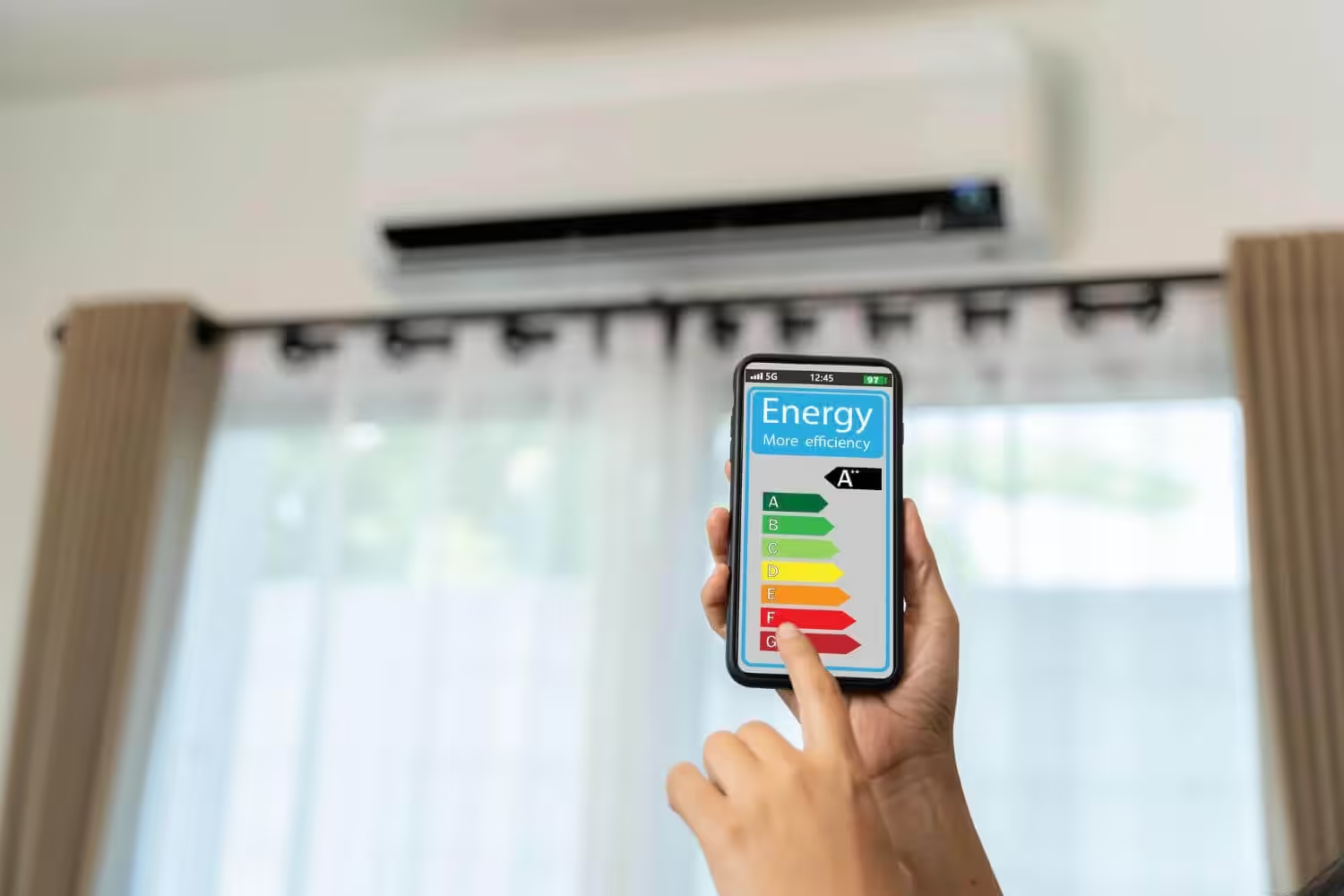
When air conditioning fails in a rental property, the situation can quickly become urgent. Tenants may be left without cooling during hot weather or without heating if the system operates as a heat pump. For landlords and property managers, fast action is essential.
Understanding the likely emergency air con cost helps you plan ahead and respond efficiently when issues arise. While emergency work can be more expensive than scheduled repairs, proactive maintenance and choosing the right contractor can help manage risk.
Why are emergency callouts more expensive?
Emergency visits typically cost more than planned appointments. This is due to several factors:
The emergency air con cost often reflects the need for quick mobilisation rather than just the repair itself.
For landlords, balancing speed with value is important. Working with a trusted provider in advance can reduce uncertainty when problems arise.
What common issues lead to urgent repairs?
In rental properties, the most frequent causes of emergency callouts include:
Some of these issues may develop gradually, while others occur suddenly. Routine servicing can reduce the likelihood of unexpected breakdowns.
How much is the emergency air con cost likely to be?
Costs vary depending on timing, fault type and required parts.
Below is a general overview:
| Type of Issue | Typical Urgency Level | Relative Cost Impact |
| Minor electrical reset | Moderate | Lower |
| Refrigerant leak repair | High | Medium |
| Compressor replacement | High | Higher |
| Full system replacement | Critical | Highest |
The emergency air con cost increases if specialist components are required or if work takes place outside normal hours.
Clear communication with tenants and early reporting of faults can prevent small issues from escalating into costly emergencies.
Are landlords legally required to act quickly?
Landlords have a duty to maintain heating systems and ensure properties are safe and habitable. If air conditioning is the primary heating source, prompt repair becomes particularly important.
While cooling alone may not always be legally mandated, excessive indoor temperatures can affect tenant well-being. Acting quickly demonstrates responsible property management.
Working with a reliable air con installation company ensures you have access to professional support when needed.
Should rental systems be repaired or replaced?
In some cases, emergency repair is not the most cost-effective long-term option.
Consider replacement if:
A trusted air con installation company can advise whether a temporary repair or full replacement is more practical.
What type of property do you have?


Semi-Detached

Detached

Terraced

Bungalow

Flat

Commercial or Small Office
It just takes 60 Seconds
And then you can book a free consultation
How can landlords reduce emergency risks?
Preventative strategies help control unexpected repair costs.
1. Annual servicing
Routine inspections identify worn components before failure occurs.
2. Tenant guidance
Encourage tenants to report unusual noises, leaks or reduced performance promptly.
3. Clear maintenance records
Keep documentation of servicing and previous repairs.
4. Quality installation
Systems installed correctly from the outset are less likely to experience avoidable breakdowns.
Proactive management reduces the likelihood of high emergency air con cost scenarios.
What happens during an emergency callout?
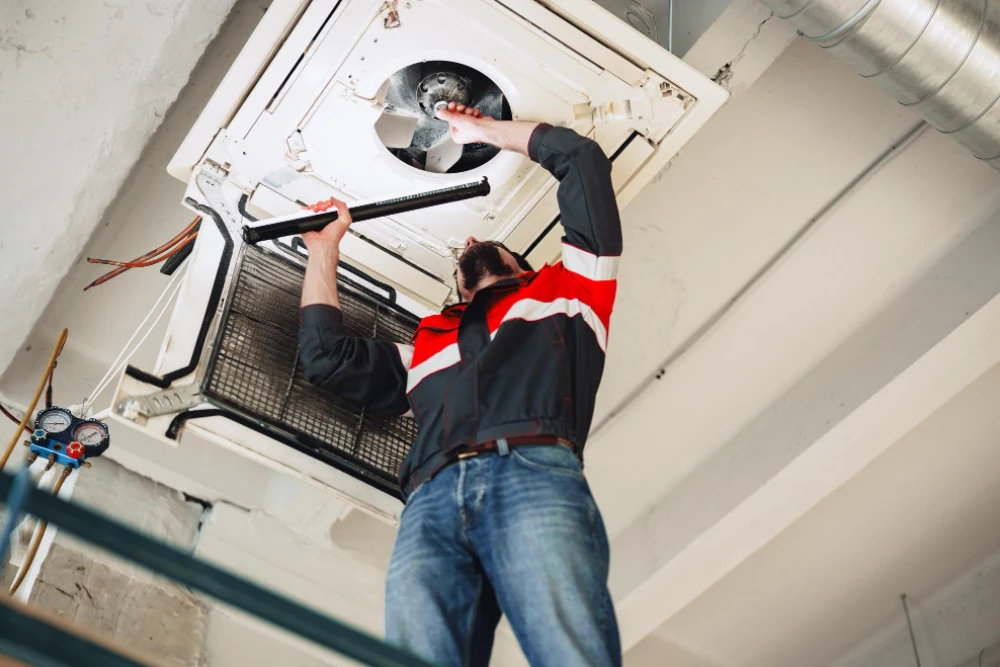
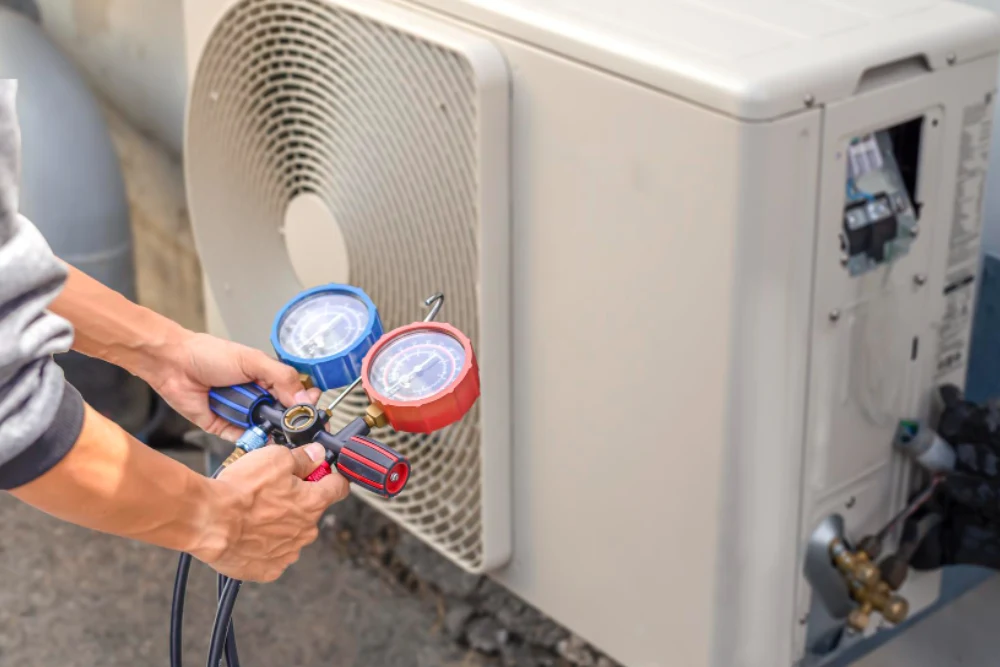
A typical emergency visit involves:
Where parts are unavailable immediately, temporary measures may be implemented to restore partial operation.
Clear reporting allows landlords to document actions taken and communicate transparently with tenants.
Example: Rental flat system failure
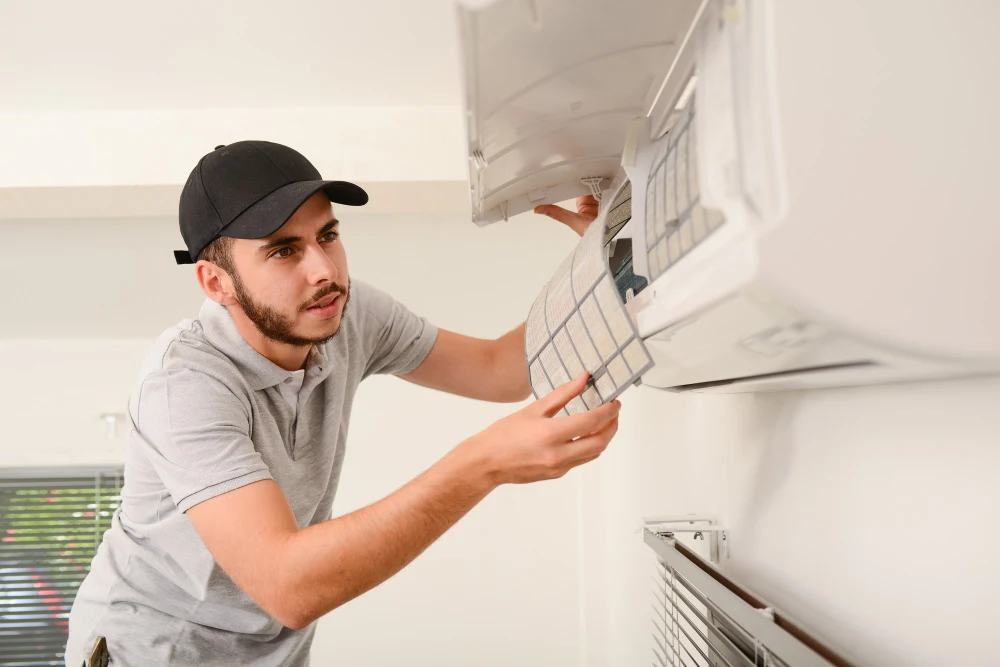
A landlord managing a two-bedroom rental flat experienced a sudden cooling failure during a summer heatwave. The tenant reported warm air blowing from the unit.
An engineer attended promptly, identified a refrigerant leak and carried out repairs the same day. Because the system had been regularly serviced, the issue was caught before major compressor damage occurred.
Although the emergency air con cost was higher than a routine visit, preventative servicing prevented a more expensive system replacement.
Does insurance cover emergency repairs?
Some landlord insurance policies may include mechanical breakdown cover, though this varies. It is advisable to check policy terms in advance rather than during an emergency situation.
Having a relationship with a reliable contractor ensures quicker response times regardless of insurance arrangements.
How quickly should tenants report faults?
Tenants should report issues as soon as they notice:
Early reporting allows minor issues to be addressed before escalating into more serious and costly faults.
Clear communication channels between the tenant, the landlord and the contractor are essential.
Unexpected breakdowns in rental homes can be stressful for both tenants and landlords. Understanding the likely emergency air con cost helps you prepare financially and respond responsibly.
Regular maintenance, prompt reporting and working with experienced professionals reduce disruption and long-term expense.
Related articles

What type of property do you have?
Semi-Detached
Detached
Terraced
Bungalow
Flat
Commercial or Small Office
At a glance
When air conditioning fails in a rental property, the situation can quickly become urgent. Tenants may be left without cooling during hot weather or without heating if the system operates as a heat pump. For landlords and property managers, fast action is essential.
Understanding the likely emergency air con cost helps you plan ahead and respond efficiently when issues arise. While emergency work can be more expensive than scheduled repairs, proactive maintenance and choosing the right contractor can help manage risk.
Why are emergency callouts more expensive?
Emergency visits typically cost more than planned appointments. This is due to several factors:
The emergency air con cost often reflects the need for quick mobilisation rather than just the repair itself.
For landlords, balancing speed with value is important. Working with a trusted provider in advance can reduce uncertainty when problems arise.
What common issues lead to urgent repairs?
In rental properties, the most frequent causes of emergency callouts include:
Some of these issues may develop gradually, while others occur suddenly. Routine servicing can reduce the likelihood of unexpected breakdowns.
How much is the emergency air con cost likely to be?
Costs vary depending on timing, fault type and required parts.
Below is a general overview:
| Type of Issue | Typical Urgency Level | Relative Cost Impact |
| Minor electrical reset | Moderate | Lower |
| Refrigerant leak repair | High | Medium |
| Compressor replacement | High | Higher |
| Full system replacement | Critical | Highest |
The emergency air con cost increases if specialist components are required or if work takes place outside normal hours.
Clear communication with tenants and early reporting of faults can prevent small issues from escalating into costly emergencies.
Are landlords legally required to act quickly?
Landlords have a duty to maintain heating systems and ensure properties are safe and habitable. If air conditioning is the primary heating source, prompt repair becomes particularly important.
While cooling alone may not always be legally mandated, excessive indoor temperatures can affect tenant well-being. Acting quickly demonstrates responsible property management.
Working with a reliable air con installation company ensures you have access to professional support when needed.
Should rental systems be repaired or replaced?
In some cases, emergency repair is not the most cost-effective long-term option.
Consider replacement if:
A trusted air con installation company can advise whether a temporary repair or full replacement is more practical.
What type of property do you have?
Semi-Detached
Detached
Terraced
Bungalow
Flat
Commercial or Small Office
It just takes 60 Seconds
And then you can book a free consultation
How can landlords reduce emergency risks?
Preventative strategies help control unexpected repair costs.
1. Annual servicing
Routine inspections identify worn components before failure occurs.
2. Tenant guidance
Encourage tenants to report unusual noises, leaks or reduced performance promptly.
3. Clear maintenance records
Keep documentation of servicing and previous repairs.
4. Quality installation
Systems installed correctly from the outset are less likely to experience avoidable breakdowns.
Proactive management reduces the likelihood of high emergency air con cost scenarios.
What happens during an emergency callout?
A typical emergency visit involves:
Where parts are unavailable immediately, temporary measures may be implemented to restore partial operation.
Clear reporting allows landlords to document actions taken and communicate transparently with tenants.
Example: Rental flat system failure
A landlord managing a two-bedroom rental flat experienced a sudden cooling failure during a summer heatwave. The tenant reported warm air blowing from the unit.
An engineer attended promptly, identified a refrigerant leak and carried out repairs the same day. Because the system had been regularly serviced, the issue was caught before major compressor damage occurred.
Although the emergency air con cost was higher than a routine visit, preventative servicing prevented a more expensive system replacement.
Does insurance cover emergency repairs?
Some landlord insurance policies may include mechanical breakdown cover, though this varies. It is advisable to check policy terms in advance rather than during an emergency situation.
Having a relationship with a reliable contractor ensures quicker response times regardless of insurance arrangements.
How quickly should tenants report faults?
Tenants should report issues as soon as they notice:
Early reporting allows minor issues to be addressed before escalating into more serious and costly faults.
Clear communication channels between the tenant, the landlord and the contractor are essential.
Unexpected breakdowns in rental homes can be stressful for both tenants and landlords. Understanding the likely emergency air con cost helps you prepare financially and respond responsibly.
Regular maintenance, prompt reporting and working with experienced professionals reduce disruption and long-term expense.
Related articles
What type of property do you have?
Semi-Detached
Detached
Terraced
Bungalow
Flat
Commercial or Small Office